
The beauty of this simple principle is that you can adapt it quickly to your activity level and to the weather. Each layer has its own job: the base layer against your skin manages moisture, the insulating layer protects you from the cold and the outer layer keeps wind and rain out. You add layers or drop them as needed.
Simple enough. Still, there is a lot to gain in each individual layer. Here are the tips that will make your next adventure considerably more comfortable.
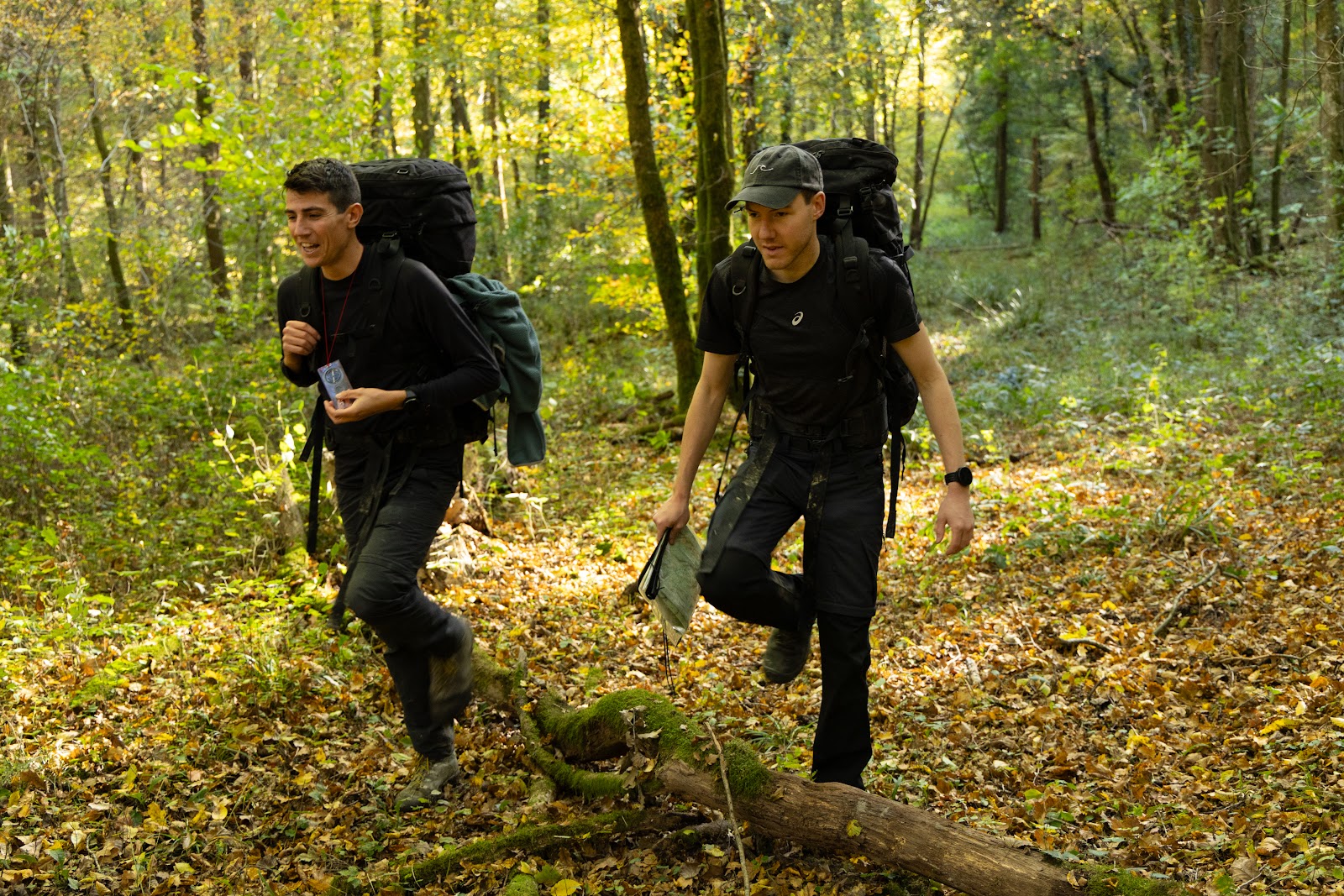
The base layer: moisture management
This is the layer against your skin. It helps regulate your body temperature by moving sweat away from your skin towards the outer layers.
Staying dry keeps you cooler in summer and prevents hypothermia in winter. Anyone who has ever worn a cotton T shirt under a rain jacket on a walk remembers that clammy feeling, even though the rain never touched them.
Cotton holds on to sweat, and that is what makes you cold.
For comfort outdoors, choose a base layer in merino wool, in synthetics such as polyester, or in silk for gentler activity. Rather than absorbing moisture, these fabrics wick sweat away from your skin to the outside, where it can evaporate through your rain jacket. The result: you stay drier even when you sweat, and your shirt dries faster afterwards.
Examples
A base layer can be anything: underwear, a sports bra, a set of long johns, leggings or a T shirt. It can fit tight or loose. For cold conditions, thermal underwear comes in lightweight, midweight and expedition weight. Choose the weight that suits your activity and the temperatures you expect.
The mid layer: insulation
The insulating layer keeps you warm by holding a thin layer of warmed air close to your body.
Natural fibres such as wool and down are excellent insulators. Merino wool jumpers and shirts give soft, reliable warmth and keep insulating even when wet.
For very cold, dry conditions goose down is best. It offers an unbeatable warmth to weight ratio and compresses well. The main drawback is that down has to stay dry to keep insulating.
Classic fleece and other synthetics provide warmth across a wide range of conditions. They are light and breathable and insulate even when wet. They dry faster and have a better warmth to weight ratio than wool. The main downsides of classic fleece are that wind cuts straight through it and that it is bulky, filling your pack faster.
Like thermal underwear, fleece tops come in three weights:
- Lightweight: for high intensity activity or a mild climate
- Midweight: for moderate activity or moderate climates
- Expedition weight: for low activity or cold, wintry climates
Examples
For high output activities such as cross country skiing, cycling or running, choose light fleece to avoid overheating. For cold conditions, go thicker.
Wind fleece adds a high level of wind resistance, thanks to a hidden membrane that does not compromise breathability.
The outer layer: weather protection
The outer layer protects you from wind, rain and snow. These jackets range from expensive mountaineering shells to simple windproof models. Most let at least some sweat through, and nearly all are treated with a water repellent finish so water beads off the fabric.
In bad weather that outer layer is critical, because the moment wind and water reach your inner layers you get cold. Without proper ventilation your sweat cannot evaporate either. It condenses on the inside of your jacket, leaving your base and mid layers wet from your own perspiration anyway.
Pay attention to fit as well. Your outer layer needs to be roomy enough to go over your other layers easily without restricting your movement. A thick fleece under a tight rain jacket is never comfortable. That is why many people buy their rain jacket a size up from usual.
Waterproof and breathable
These are the most functional and, at the same time, the most expensive options. They are best for wet, cool conditions and for mountain activity. Jackets with a laminated membrane deliver the strongest performance.
Water resistant and breathable
These suit light precipitation combined with high activity. They cost less and are usually made from tightly woven fabrics that hold off wind and light rain.
Softshells
These prioritise breathability. Most use stretch fabric or stretch panels for extra comfort during intense activity. Many combine protection and insulation in a single layer, which is handy in cold to mild weather.
Waterproof and non breathable
These budget jackets are ideal for rainy days with little movement. They are usually made of sturdy nylon with a coating that keeps water and wind out completely.
Insulated jackets
Some jackets have insulation built in. That makes them suitable for cold, wet conditions, but less versatile when temperatures swing.
Read next: how do I buy a rain jacket?
One thing to watch
Layering is all about keeping your body temperature comfortable. Try to avoid sweating as much as you can, certainly in colder regions.
Zips help with that. Some jackets even have pit zips, which make a real difference when you want to dump heat without stopping.