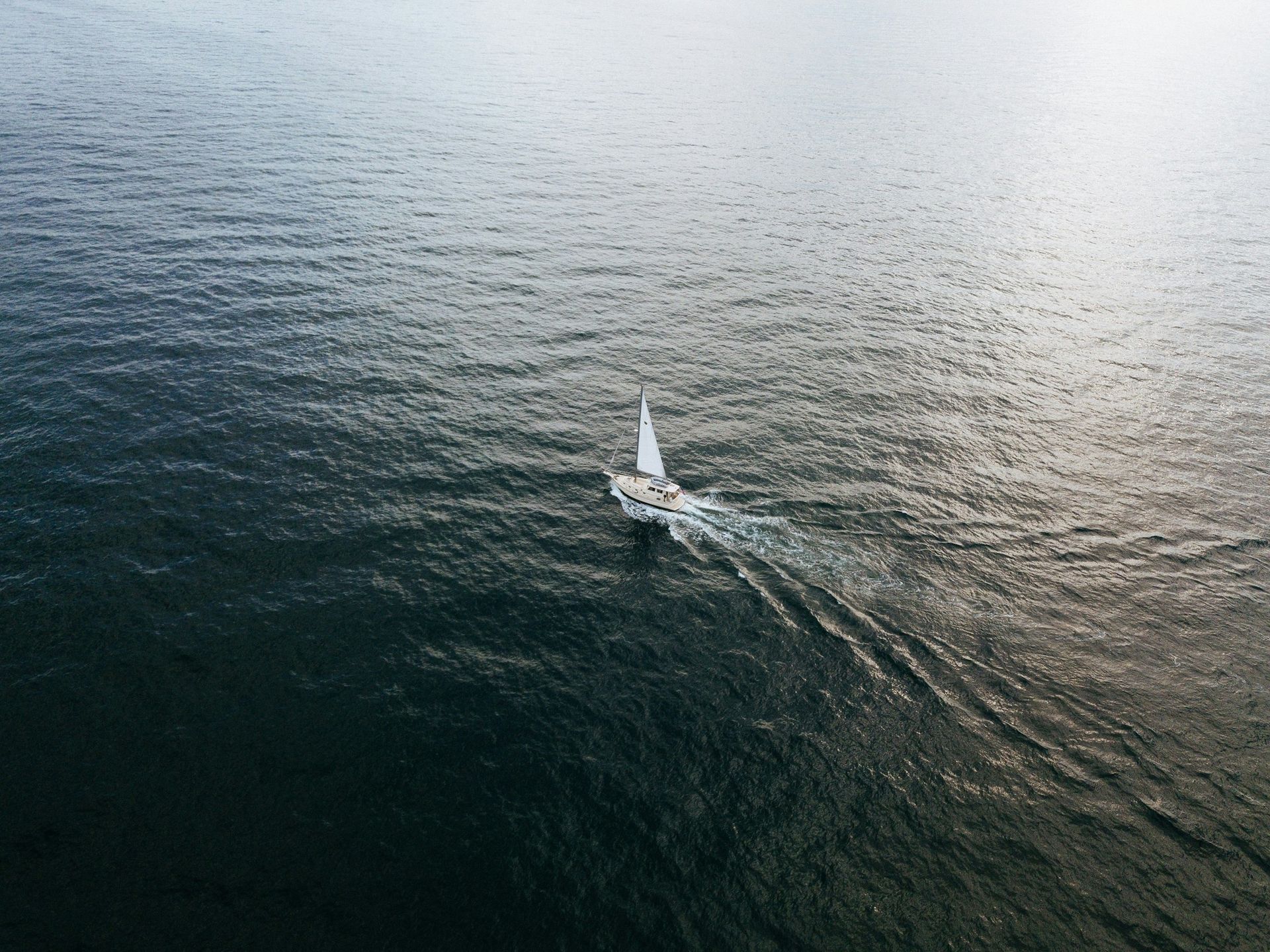

Whoever sails across the Atlantic sees no land for about three weeks. Between Gran Canaria and the Caribbean lie some 2,700 nautical miles of open water. There is no harbour on the way, no signal and no shop. Whatever you need is on board when you leave.
At Element X this is the Atlantic Crossing: a sailing expedition from Las Palmas on Gran Canaria to Rodney Bay on Saint Lucia, with at most eight participants. In this article you read how the route runs, how the watch system works, why you leave in November and what the crossing asks of you.
The route: from Gran Canaria to Saint Lucia
The expedition starts in the harbour of Las Palmas, where the yacht lies. There we load food and drinking water for three weeks, go through the safety equipment and set up the watch teams. Then we cast off. A few hours later Gran Canaria sinks below the horizon, and then there is no more land until the Caribbean.
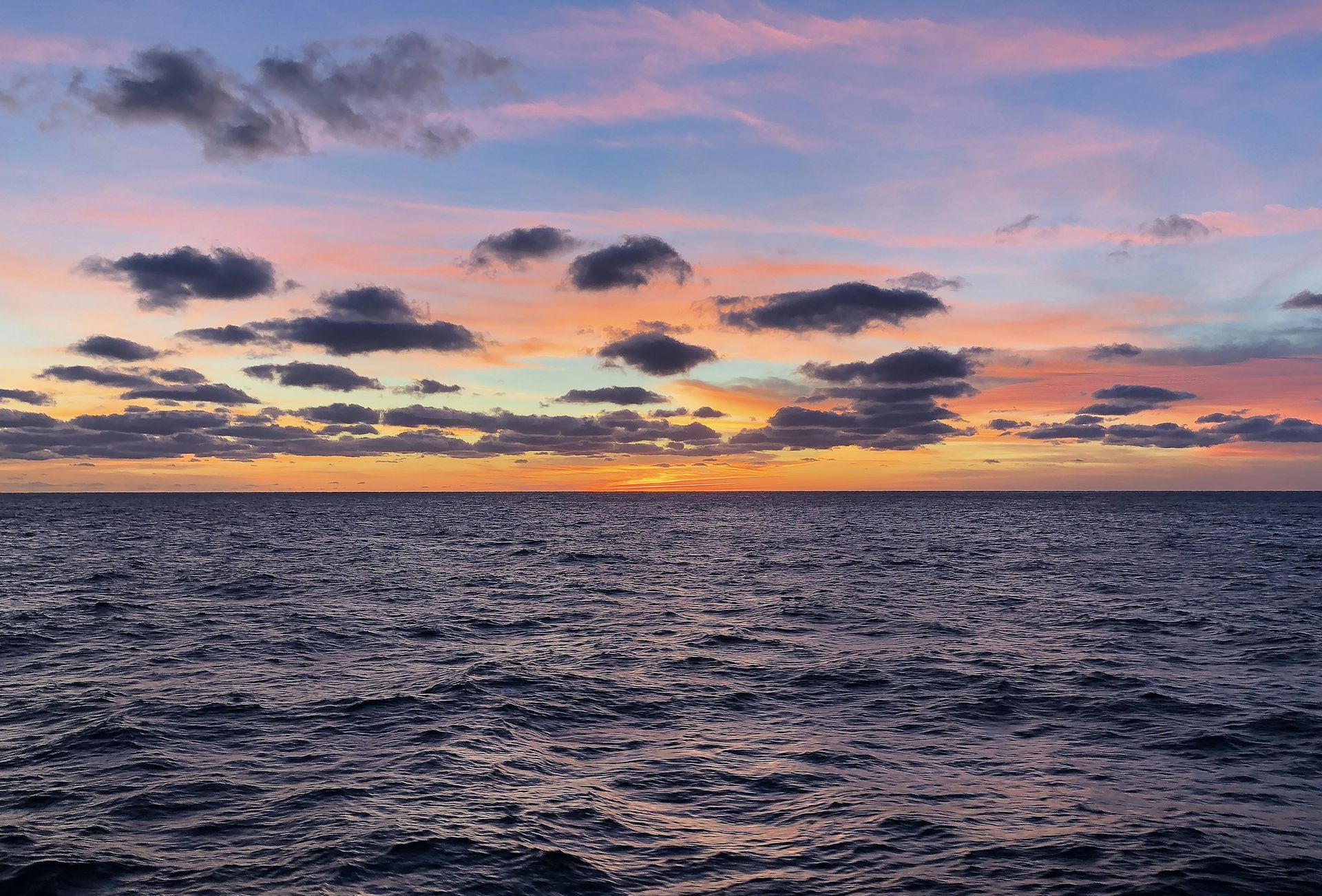
The trade wind, the steady wind on this route, pushes the yacht south west. The wind and the waves usually come from behind, the water gets warmer the further south you go, and at night there is not a single light on the horizon. After about three weeks Saint Lucia appears and we sail into Rodney Bay.
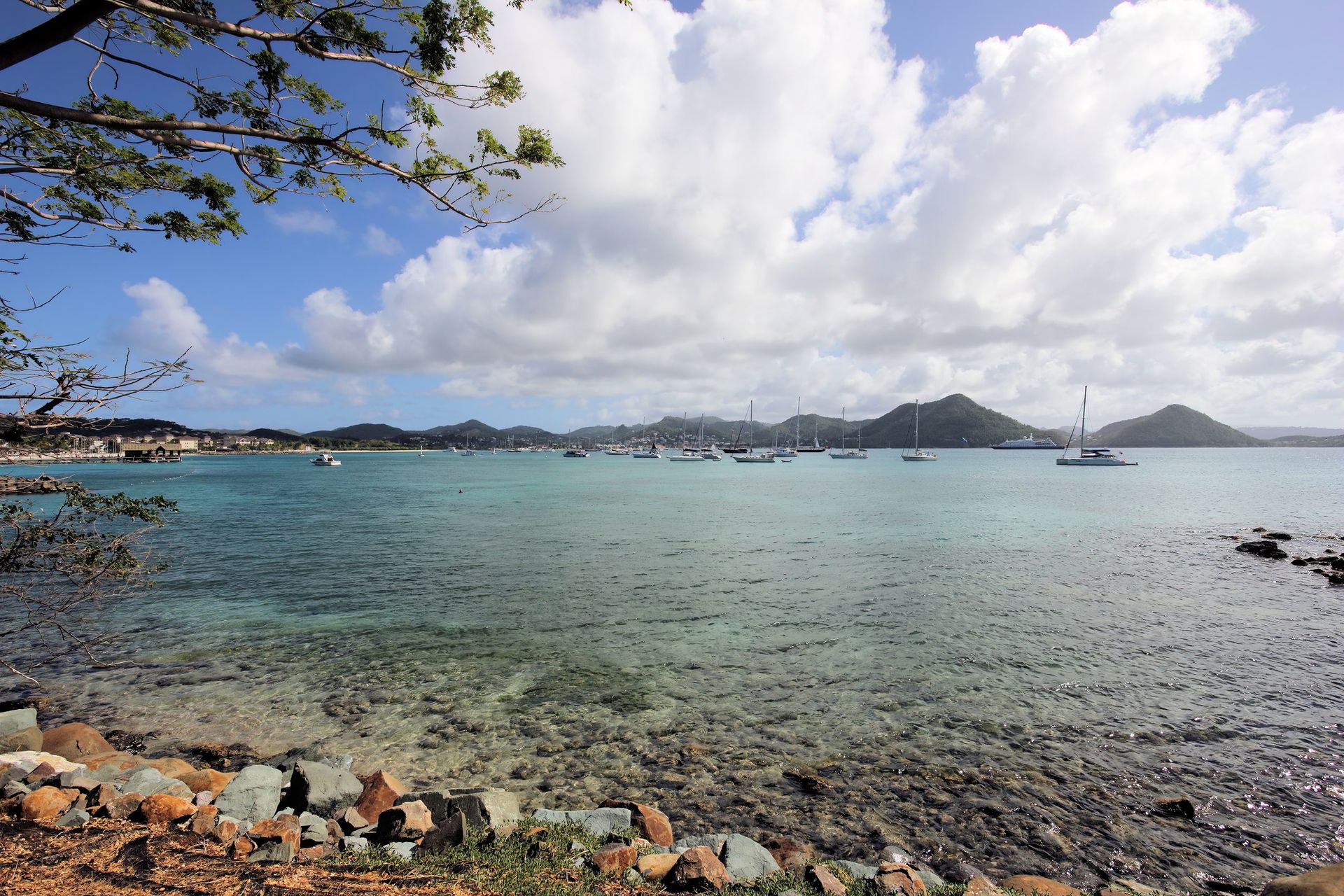
Photo Rodney Bay: Paul Harrison, Wikimedia Commons, CC BY-SA 4.0
Standing watch: three weeks in teams of four hours
A sailing yacht on the ocean does not stop when it gets dark. The crew is split into watch teams that relieve each other every four hours, in the middle of the night too. On watch you take the helm, trim the sails and look out for ships, squalls and a shifting wind. After your watch you hand over calmly to the team after you.
Off watch you sleep, cook or help with maintenance. That rhythm asks the most of you: you sleep at changing hours and have to stay sharp when your body asks for sleep.
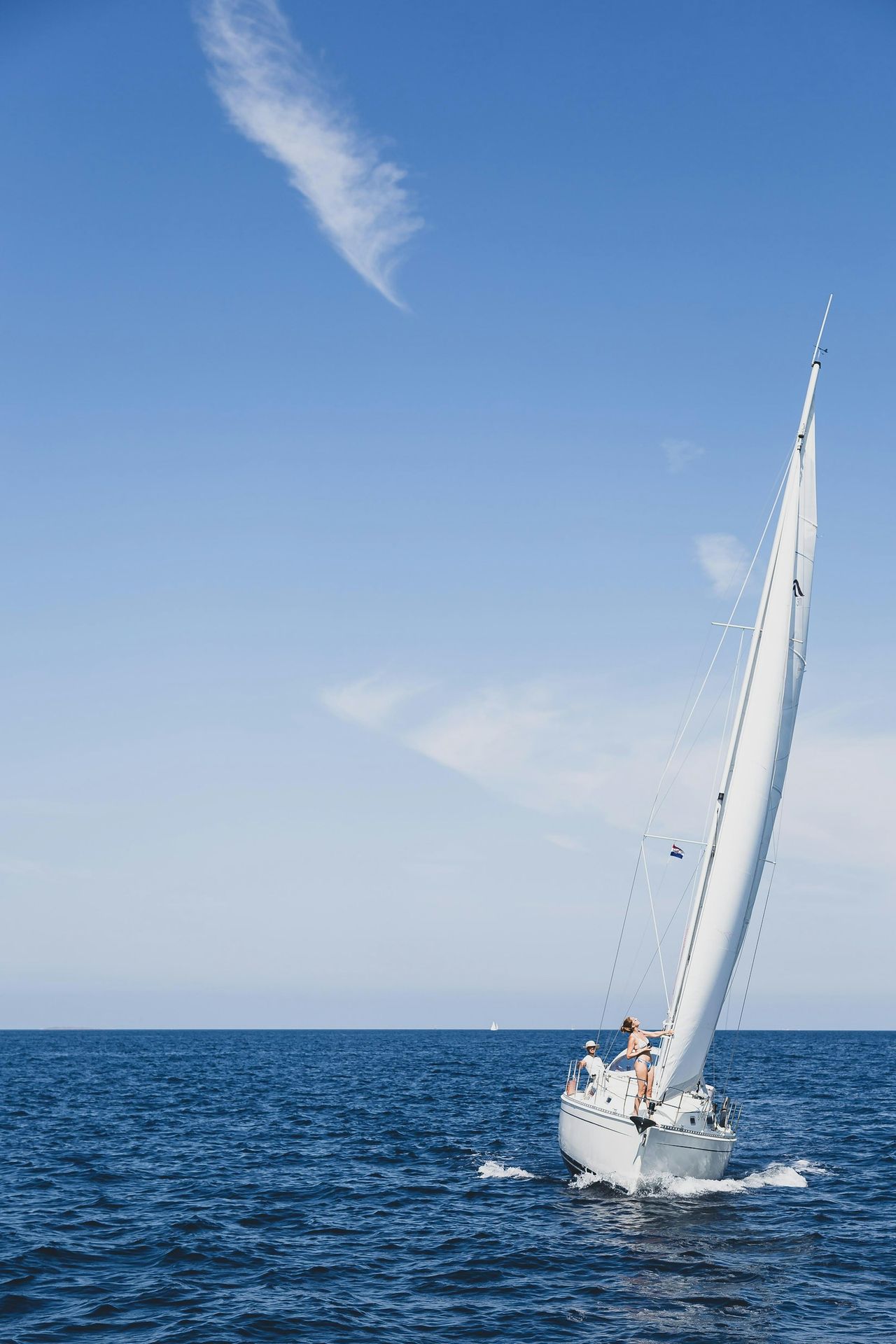
On a three week crossing, sleep is the most important thing you manage. If you take too little rest in the first nights, you are tired at the helm after a week, and that is when small mistakes become big ones. That is why we practise the watch system during the preparation, on the Channel crossing, so that on board you know how to rest between two watches.
Koen De Leeuw, expedition leader
Sailing and navigating on the open ocean
On the trade wind route you sail the same course for days. Yet it never stays the same: a squall passes, the wind picks up or dies away, and the sails need to change. Reefing, trimming and steering you do yourself, with two professional skippers beside you. Koen De Leeuw is on board as well.
You fix your position with the techniques from the preparation, astronavigation included: working out your position from the sun and the stars. Together with the skippers you follow the weather forecasts that come in by satellite. That is how you learn to make decisions at sea, with the information you have at that moment.
Where you sleep and eat
For three weeks the yacht is where you sleep, cook and work. You sleep in a narrow bunk, at changing hours because of the watch system. You cook with the crew while the deck moves with the waves, and you share every square metre with the others. Water, food and energy are planned ahead, and whatever breaks, we repair ourselves on board.
When you leave: why November
The Atlantic Crossing leaves on 18 November 2028. November is the classic window for the crossing to the Caribbean. The trade winds are steady and the chance of heavy depressions is at its lowest. The Atlantic hurricane season runs until the end of November.
The exact departure depends on the weather. Based on weather routing, the skippers can move the departure by a few days if the forecast calls for it.
The weather on the trade wind route
Calm, sudden squalls and days of flat sea follow one another. The further south west you sail, the warmer it gets. Even so, on deck at night you need a warm layer and waterproofs. We go through the packing list together during the preparation.
What it asks of you
The level is Challenge, 4 out of 5 on our scale. You do not need to be an experienced sailor, but you do not sail as a passenger either. Physically the crossing mainly asks for endurance: little sleep, a moving deck and three weeks of a fixed rhythm. On top of that you live for three weeks in a small space with at most eight participants, two skippers and an expedition leader.
On board there is satellite communication, a life raft, an EPIRB emergency beacon and detailed emergency procedures. Our basecamp in Belgium follows the expedition. How we deal with risks is explained on the page about safety.
Twelve months of preparation
Sailing, navigating and reading the weather you learn in a twelve month preparation programme. The programme starts after you sign up with a kick off. Then follow monthly group trainings and a technical training, and two weeks before departure a final check.
You take the Sea Survival, VHF radio, first aid at sea and astronavigation courses. In a training at sea you sail a three day Channel crossing. There you practise the watch system, so the rhythm on board comes as no surprise when you cast off in Las Palmas.
What does the Atlantic Crossing cost?
The Atlantic Crossing costs €19,500 per person, excluding flights and including the twelve month preparation programme. That also covers the courses, the training at sea, two professional skippers, an Element X expedition leader, the stay on board, all meals and drinks on board, fuel and mooring fees. We book the flights to Las Palmas and back from Saint Lucia together with you during the preparation programme, and they are invoiced separately. On top of that, count on insurance (cancellation and search and rescue).
Frequently asked questions
How many nautical miles is it from Gran Canaria to Saint Lucia?
From Las Palmas on Gran Canaria to Rodney Bay on Saint Lucia is some 2,700 nautical miles. On a sailing yacht that takes about three weeks. With little wind it takes longer, because the wind and the weather decide the exact duration.
Do you have signal in the middle of the Atlantic?
No. During the crossing there is no mobile signal and no ordinary internet. There is a satellite link on board, but it is there for safety and to bring in the weather forecasts.
Which courses do you take before an ocean crossing?
In the twelve month preparation programme you take the Sea Survival, VHF radio, first aid at sea and astronavigation courses. On top of that you sail a three day Channel crossing, where you practise the watch system. Everything is included in the price of the expedition.
Find out more
The dates, everything that is included and the button to take an option are on the page of the Atlantic Crossing. How the preparation works is explained on the page about the preparation programme. Rather talk first? Then you can book a call.