From Ostend, England is closer than you think: about 60 nautical miles, ten to twelve hours of sailing. Yet it is no ordinary sail. You cross one of the busiest shipping routes in the world, partly in the dark, and wind and tide decide when you leave and arrive.
At Element X this is the North Sea Crossing: a three day sailing expedition from Ostend to Ramsgate and back, with other entrepreneurs. In this article you read how the crossing runs, how standing watch works, what you find on the far side and what it asks of you.
The crossing: the North Sea in the dark
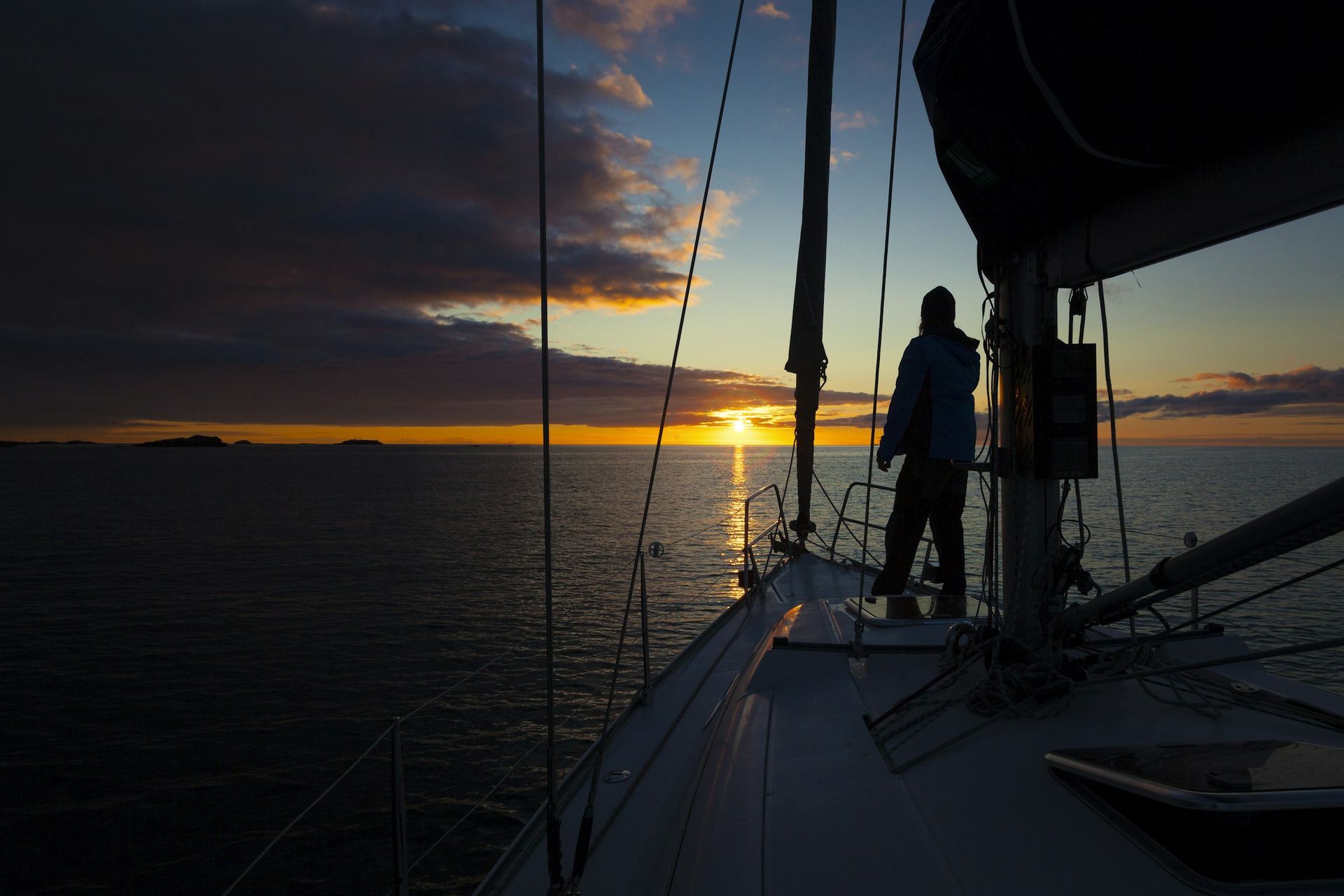
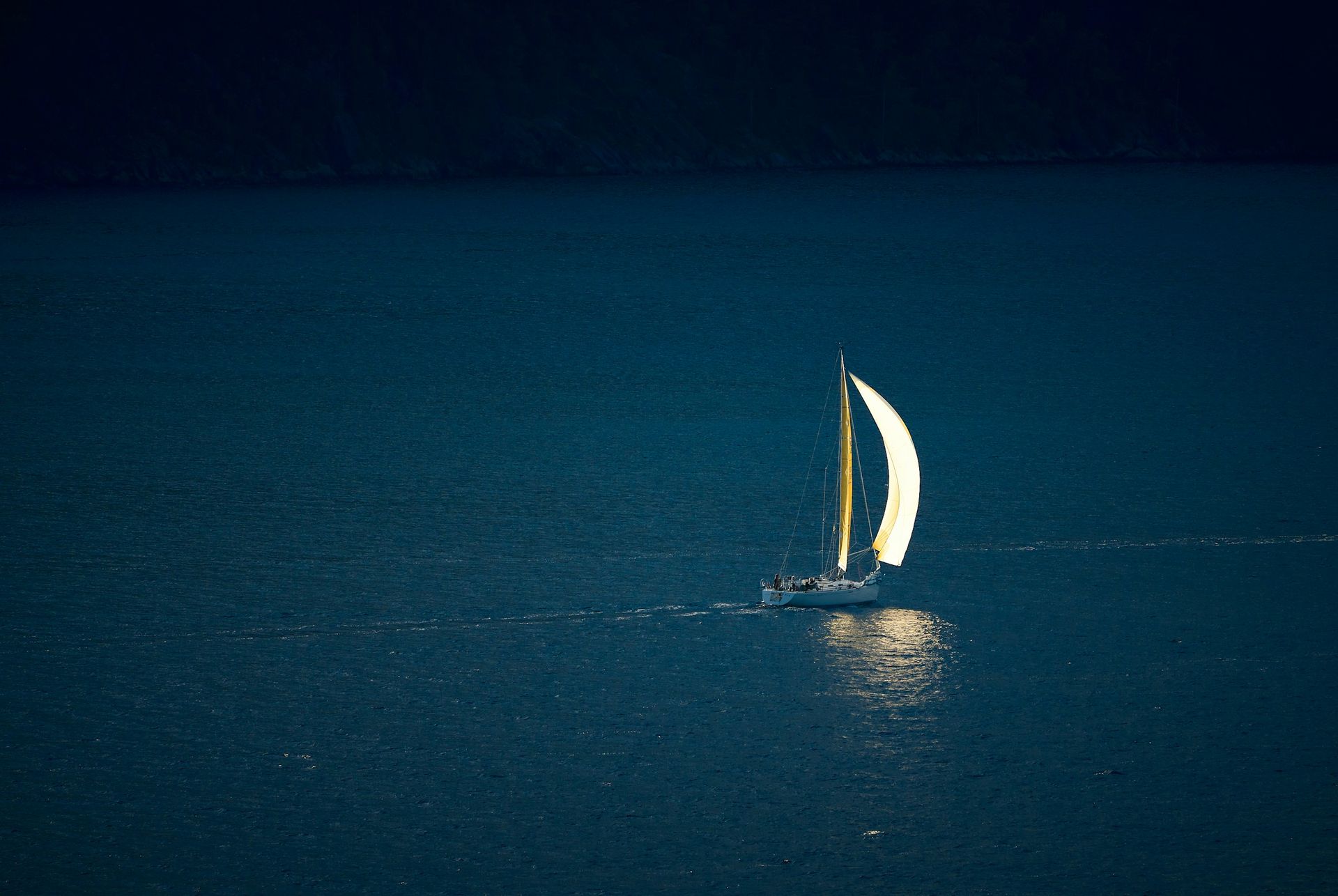
On Friday you board in Ostend. First we go through the safety equipment, set up the watch teams and discuss the weather and the tide. Then we cast off. Once the coast sinks away behind you, the crossing begins, partly at night.
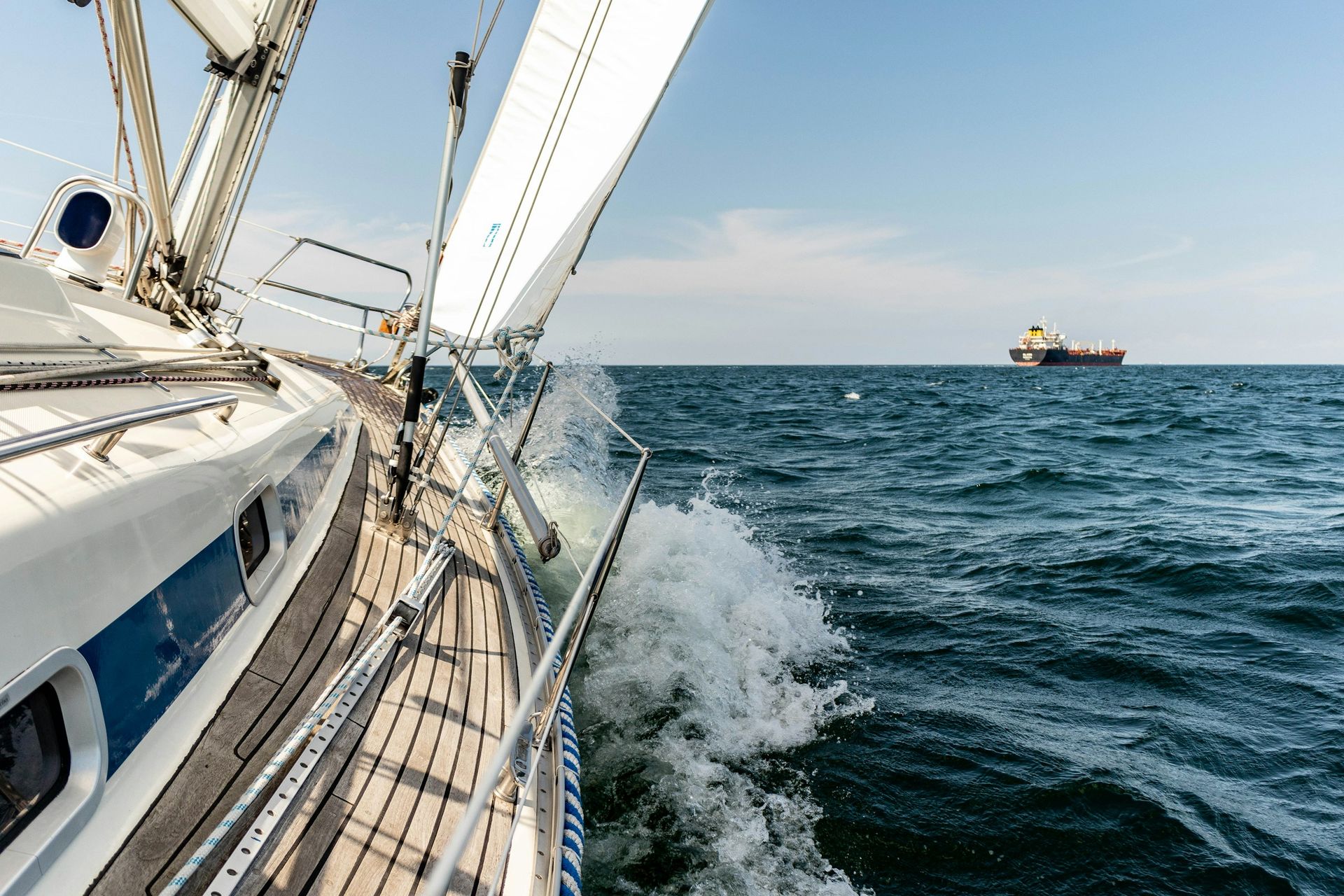
On the North Sea you cross the routes of container ships and ferries. In the dark you often see only the lights of a ship. You learn to read them: from their colour and position you see which way a ship is heading and whether you need to change course.
Standing watch: how a crew sails day and night
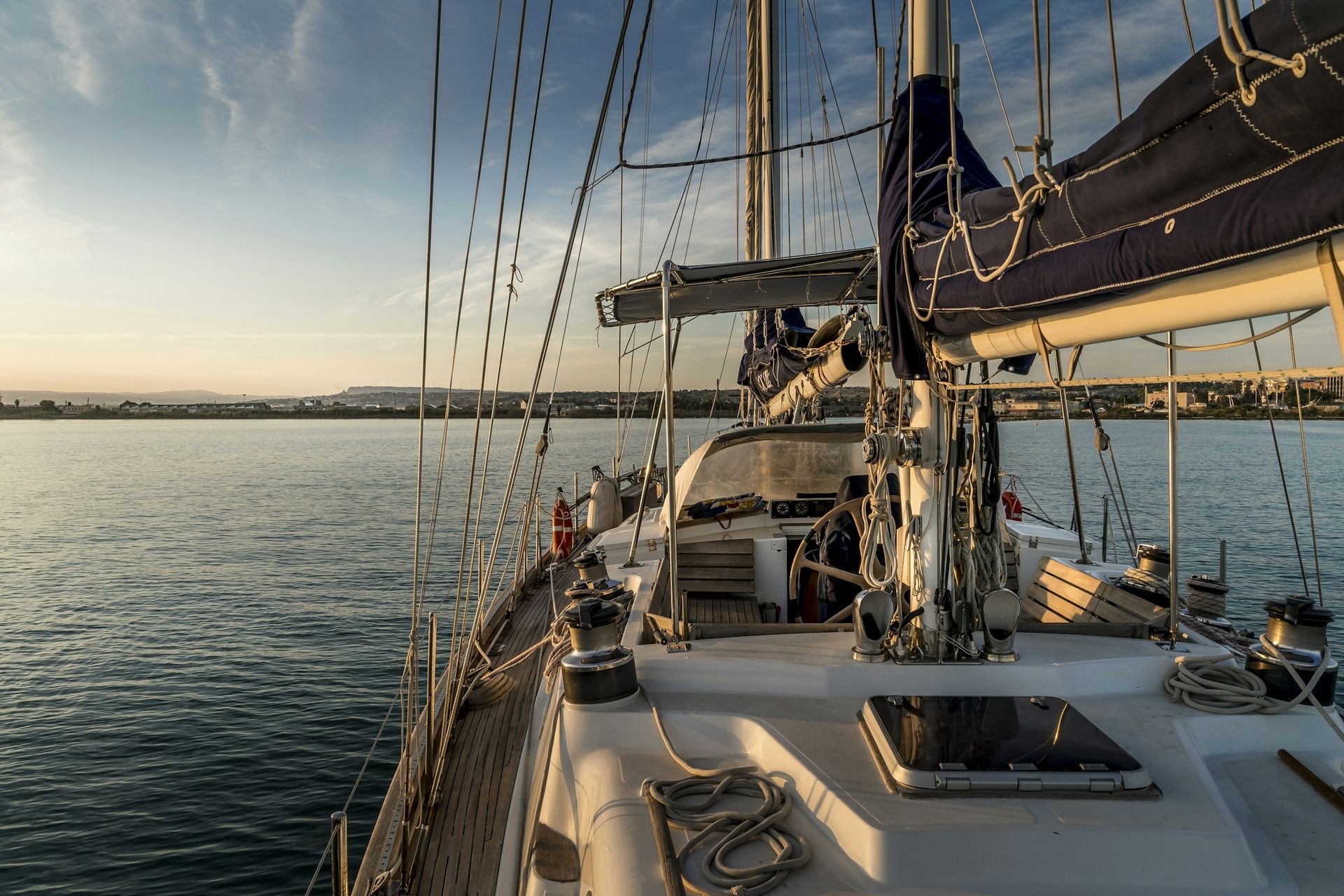
A sailing yacht at sea does not stop when it gets dark. The crew is split into watch teams that relieve each other, in the middle of the night too. During your watch you take the helm, hold the course and look out for ships, buoys and shifting wind. After your watch you hand over calmly to the next team and climb into your bunk.
That rhythm is the hardest part of the expedition: you sleep at changing hours, and you have to stay sharp when your body asks for sleep. That is why we practise the watch system before departure.
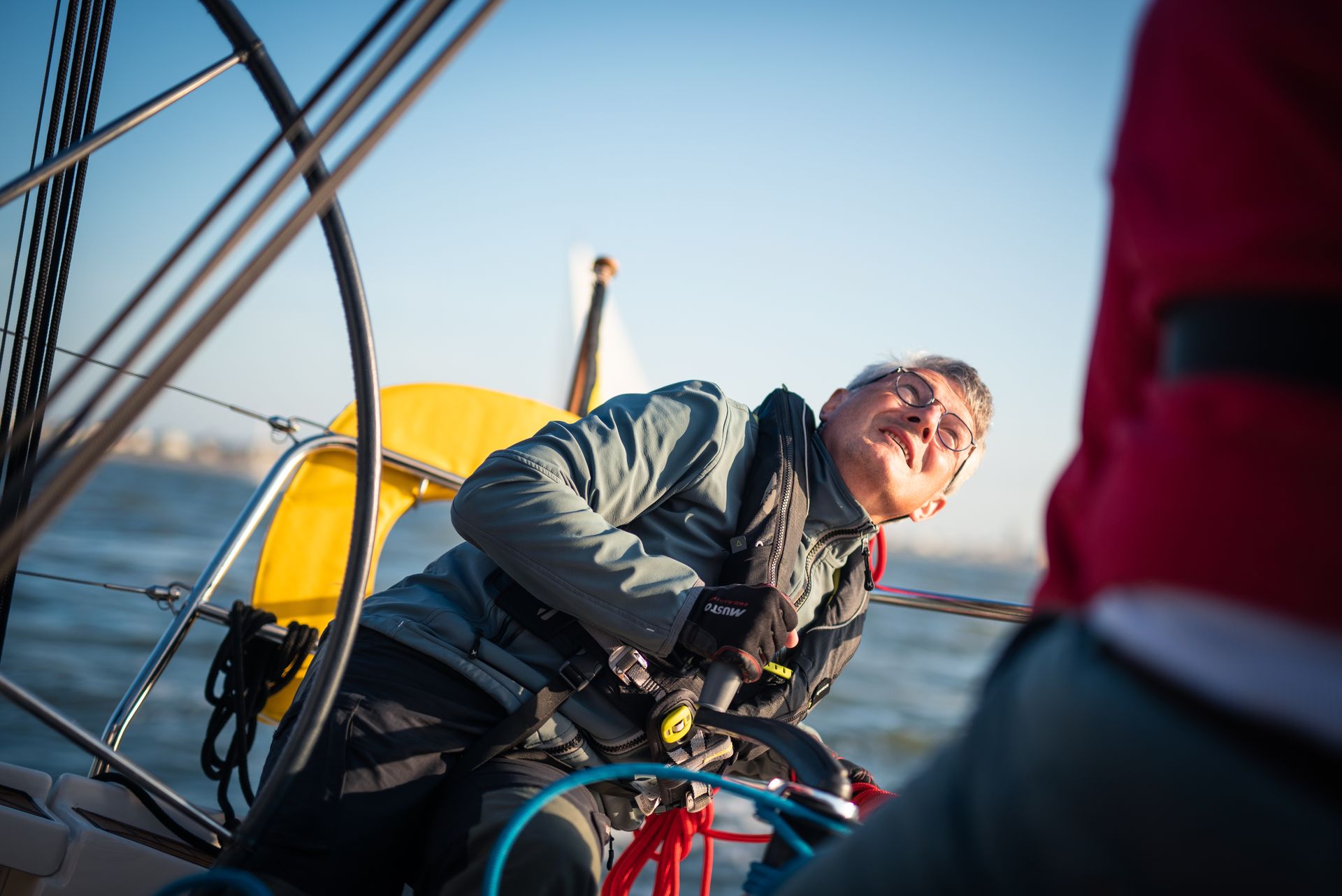
You do not cross one of the busiest shipping routes in the world on instinct. You keep a lookout, judge distances, decide together and stick to what was agreed, at three in the morning too. That is why we practise the watch system during the preparation, so that on board you know your job and how to rest between two watches.
Koen De Leeuw, expedition leader
On the far side: Ramsgate, and straight back
After the shipping routes the English coast comes into view: the chalk cliffs of Kent and the buoys that mark the way past the Goodwin Sands, sandbanks where ships have run aground for centuries. The tide matters here: at low water the harbour entrance of Ramsgate is shallow, so the skipper works out when you can enter.
In the Royal Harbour you moor. You eat something ashore together and go through the passage back. You do not stay long: as soon as wind and tide allow, we cast off again for the second crossing, and on Sunday you enter Ostend again.
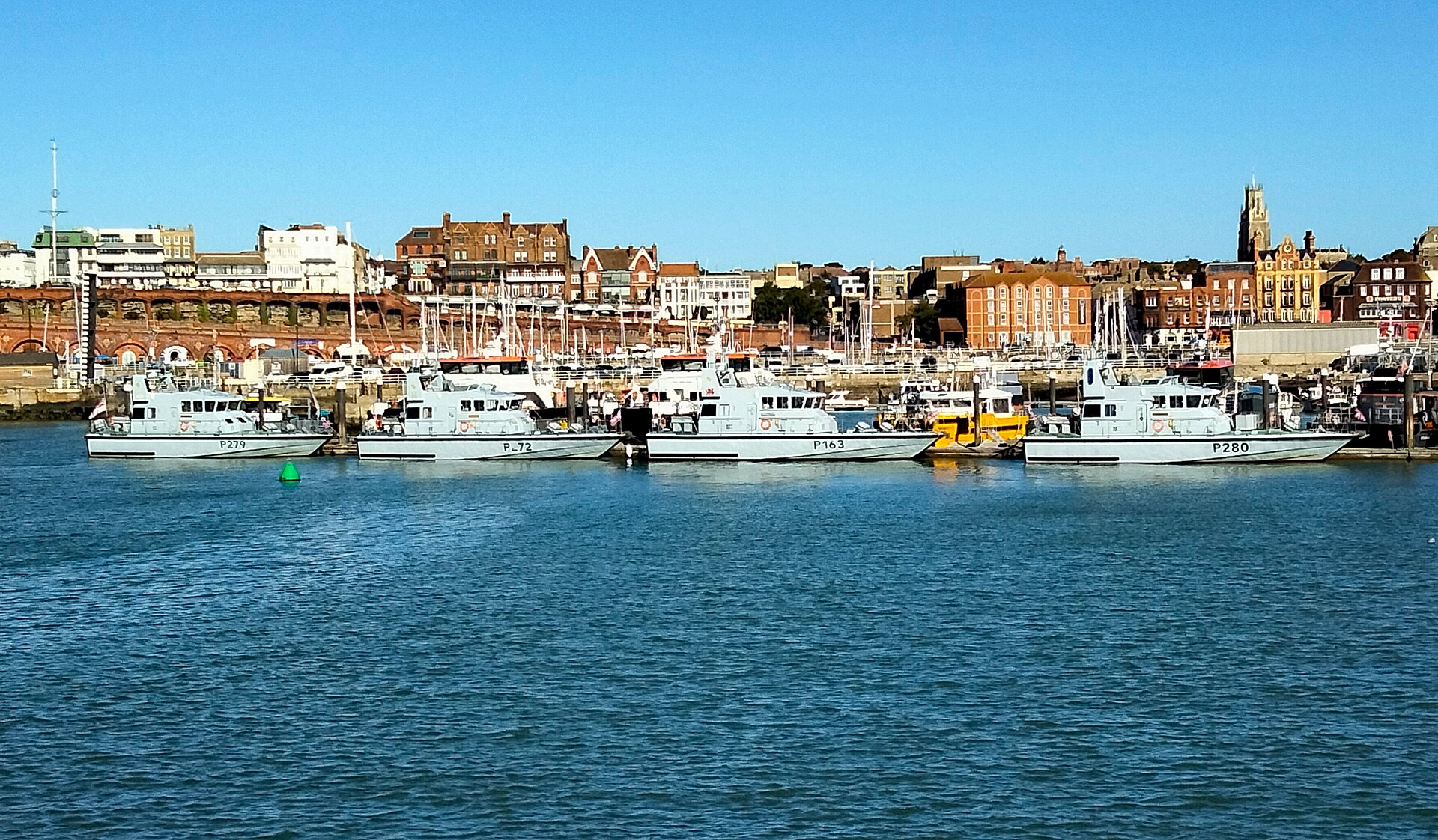
Photo Ramsgate: Hsq7278, Wikimedia Commons, CC BY-SA 4.0
Do you need to be able to sail?
No. You do not sail as a passenger, but you do not need to be an experienced sailor either. Sailing, navigating and standing watch you learn in the preparation programme of 3 to 6 months, together with the other entrepreneurs in your crew. The programme starts after you sign up with a kick off. Then follow monthly group trainings and a technical training, and two weeks before departure a final check.
On board are a professional skipper and an expedition leader from Element X. Reefing, trimming and steering you do yourself, with the skipper beside you. You plot the position on the chart, follow the buoys between the sandbanks and work out when the current is with us and when it is against us.
How hard is it?
The level is Adventure, 3 out of 5 on our scale. You do not need to be in peak condition, but you stand watch in teams, at night too, sleep in a bunk at changing hours and live for three days on a moving deck. Above all the short nights and the concentration during the two crossings take energy.
Seasickness happens, especially in the first hours on open sea, and passes for most people once the body gets used to the motion. Leaving well rested, staying on deck, looking at the horizon and eating light help. If needed you take medication, in consultation with your doctor.
The weather in early June
During the day it is usually 14 to 20 degrees on the North Sea, but at night on deck the wind makes it feel a lot colder. Expect sun, wind and the occasional shower, sometimes on the same day. We go through the packing list with sailing gear together during the preparation.
What does the North Sea Crossing cost?
The North Sea Crossing costs €2,200 per person, including the preparation programme of 3 to 6 months. That also covers the professional skipper, the Element X expedition leader, the stay and all meals on board, fuel, mooring fees and the safety equipment. There are no flights: you drive to Ostend yourself. For the United Kingdom you need, even for a short stop, an international passport and a UK ETA, the electronic travel authorisation you apply for online in advance.
Frequently asked questions
How long does it take to sail from Ostend to England?
From Ostend to Ramsgate is about 60 nautical miles. A sailing yacht takes ten to twelve hours, depending on wind and current. At Element X the expedition takes three days, Friday to Sunday: there, a short stop ashore in Ramsgate and straight back.
Do you need sailing experience to cross the North Sea?
No. In the preparation programme of 3 to 6 months you learn to sail, navigate and stand watch, together with the other entrepreneurs in your crew. On board you sail with a professional skipper and an expedition leader from Element X.
Which documents do you need to sail to the United Kingdom?
A valid international passport (an identity card is not enough) and a UK ETA, the electronic travel authorisation you apply for online in advance. The skipper handles the registration of the yacht and the crew with the British border service.
Find out more
The dates, everything that is included and the button to take an option are on the page of the North Sea Crossing. How the preparation works is explained on the page about the preparation programme. Rather talk first? Then you can book a call.