
Home on High Training
The definition is as follows: "Altitude training is the use of a lack of oxygen (hypoxia) towards your body to stimulate better performance."
It can be used for climbers who want to acclimatise to the high altitude they will encounter on their next expedition. With a high-altitude tent, you can train at home up to 3,400 metres while sleeping in your tent, and even up to 6,500 metres with the help of a mask.
This can also be used to enhance performance for individuals who want to perform better during sports competitions. This works well for both elite athletes and recreational runners, cyclists, swimmers, etc.
For sports performance goals, you usually sleep at an altitude of around 3,000 metres; sleeping higher does not really have an impact on your endurance performance if it is delivered at ground level. (for example, you want to run a faster marathon)
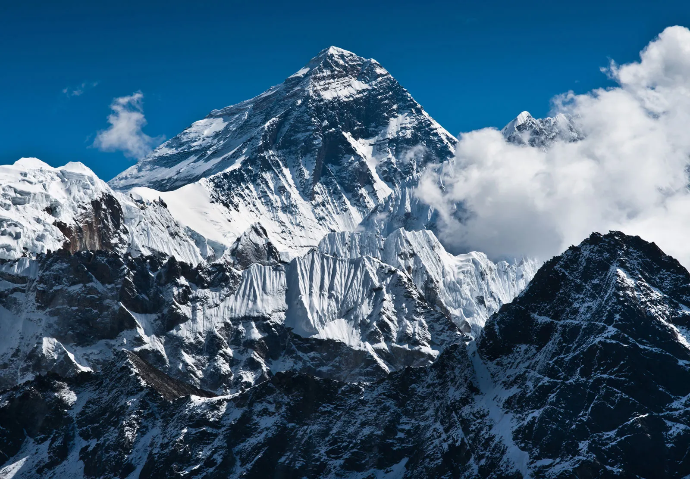
Whether you are planning to climb Mont Blanc, Kilimanjaro, or even Mount Everest, high-altitude travel must always be carefully planned and prepared for. Both your physical condition and your equipment play a significant role in your success. To prepare your body for the special conditions at high altitude, it certainly helps if you undertake an altitude training course before embarking on your next mountain adventure.
At an altitude of 2,000 m, the "thin air" begins to affect the body. Here, sensitive individuals may already experience the first symptoms of altitude sickness. Headaches or feelings of nausea are the first signs that your body is telling you to return to a lower altitude. However, feeling a bit unwell does not necessarily mean that you will develop acute mountain sickness (AMS).
The onset of AMS depends on various factors, such as: how physically fit you are and how good your overall health is. Moreover, some people may acclimatise faster than others with the same physical condition, simply based on their genetics.
When climbing a mountain or walking at high altitude, you must also take into account both the speed of the ascent and any additional acclimatisation days.
Regardless of altitude, the oxygen concentration in the air is 20.9% worldwide. However, atmospheric pressure decreases with increasing altitude, and the partial pressure of oxygen simultaneously drops. This effect leads to a deficiency of oxygen for the body (hypoxia).
During your sleep, you expose yourself to greater altitudes prior to your mountain adventure or expedition. The aim is to simulate the hypoxic conditions you experience at high altitude before you set foot on the mountain. We do this with hypoxic generators, which extract oxygen from the air you breathe, in a hypoxic chamber, in a tent, or via a face mask. Exposure to oxygen-poor environments stimulates compensatory physiological adaptations that improve our ability to transport oxygen throughout the body and ultimately prepare the body for the hypoxic conditions at high altitude, leading to a better and more comfortable experience on the mountain.
How do I start my altitude training?
Normally, you start simulating sleep at higher altitudes 4 to 5 weeks before your trip to the mountains. We usually begin at an altitude of 1,500 metres and increase the height based on the oxygen readings when we wake up. We use a pulse oximeter to measure the oxygen saturation in our bloodstream (SpO2) through your finger. You should aim for an SpO2 between 90% and 92% when you measure the oxygen saturation in the morning. At this level, your body requests more red blood cells through the production of EPO, the hormone of the blood growth factor. If the reading is higher than 92%, you can increase the simulated altitude, and you should lower it again if you measure an oxygen saturation value lower than 90%.
Quite a few professional athletes also benefit from the positive effects of altitude training.
Altitude training is therefore perfectly suited for performance-oriented athletes who want to improve their endurance under controlled conditions. In case you didn't know: altitude training is already included in the training plans of endurance athletes, long-distance runners, triathletes, and cyclists. But also ambitious mountaineers who wish to prepare for a high-altitude climb can enhance their performance through altitude training..
The after-effect of altitude training
The duration of both the training effect and the adaptation to altitude remains a subject of debate in science. The first few days after a prolonged stay at high altitude involve a recovery phase, which means that you should reduce both the number of training sessions and their intensity. You may even notice a decline in your performance at first, so a short break after staying at high altitude can help you bounce back.
Moreover, several studies have concluded that the effect of a good altitude training camp lasts for three to five weeks and likely even longer. The extra produced red blood cells (erythrocytes) remain in the body for a maximum of 120 days. Therefore, the effects cannot last longer than 4 months.
Travelling at high altitudes leads to an adjustment process in the body due to the reduced supply of oxygen. This includes a sensitisation of the respiratory activity, i.e. the ventilation, just as your body would experience stress. Additionally, the release of the body's own hormone erythropoietin (EPO) is also stimulated. EPO is produced in the kidneys and promotes the formation of new red blood cells in the bone marrow. At the same time, the body increases the available amount of haemoglobin. Haemoglobin binds oxygen and has a positive effect on endurance by increasing the capacity for oxygen transport in the arterial blood.
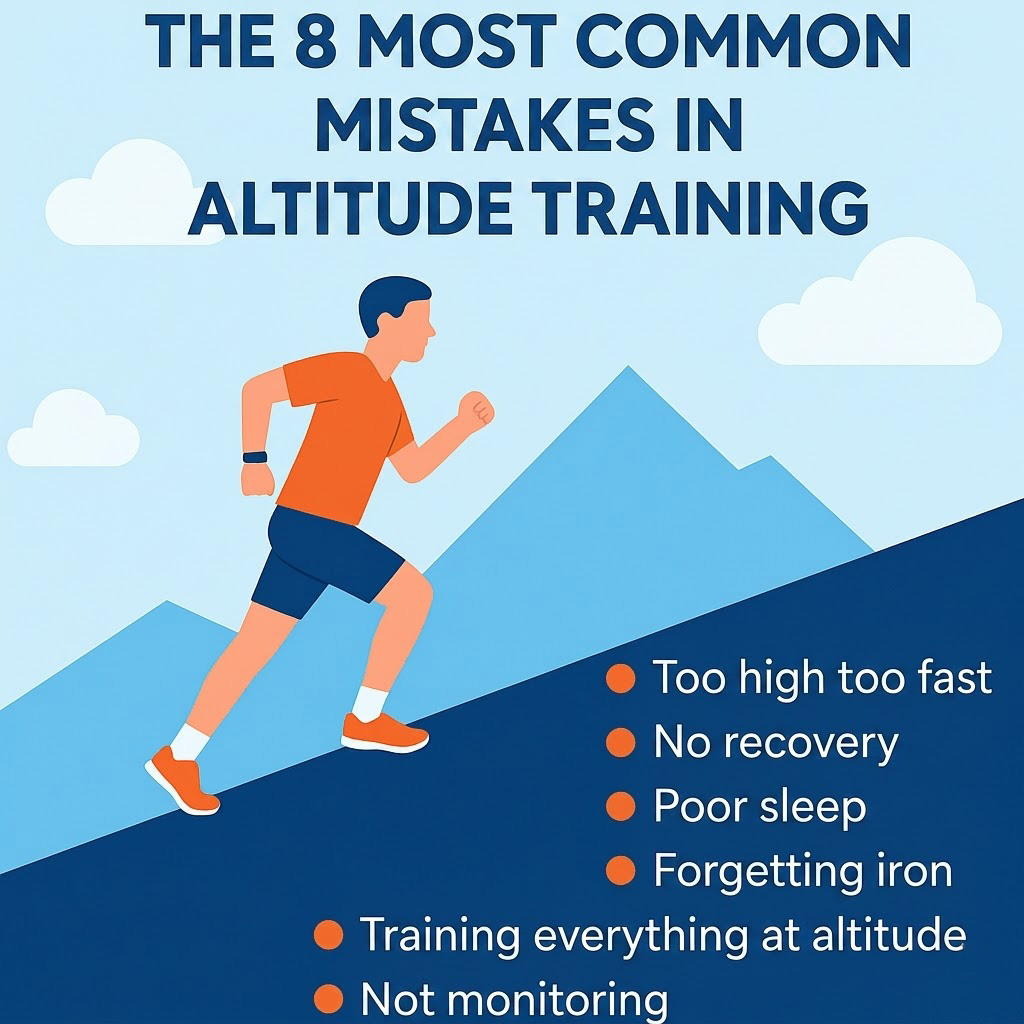
The science behind a successful expedition
Various studies have shown that physical exertion under hypoxia leads to changes at the muscle level, such as increased enzyme activity of energy metabolism. An increased oxygen storage in the muscles was also observed.
A well-planned altitude training is certainly very beneficial for recreational athletes and hobby mountaineers. But recreational runners or cyclists can also benefit from the positive effects of the training on their own sports performance.
It is therefore important to train your own personal endurance and ensure that it is at a good level beforehand. In other words, you should engage in regular exercise, running, or hiking for a few years before considering a high-altitude training camp to improve your performance in your next marathon or triathlon.
Altitude training can be used to improve performance in popular sports under certain conditions.
For mountain climbing trips at high altitudes in the Andes, the Himalayas, or even on the 4,000-metre peaks in the Alps, it is very beneficial to prepare at home with a high-altitude tent. This can reduce the possible symptoms of acute mountain sickness (AMS) or even potentially eliminate them in advance.
Your training must be specific and strategic; a simple stay at high altitude is not enough to achieve meaningful adaptation effects. It must be combined with a tailored training plan that is aligned with the goal you want to achieve, the time you can allocate for it, and your current running or cycling performance (or other sports).
A good and proper acclimatisation increases your chances of succeeding in an expedition. We use altitude tents and altitude masks from our altitude training partner Altitude Dream to acclimatise for our trips above 4000 metres. It helps us perform better, allowing us to enjoy our journey even more.
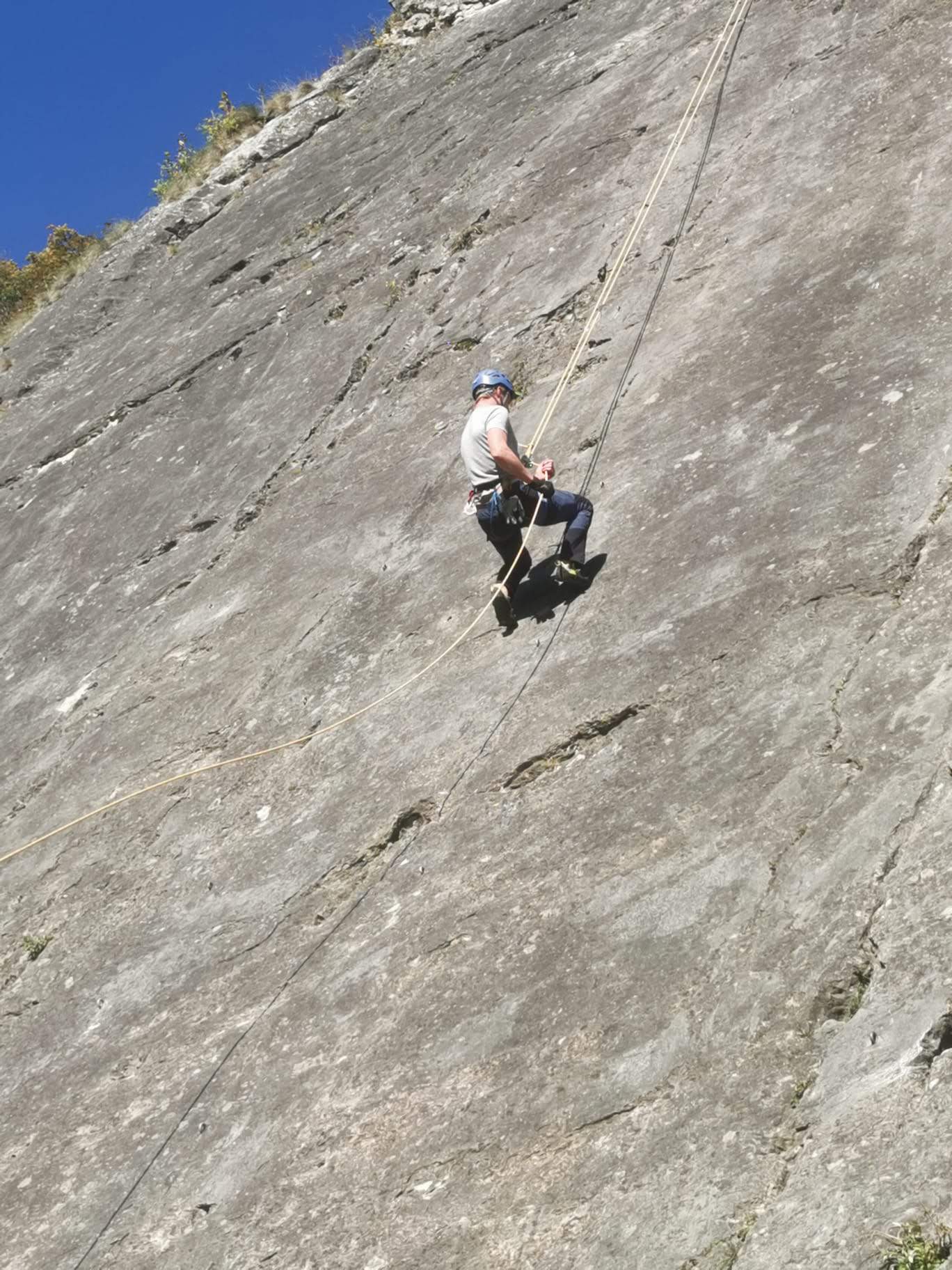
Discover our trips to the mountains and take part in one of our
Upcoming mountain expeditions.