EXPEDITION AMAZON | 28 OCTOBER TO 8 NOVEMBER 2028
The river is the only road
The story of
this expedition
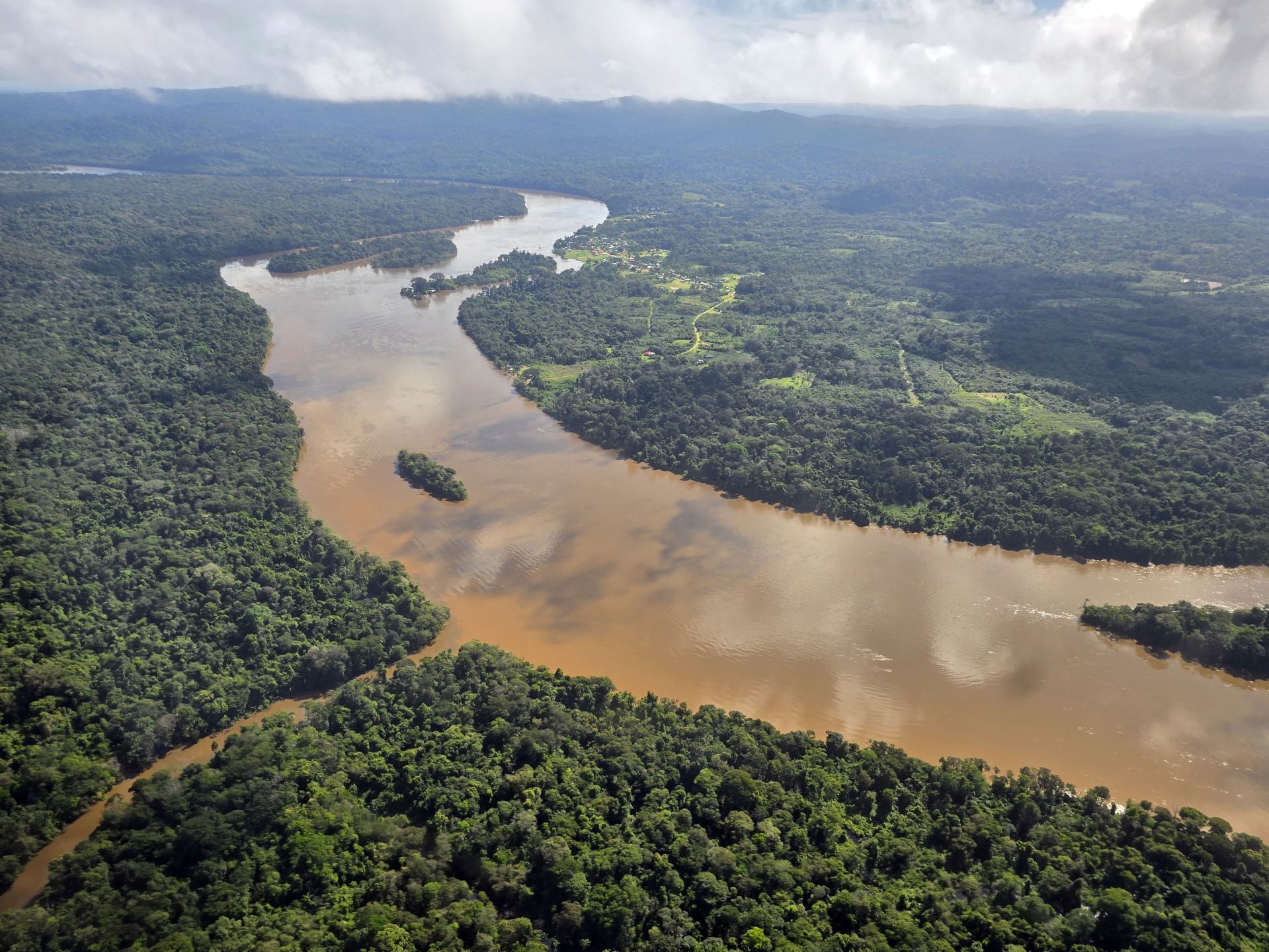
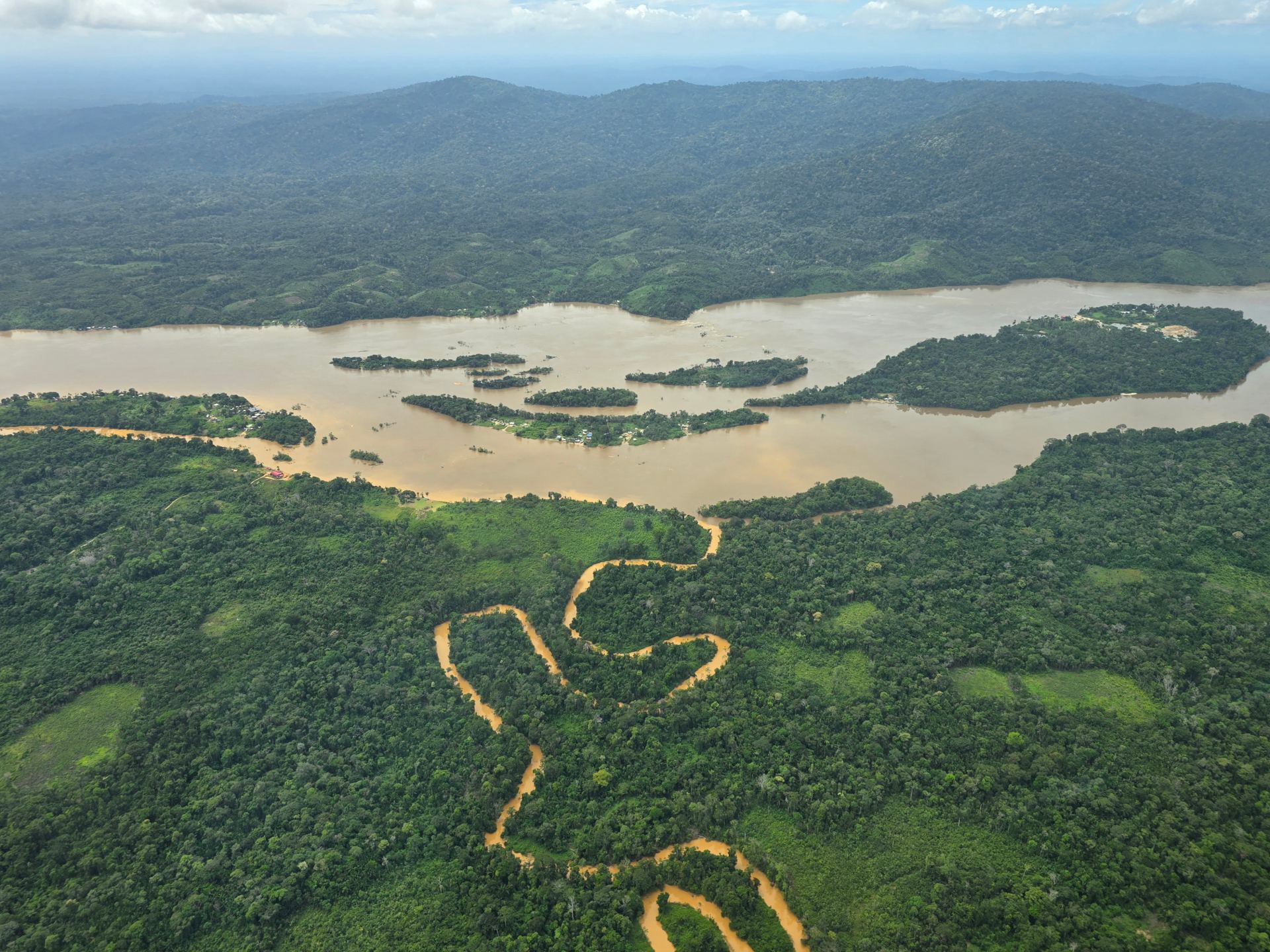
You fly to Paramaribo, the capital on the coast. From there a small plane carries us over an endless green roof to a grass airstrip deep in the interior. No road leads here and there is no signal. Everything you need for the days ahead is in your pack and in the boat.
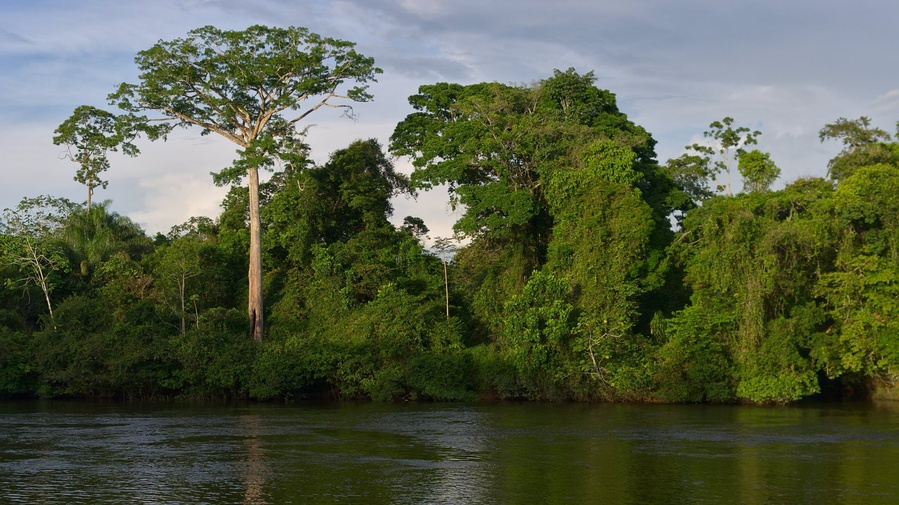
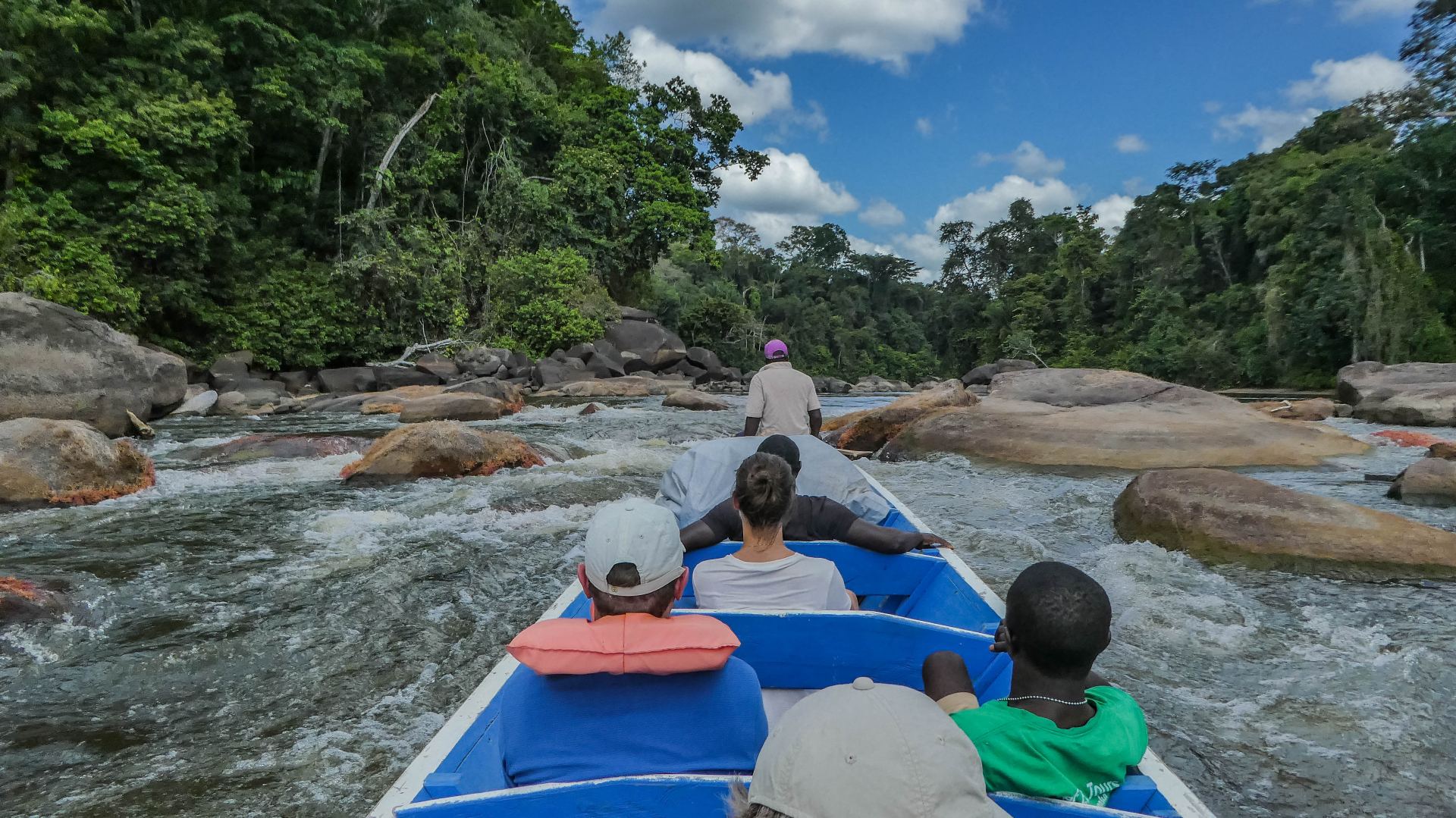
More than ninety percent of Suriname is covered in rainforest, and in the interior the river is the only connection. We travel upstream in narrow canoes, jump out at the rapids and push the boat over the rocks together. Where the water ends, we step into the forest: cutting with the machete, wading creeks, balancing along fallen trunks. In the evening we sling our hammocks between two trees, with a tarp above and a mosquito net around.
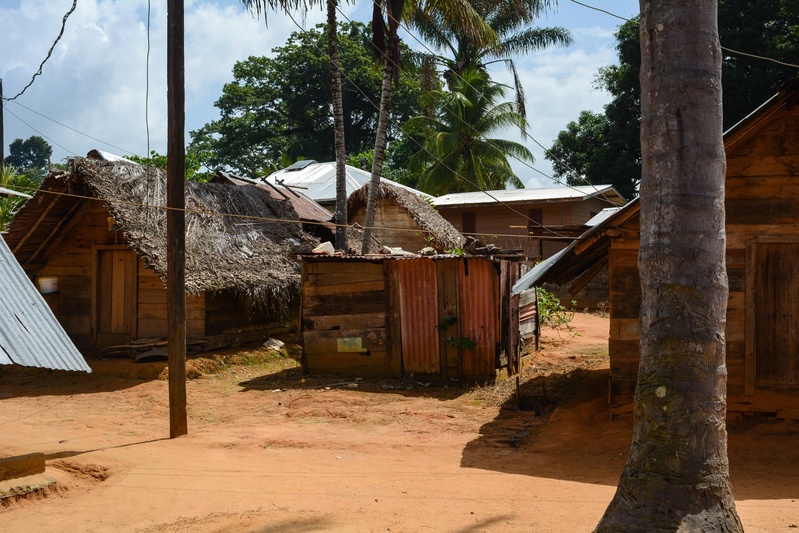
It is hot, around thirty degrees, and so humid that nothing dries. You learn to go slowly, drink a lot and guard your dry clothes. Along the way we are guests of Maroon and Indigenous communities who have lived along these rivers for centuries and know every bend. In the preparation you practise what you need here: navigating by compass, setting up your hammock and working with the machete.
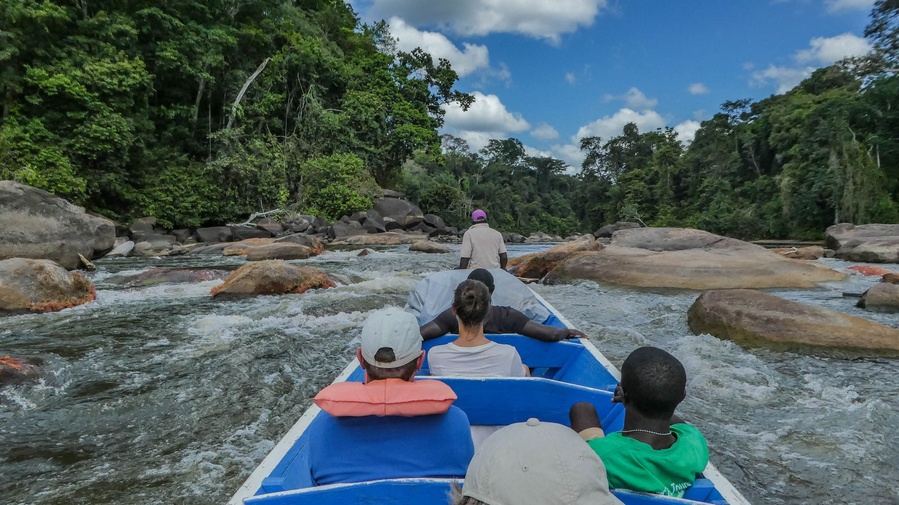
On water
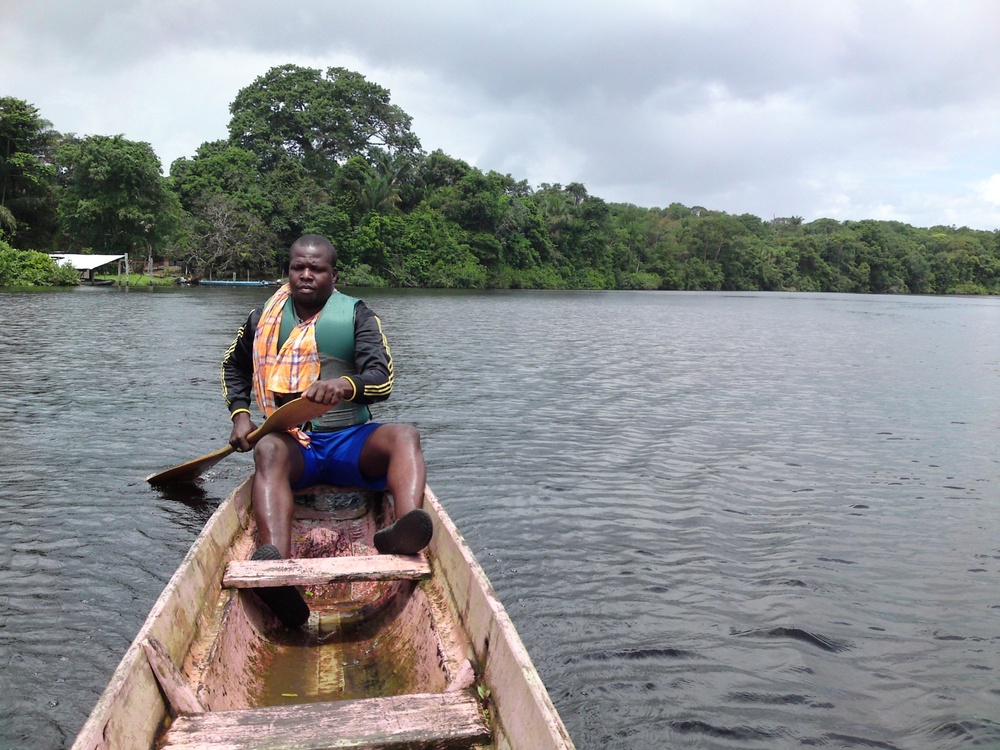
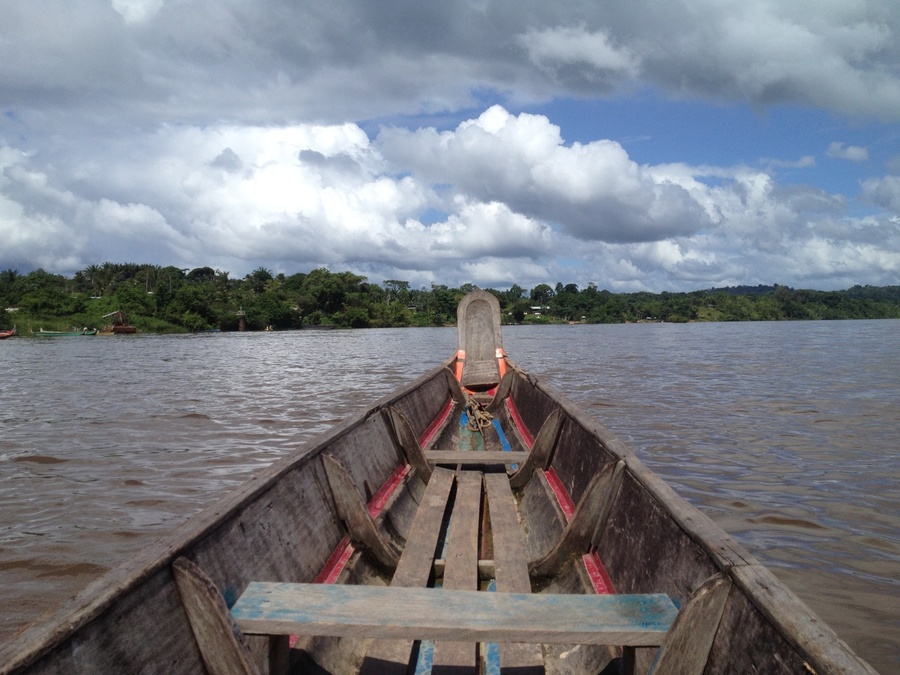
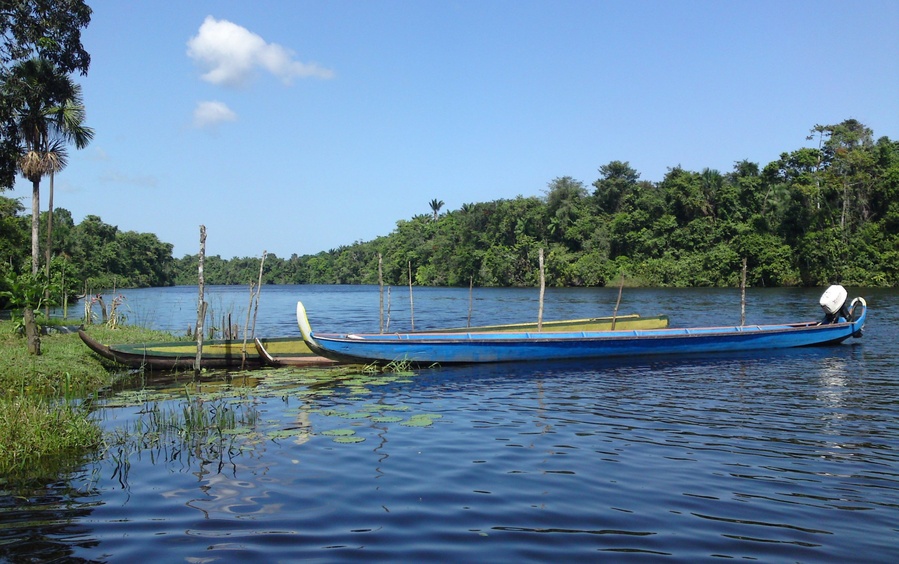
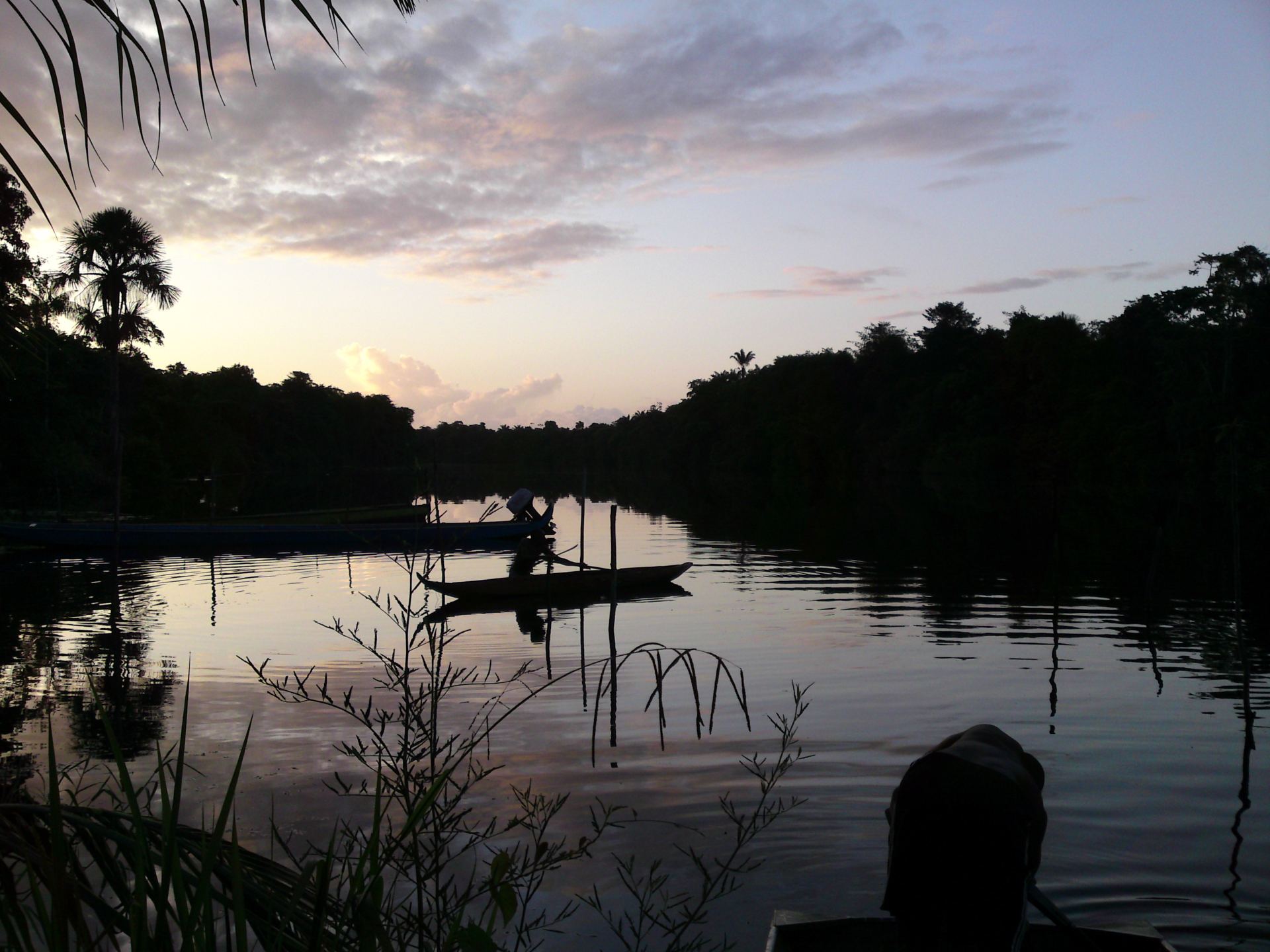
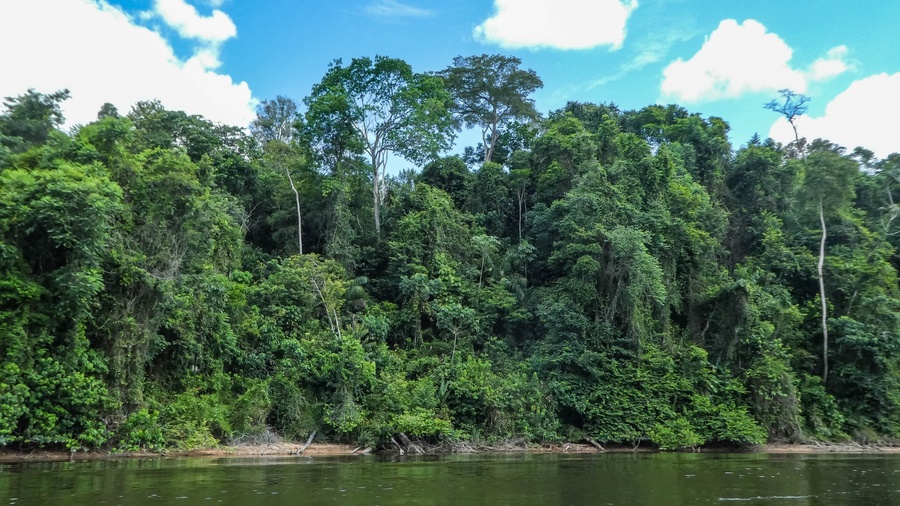
upstream by canoeIn the interior the river is the highway. Local boatmen steer the narrow, hollowed out canoes upstream, past banks where the forest hangs right down into the water. At every rapid we jump out, knee or hip deep in the water, and push and haul the boat over the rocks together. What does not fit in the boat stays behind, and where the water gets too wild we carry everything overland around the obstacle. You learn to see where the current is strongest and where you have solid footing. It is wet, heavy work, and it only works with the whole group.
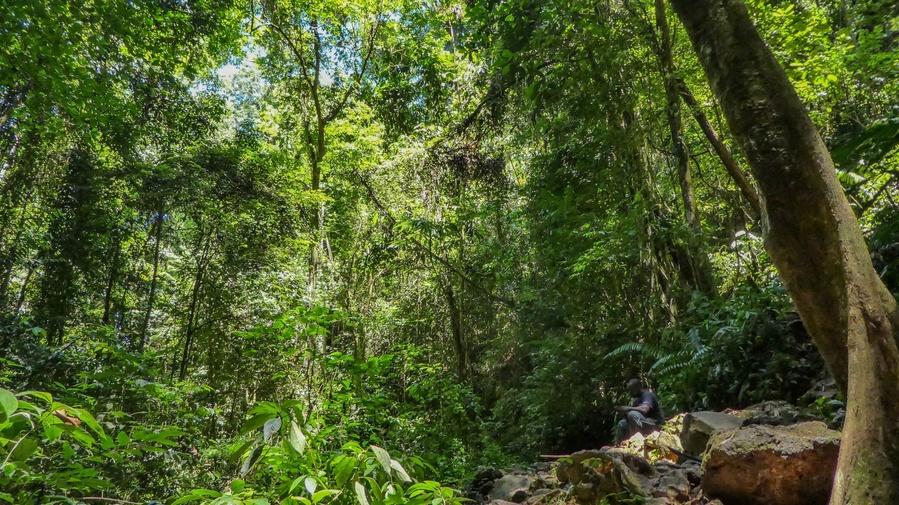
On foot
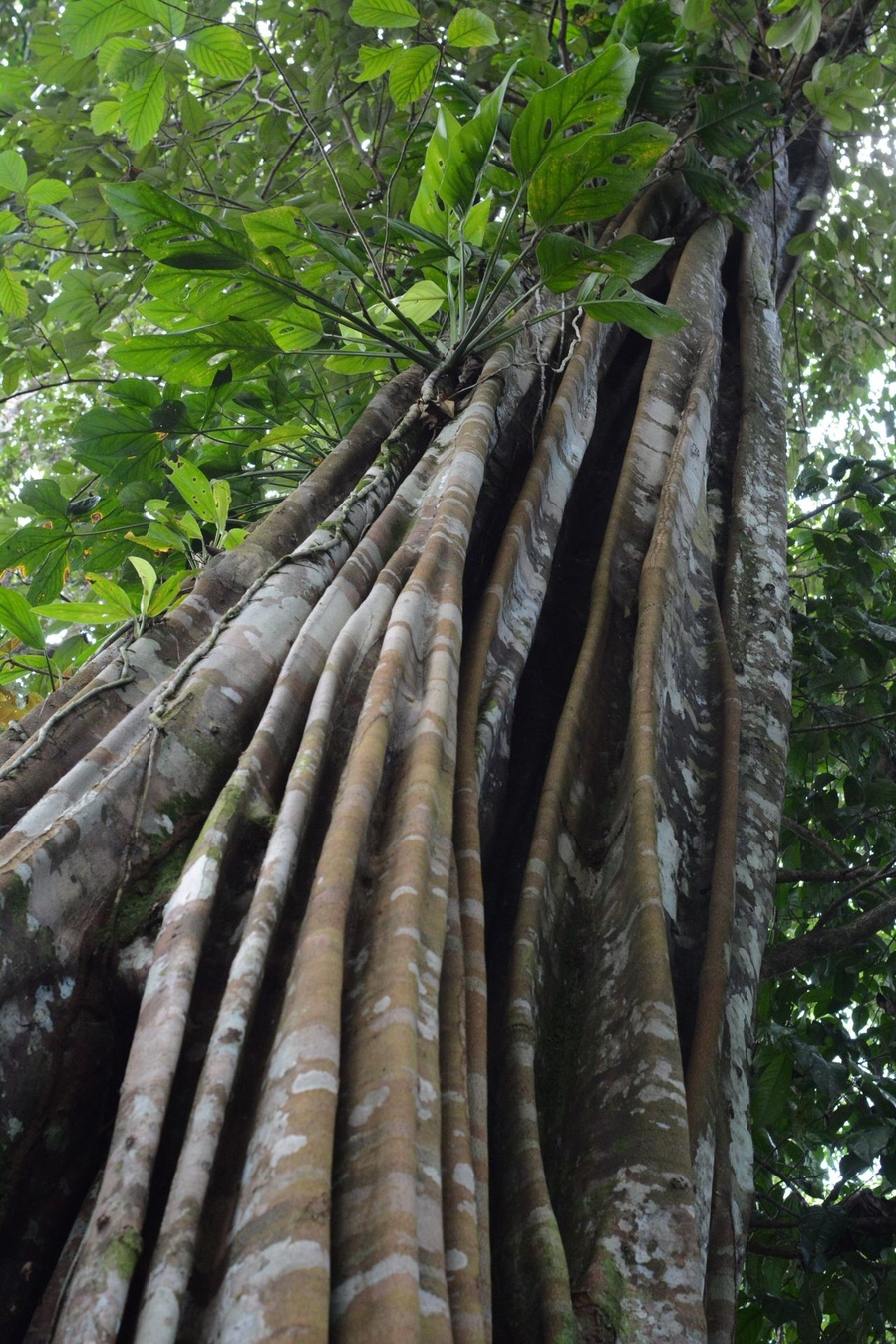
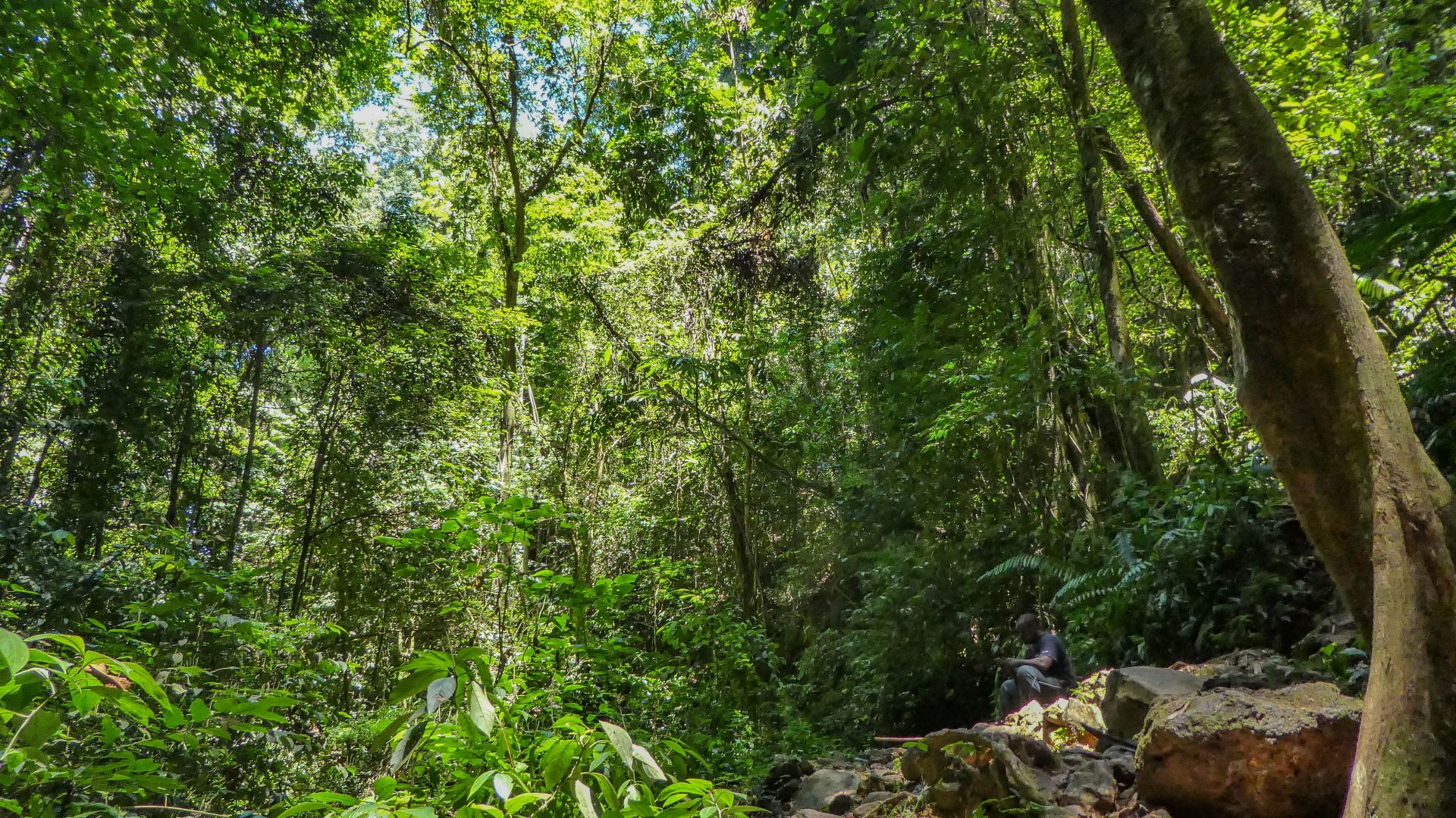
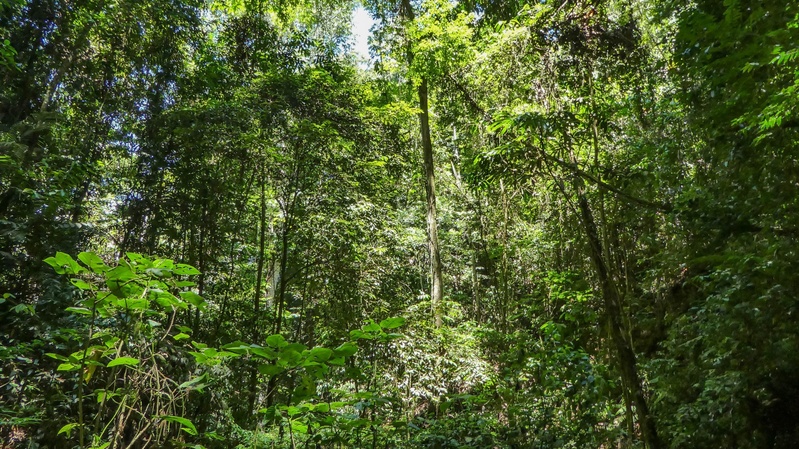
through the closed forestAway from the river the forest closes over your head. You rarely see further than a few dozen metres, the sun barely gets through and there are no peaks to take a bearing on. We navigate by compass and by the course of the creeks, together with local crew who have known this forest since childhood. Where we need to, we cut a way through with the machete. Creeks we cross by wading, swimming or balancing along a fallen trunk. Ten kilometres is a full day out here.
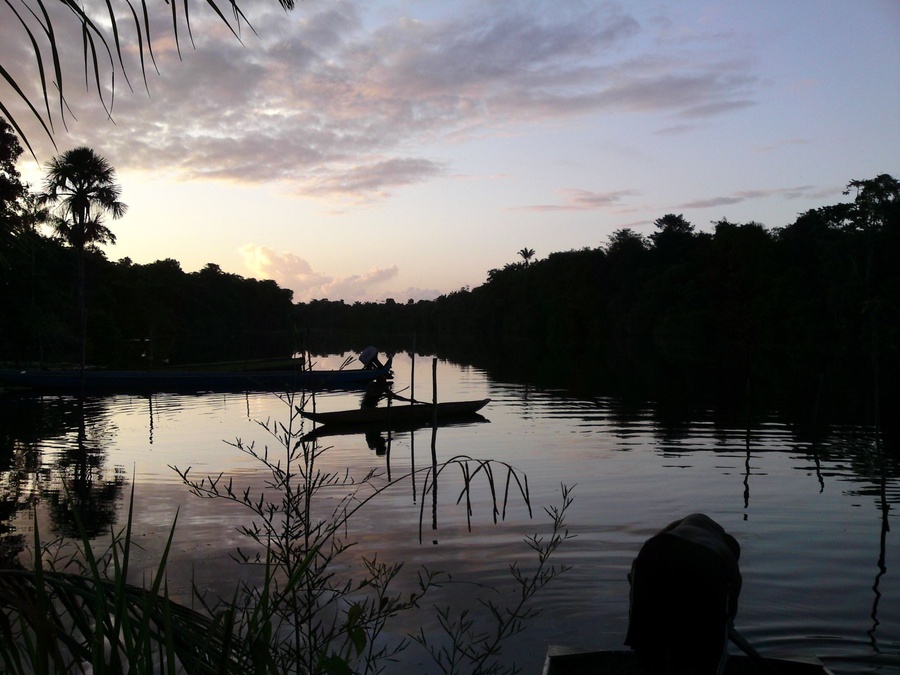
Camp
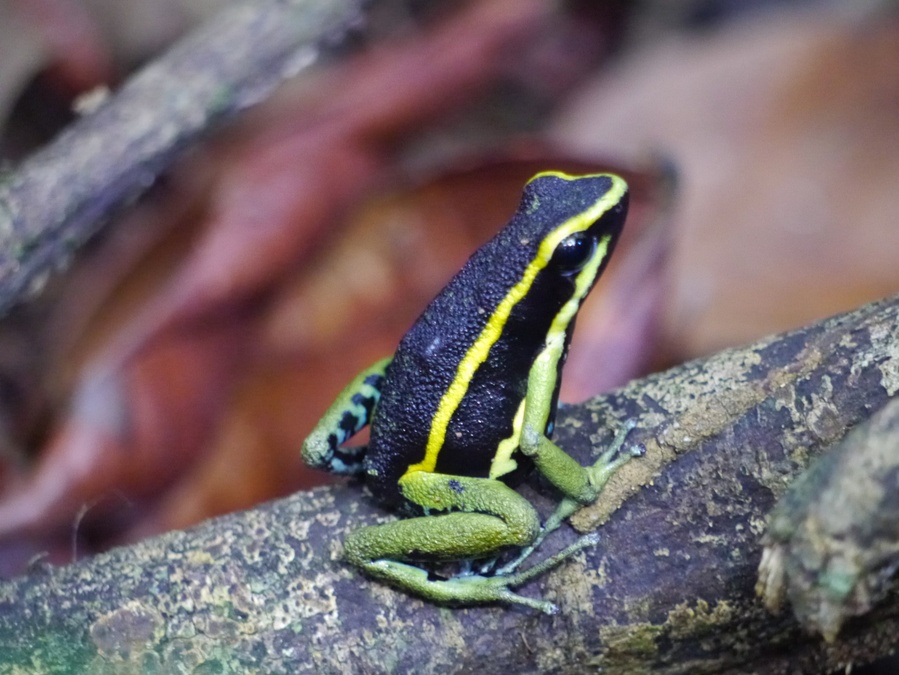
in a hammock under the canopyNo tent comes with us. The forest floor is wet and uneven, so we sleep between two trees: a hammock, a tarp above against the rain and a mosquito net around it. Camp is up before dark, because darkness falls fast here. We filter our drinking water from the brown rivers and creeks and cook our expedition food on the stove. You keep one set of dry clothes that never leaves your hammock, and you look after your feet every evening. Once the light has gone, the forest takes over with frogs and insects, and at first light the howler monkeys start calling.
What makes this
expedition unique?
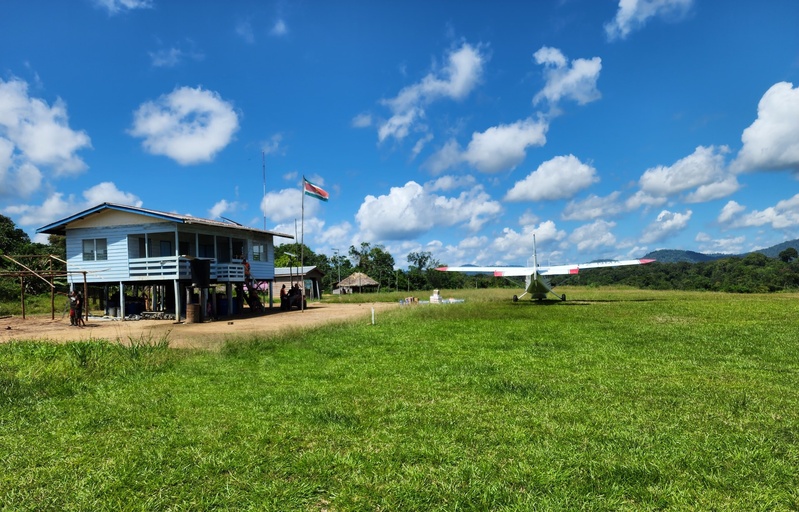
Dropped on a grass strip
A small plane drops us deep in the interior, where no road goes.
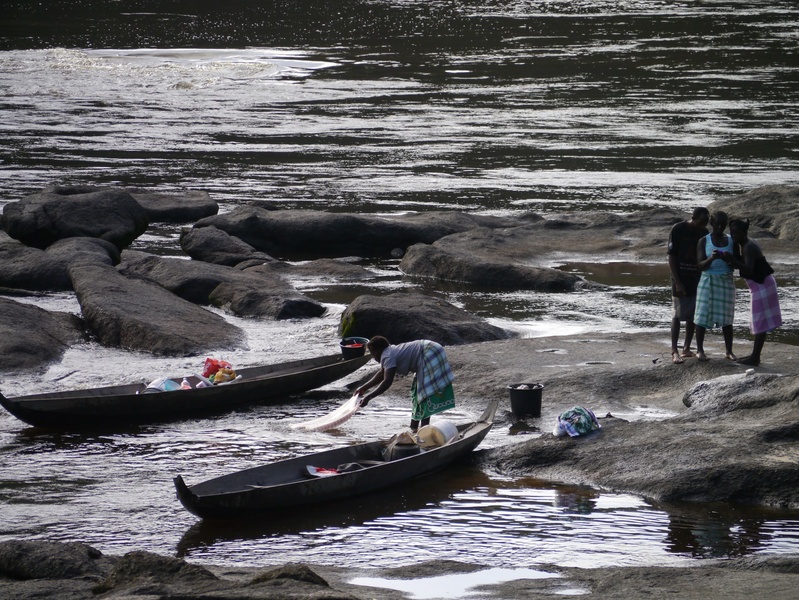
The river as the road
Upstream by canoe, pushing the boat over the rapids together.
Sleeping in a hammock
No tent, but a hammock slung between two trees, under a tarp and mosquito net.
Guests along the river
Villages of Maroon and Indigenous communities who know the forest from the inside.
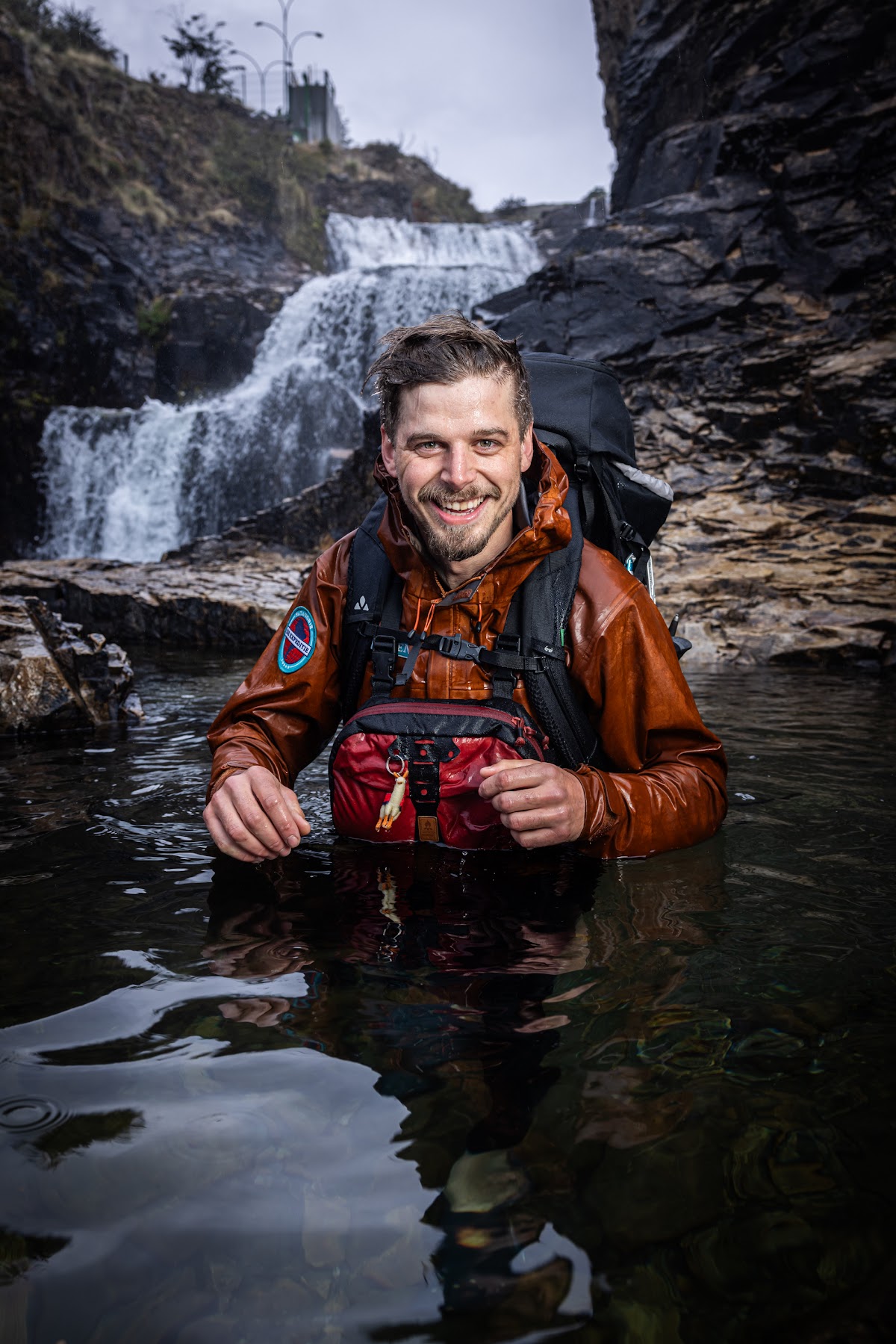
In the rainforest speed gets you nowhere. Push too hard and you lose your energy to the heat, and you pay for it the next day. So we keep a steady rhythm, drink more than we think we need and make sure every hammock is up before dark. We practise that beforehand, so on site it comes naturally.Koen De LeeuwFounder and expedition leader, known from De Expeditie on PlayParacommando · Wilderness First Responder Meet Koen
 De Expeditie
 De Tijd
 Humo
 Play Media
How we
work
Self-sufficient,
never alone
As soon as the plane leaves, we are off grid. We filter drinking water from the river, cook our own expedition food and sling our hammocks wherever the forest allows, with a tarp above and a mosquito net around.
You learn to navigate by compass under a closed canopy, work with the machete and set up camp before dark, guided by an experienced X Guide you meet long before departure, during the preparation programme.
Safety and
guidance
You step into nature, away from the beaten track, but always with experienced guidance and safety first.
Safety is our highest priority. Our X Guides are professionally trained, hold WFR certificates and have years of experience in extreme conditions.
Every expedition has satellite phones, GPS tracking, safety procedures, an evacuation plan and local support in Suriname.
Before departure we also carry out a thorough risk analysis and prepare everything down to the last detail.
Preparation
of 3 to 6 months
The programme starts after you sign up with a kick off. Monthly group training sessions and a technical training follow, with a final check two weeks before departure.
Everything
at a glance
All prices are per person and exclude flights. We book flights together with you during the preparation programme.
- Departure
- 28/10 to 08/11/2028
- Duration
- 12 days
- Level
- Challenge4/5
- Group
- 6 to 12 participants
- Price
- €6,700 ppIncl. preparation programme
Included
- Full preparation programme of 3 to 6 months
- Professional X Guides
- Local crew and boatmen
- Domestic flights and transport by canoe
- Sleep setup: hammock, tarp and mosquito net
- Survival equipment, navigation, jetboils and water filters
- All overnight stays
- All meals during the expedition
- All local transport
- Local activities
- All local tips
Not included
- International flights
- Transport to and from the airport
- Personal clothing (top, bottom, footwear)
- Insurance (cancellation + search and rescue)
Frequently asked questions
See all questionsHow do I get to the interior of Suriname?
You fly to Paramaribo; direct flights leave from Amsterdam and take just over nine hours. From Paramaribo a small plane takes us to an airstrip in the interior that no road reaches. From there we continue by canoe and on foot. The domestic flights and the canoe transport are included. We book your international flight together with you during the preparation programme; it is invoiced separately.
What is the weather like in Suriname at the end of October?
Hot and humid. During the day it is usually 30 to 34 degrees, early in the morning around 21 to 23 degrees. The end of October falls in the long dry season: the least rain of the year, although short showers remain possible. The rivers are lower then, so at the rapids we get out more often. With the high humidity, clothes hardly dry. You receive a packing list with quick drying clothing that covers your skin, and we go through it together at the kick off.
How hard is the expedition?
The level is Challenge (4/5). The difficulty is not altitude or technique but heat, humidity and terrain: walking through closed forest, wading creeks and pushing the canoe over rapids, day after day. Ten kilometres is a full day here. You do not need to be a top athlete: the preparation programme, with training advice and monthly group training sessions, gets you there step by step.
Where do we sleep during the expedition?
In a hammock, not in a tent. The forest floor is wet and uneven, so we sleep between two trees, with a tarp above against the rain and a mosquito net against the mosquitoes. Hammock, tarp and mosquito net are included. You practise setting them up beforehand in the technical training of the preparation programme.
Which vaccinations do I need for Suriname?
Yellow fever vaccination is recommended for everyone going to Suriname, and proof is required if you arrive from a country where yellow fever occurs. The WHO declared Suriname malaria free in June 2025. Get advice from a doctor or vaccination centre well in advance. You share your medical details in the individual phase of the preparation programme.
Is the jungle in Suriname dangerous?
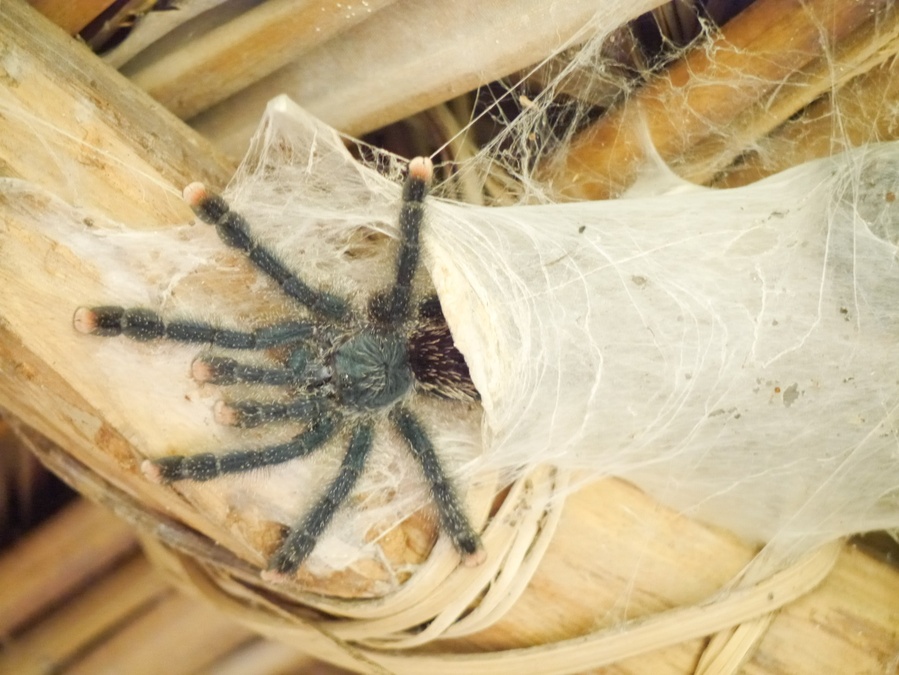
The rainforest demands respect: heat, humidity, small wounds that get infected quickly, insects and animals such as snakes. Safety is our highest priority. Our X Guides hold a Wilderness First Responder certificate, we work with local crew who know the area, we carry satellite communication and we work with an evacuation plan and fixed safety procedures. In the preparation you learn how to look after your feet, your skin and your camp.
What is included and what is not?
Included: the preparation programme of 3 to 6 months, professional X Guides, local crew and boatmen, domestic flights and canoe transport, hammock, tarp and mosquito net, survival equipment, all overnight stays, all meals during the expedition and all local tips. Not included: international flights, transport to and from the airport, personal clothing and insurance (cancellation and search and rescue).
Other expeditions
View all expeditions
Sign up for
expedition updates
Stay one step ahead of the adventure. Receive the latest news and exclusive information about our expeditions in the wilderness.
Unsubscribe whenever you like. Read our privacy policy.
Your expedition to the Amazon
starts with a conversation
Your preparation is included and starts 3 to 6 months before departure.