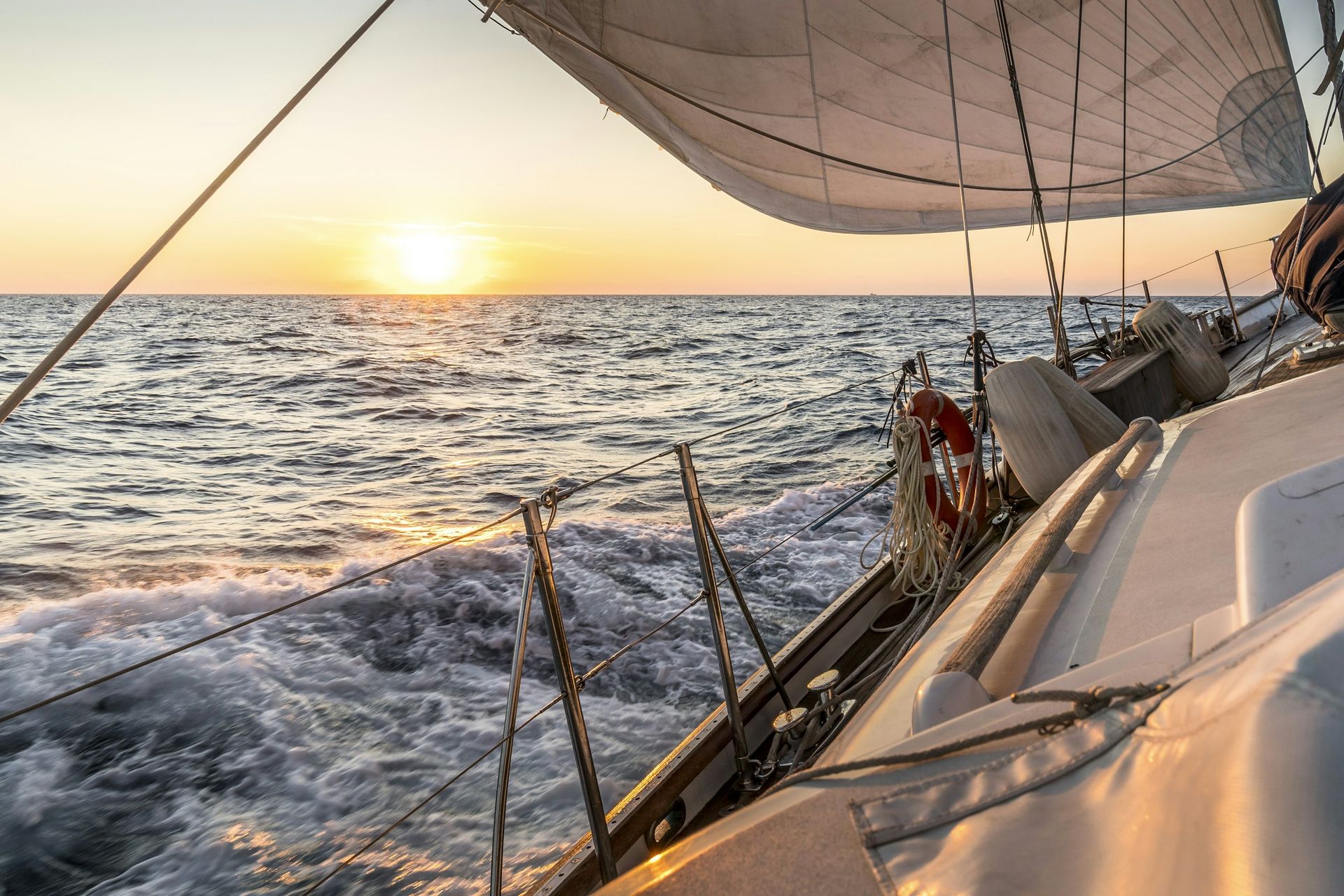
ATLANTIC CROSSING BY SAILING YACHT | DEPARTURE 18 NOVEMBER 2028
Across the ocean
The story of
this expedition
You fly to Las Palmas on Gran Canaria, where the yacht lies in the harbour. There we load food and drinking water for three weeks, go through the safety equipment and set up the watch teams. On 18 November, or a little later if the forecast calls for it, we cast off. A few hours later Gran Canaria sinks below the horizon, and then there is no more land until the Caribbean.
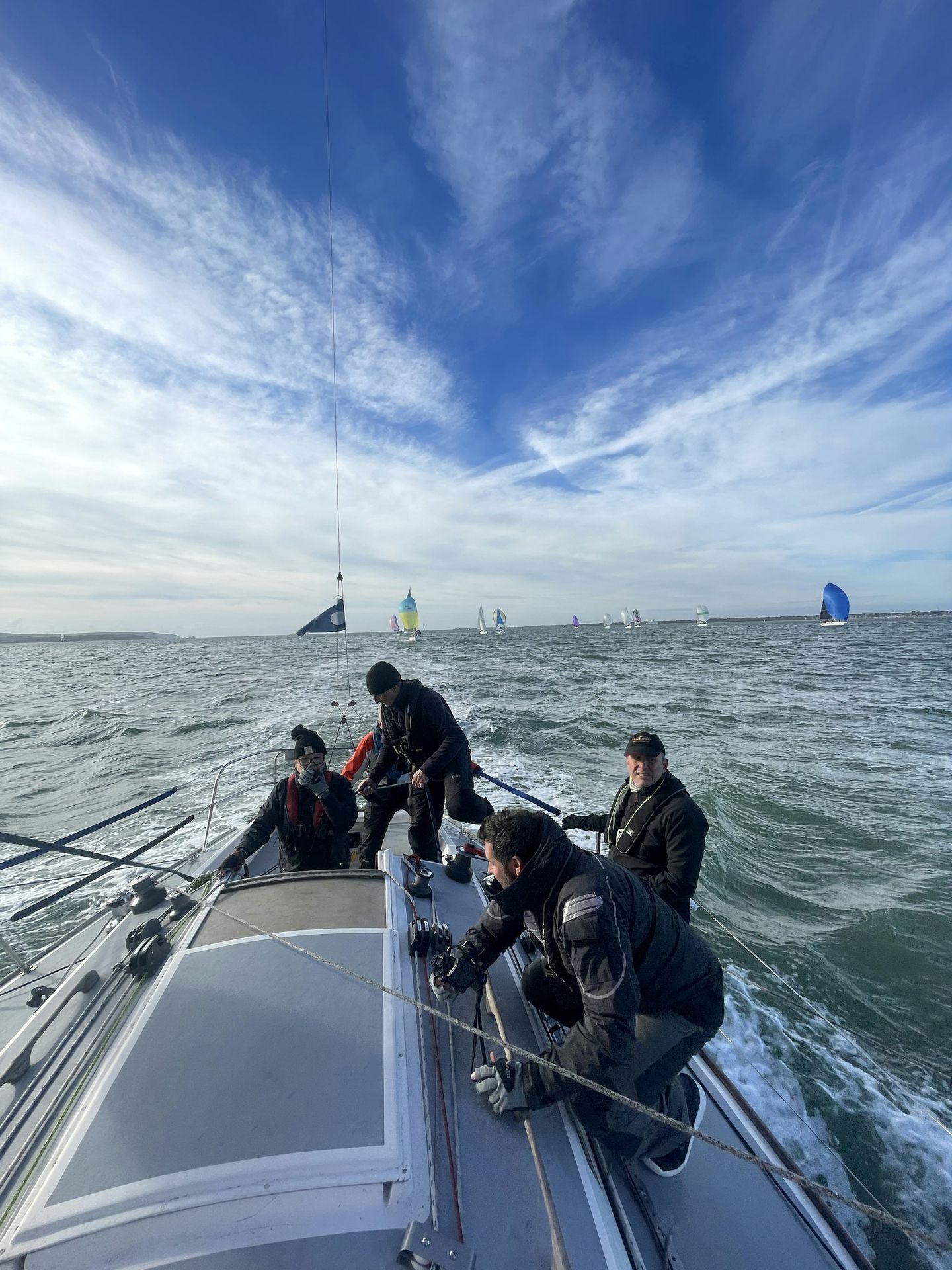
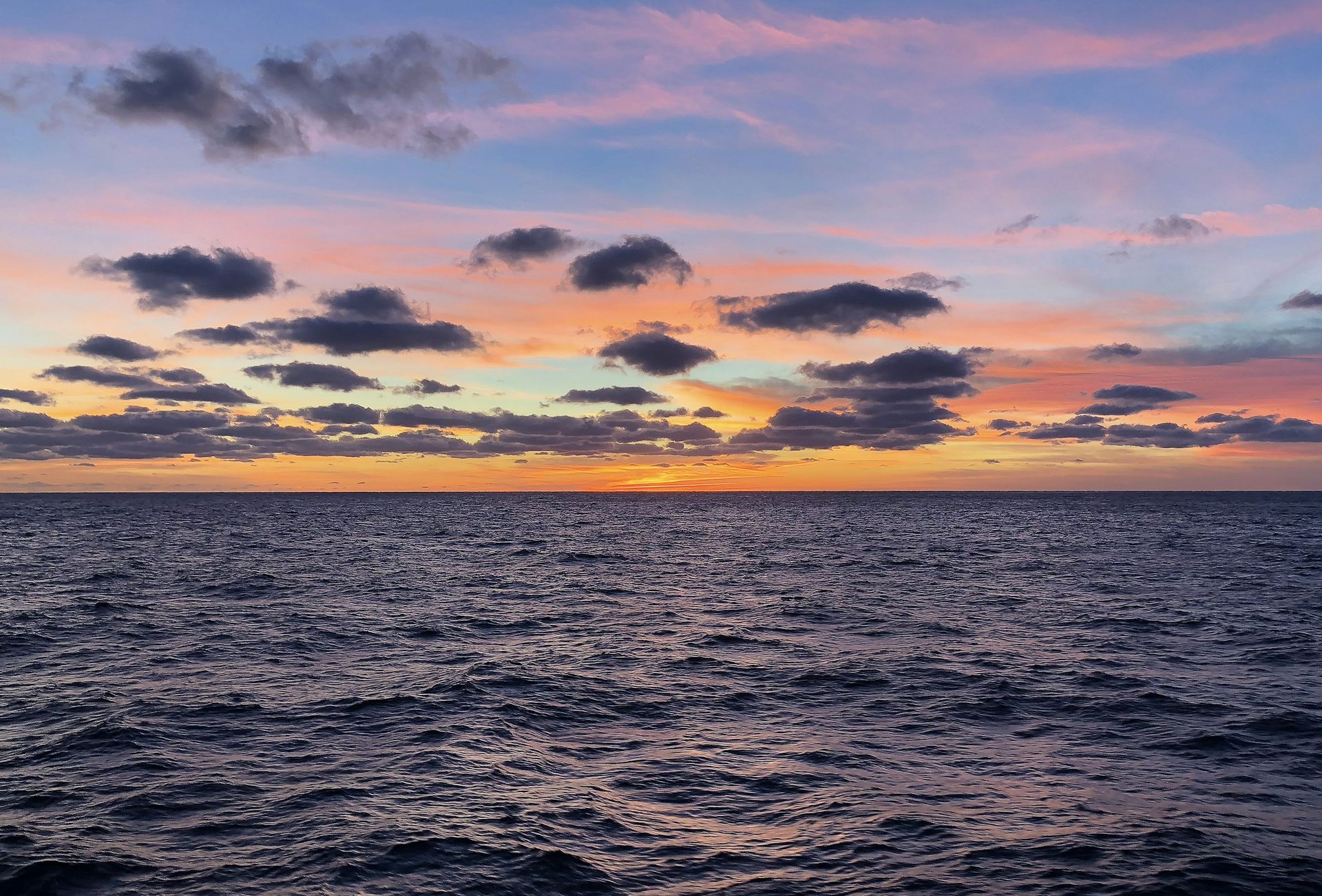
From then on, everything revolves around the watch. In shifts of four hours you take the helm, trim the sails and keep an eye on the course and the horizon, day and night. Between two watches you cook, sleep in a narrow bunk or fix whatever the wind has pulled loose. The trade wind pushes the yacht south west, the water gets warmer, and at night there is not a single light on the horizon.
Two professional skippers and Koen De Leeuw are on board, but you do not sail as a passenger. Sailing, navigating and reading the weather you learn in a twelve month preparation programme, with Sea Survival, VHF radio, astronavigation and a Channel crossing. After about three weeks and some 2,700 nautical miles, Saint Lucia appears and we sail into Rodney Bay.
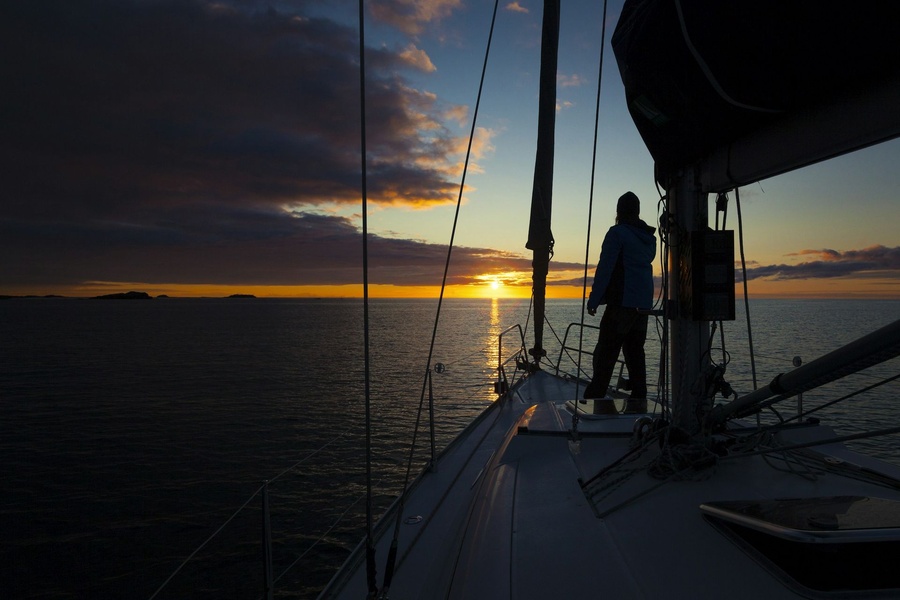
Standing watch
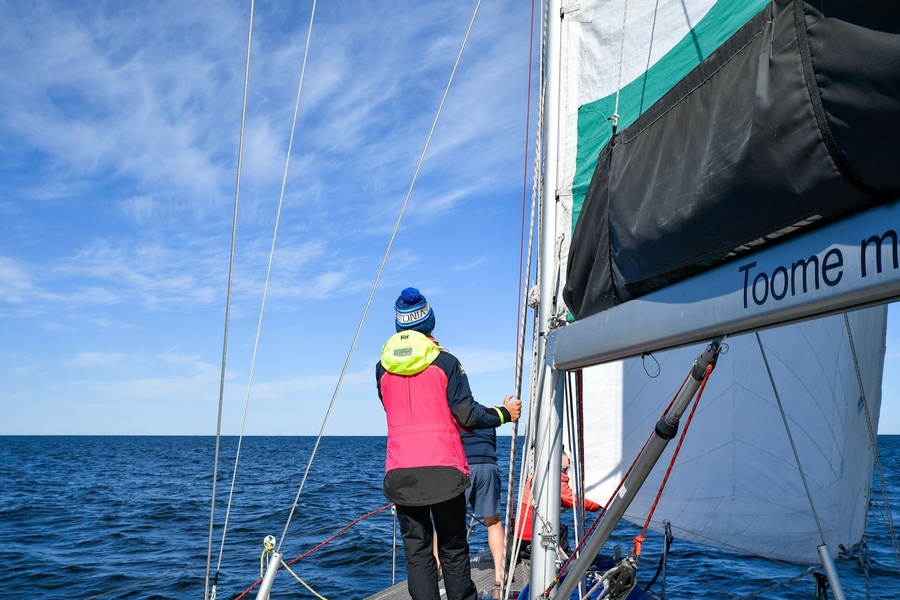
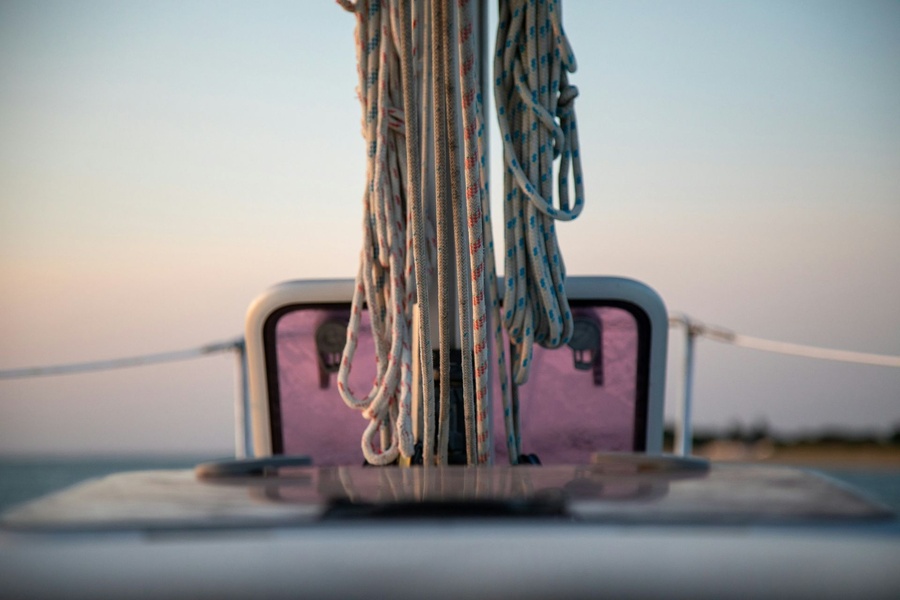
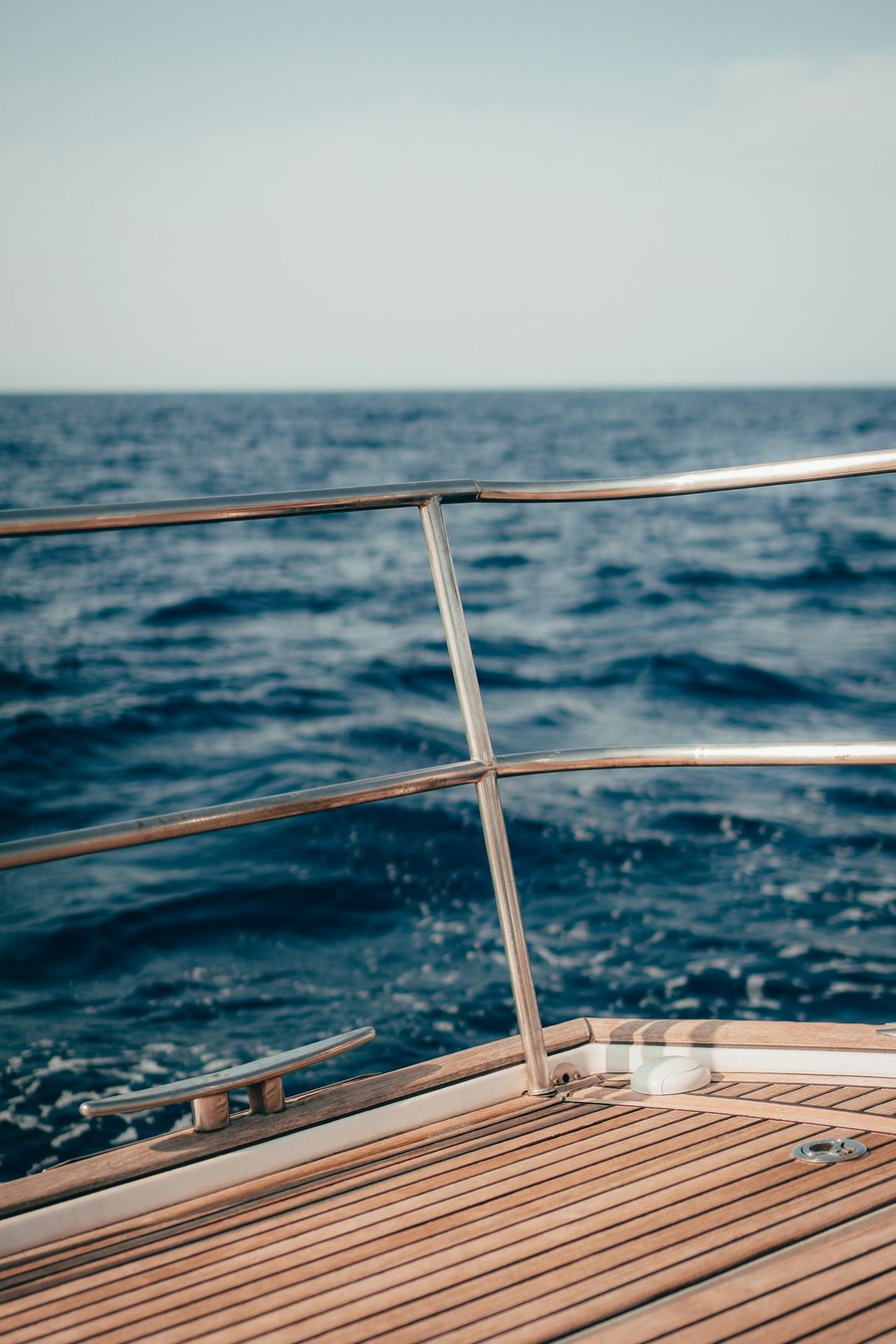
day and night, every four hoursThe crew is split into watch teams that relieve each other every four hours, in the middle of the night too. On watch you take the helm, hold the course and look out for ships, squalls and a shifting wind. After midnight the deck is dark and quiet, with only the sound of water along the hull and a sky full of stars. You learn to stay awake and alert when your body asks for sleep, and to hand over your watch calmly to the team after you. One of the two skippers is always on watch, day and night.
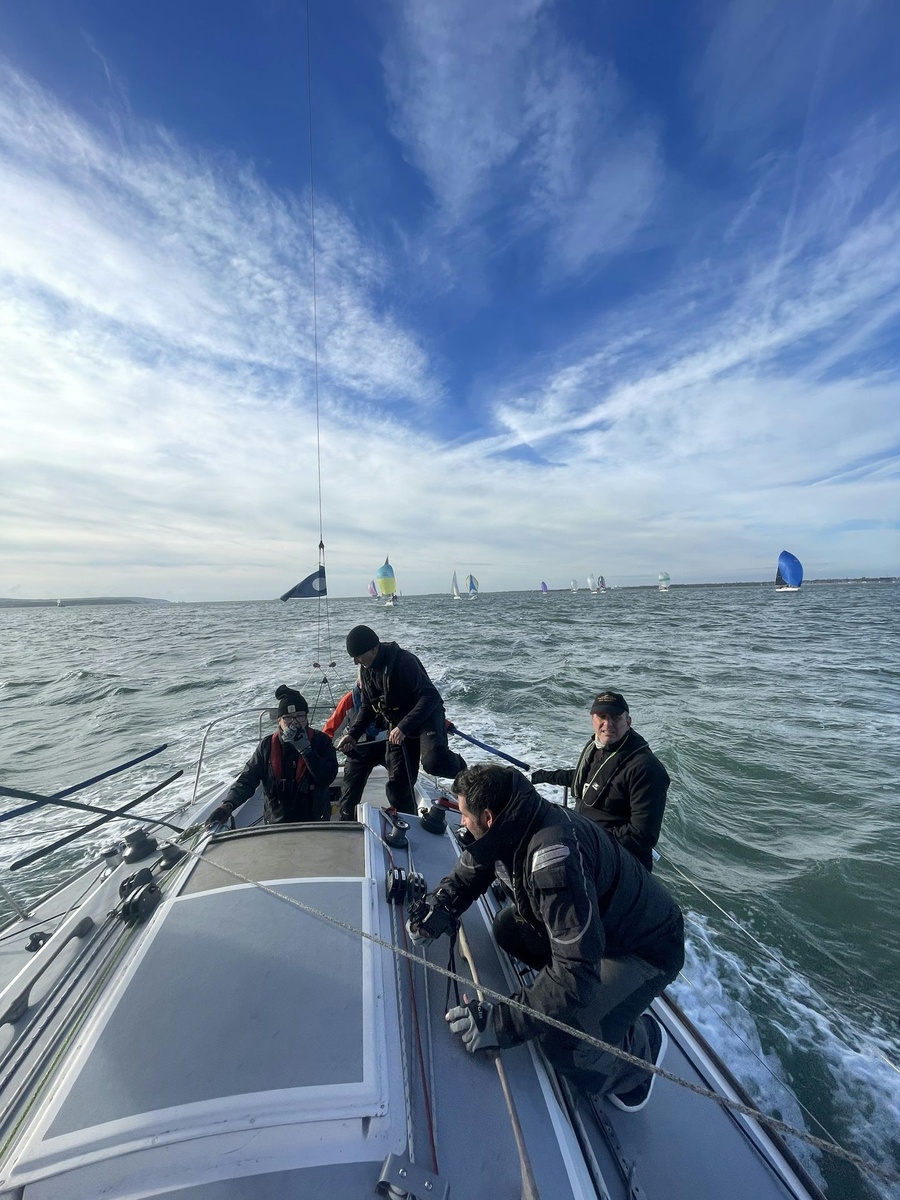
Sailing
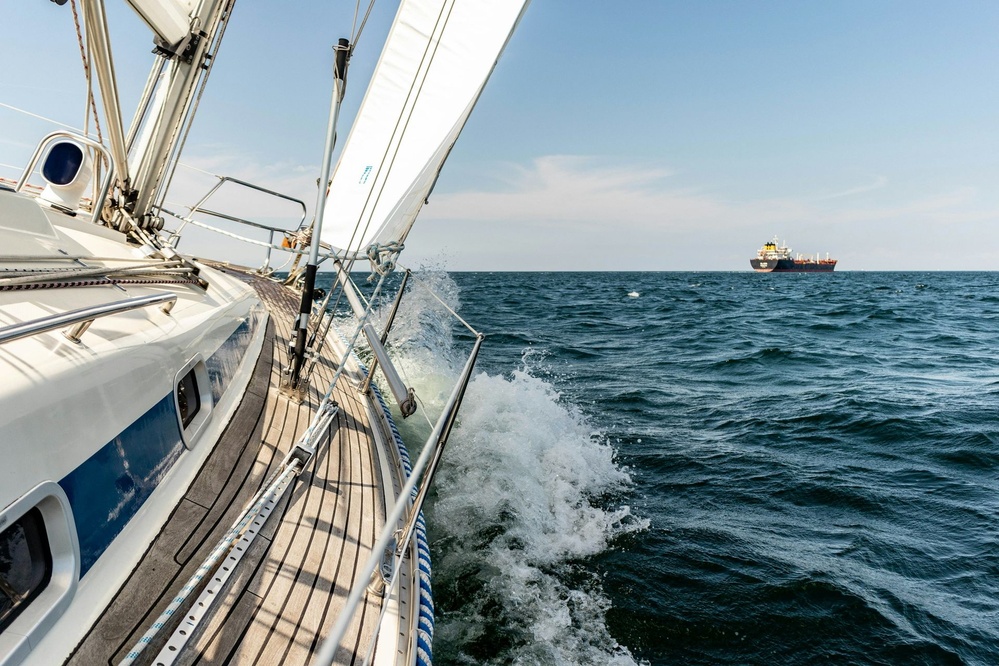
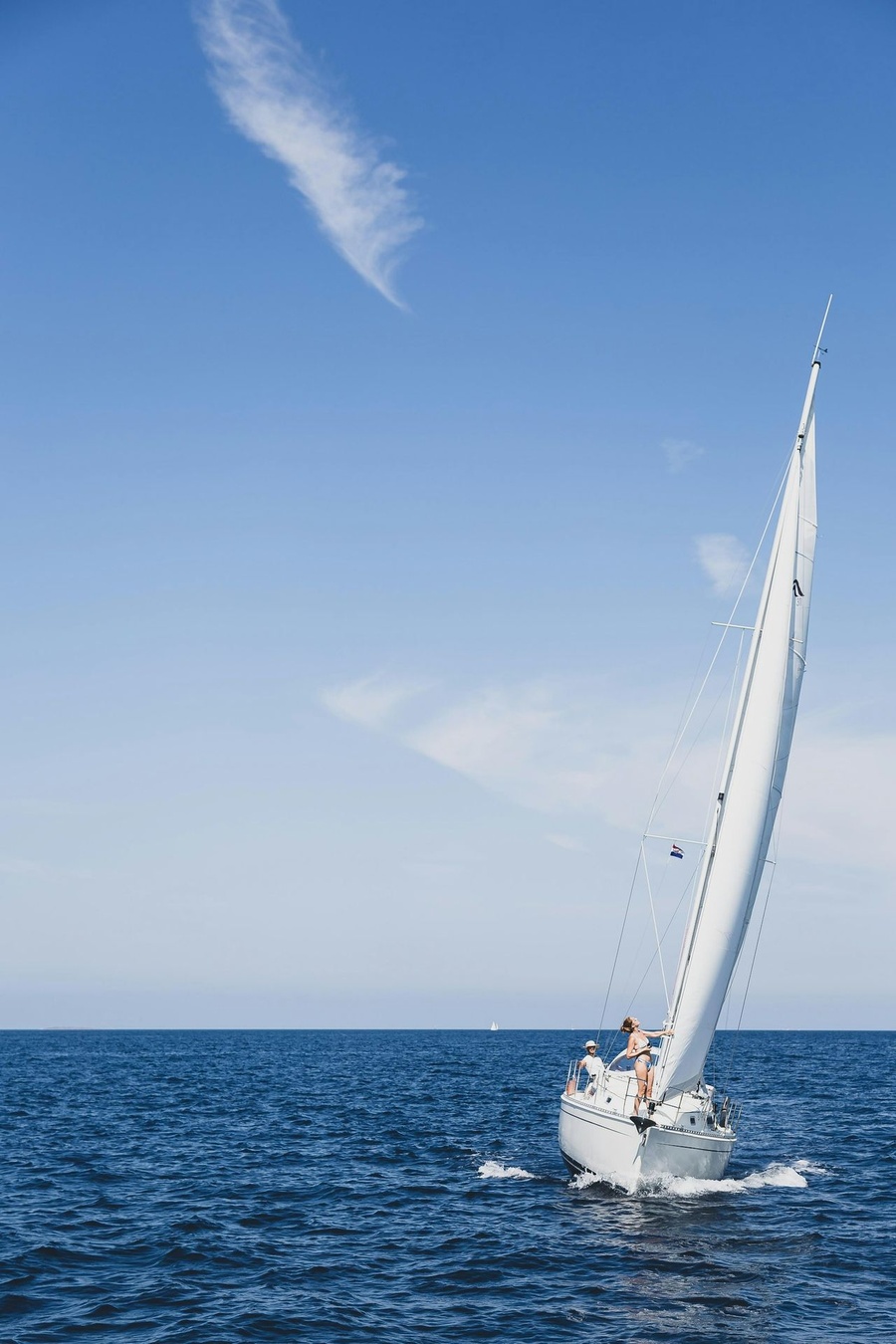
navigating and reading the weatherOn the trade wind route you sail the same course for days, with the wind and the waves behind you. Yet it never stays the same: a squall passes, the wind picks up or dies away, and the sails need to change. Reefing, trimming and steering you do yourself, with the skippers beside you. You fix your position with the techniques from the preparation, astronavigation included, and follow the weather forecasts that come in by satellite together with the skippers. That is how you learn to make decisions at sea, with the information you have at that moment.
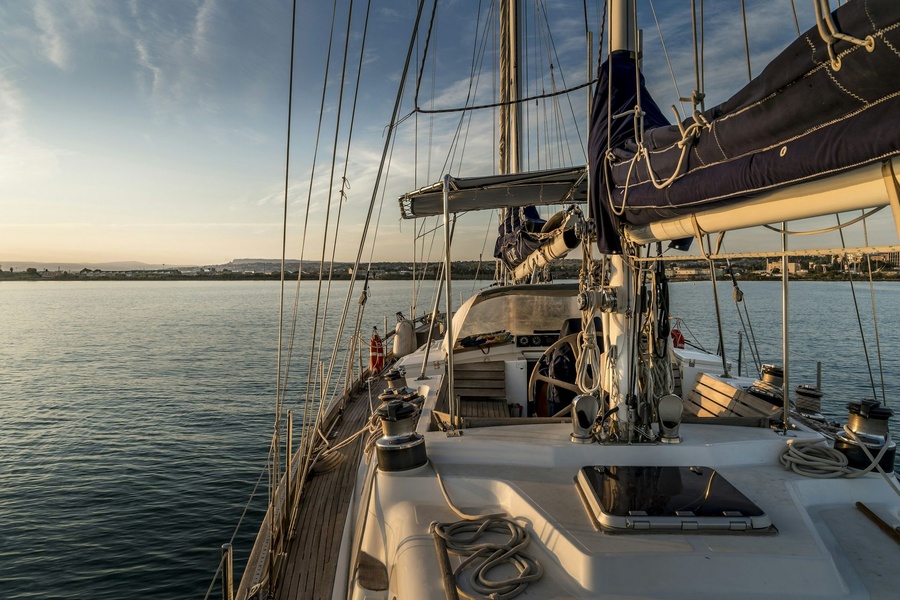
Life on board
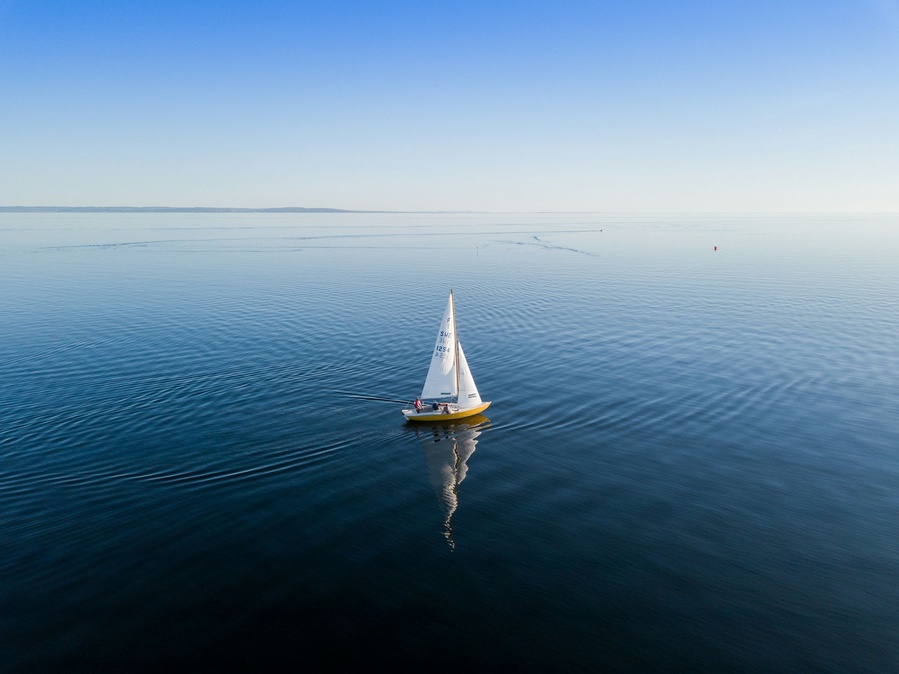
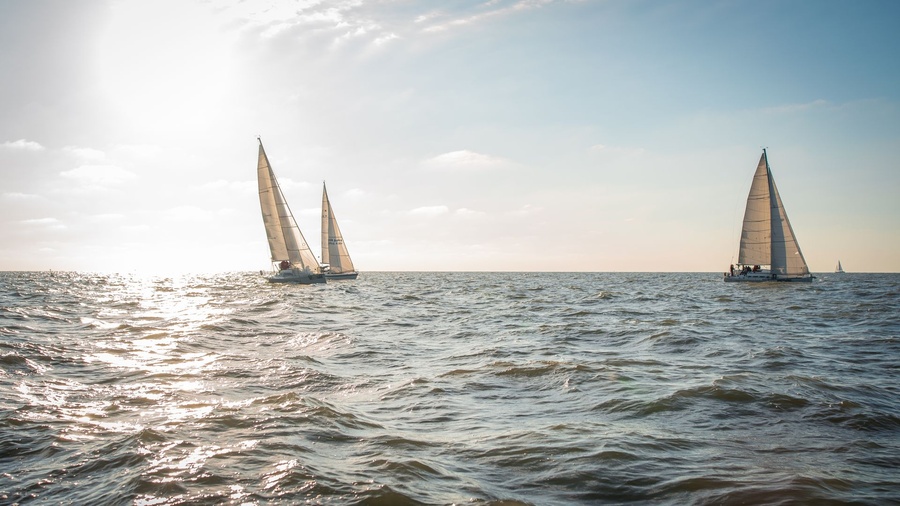
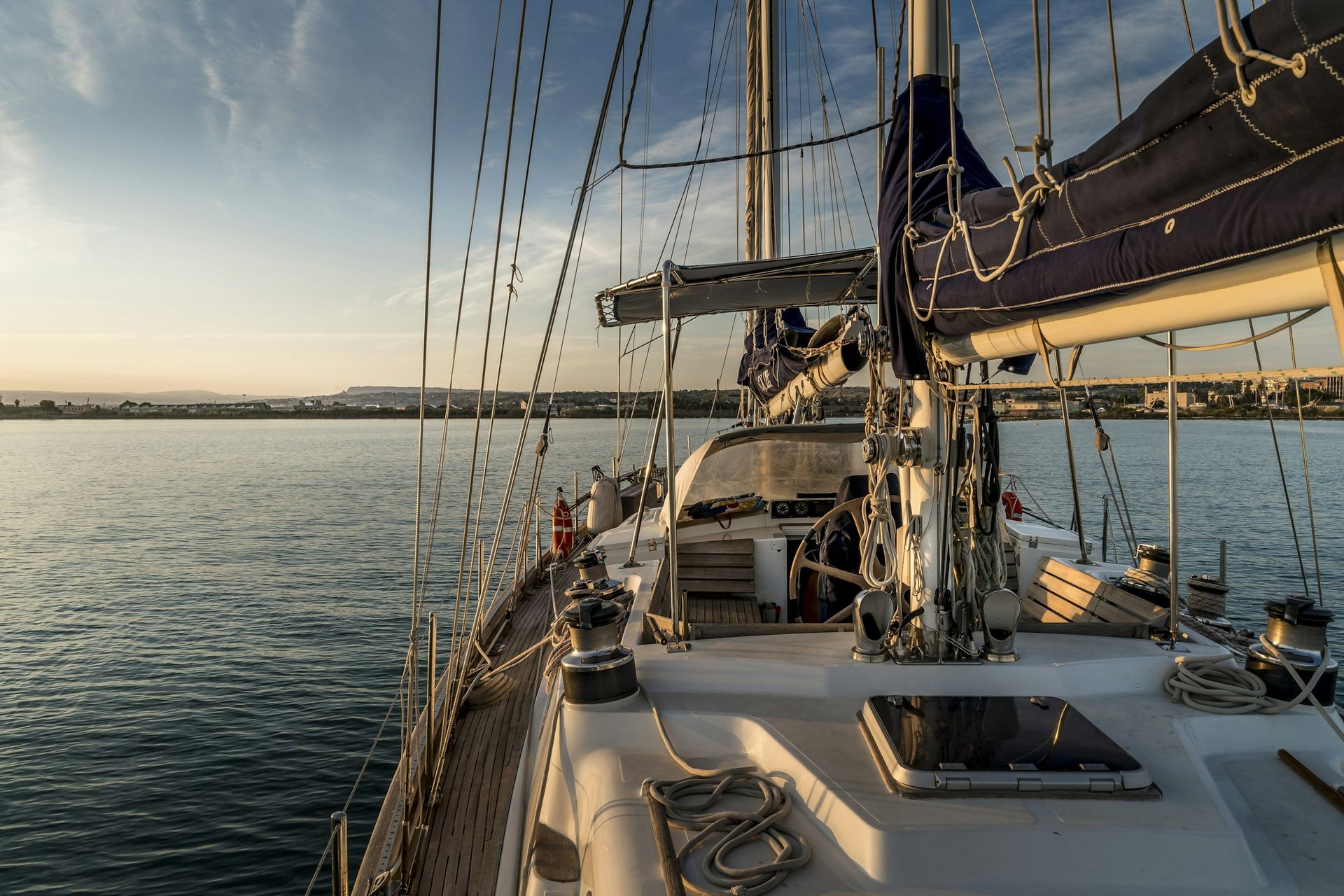
three weeks on a yachtFor three weeks the yacht is where you sleep, cook and work. You sleep in a narrow bunk at changing hours, cook with the crew while the deck moves with the waves, and share every square metre with the others. Water, food and energy are planned ahead, and whatever breaks, we repair ourselves on board. There is no signal, apart from the satellite link for safety and weather. Calm, sudden squalls and days of flat sea follow one another, and the water gets a little warmer every day.
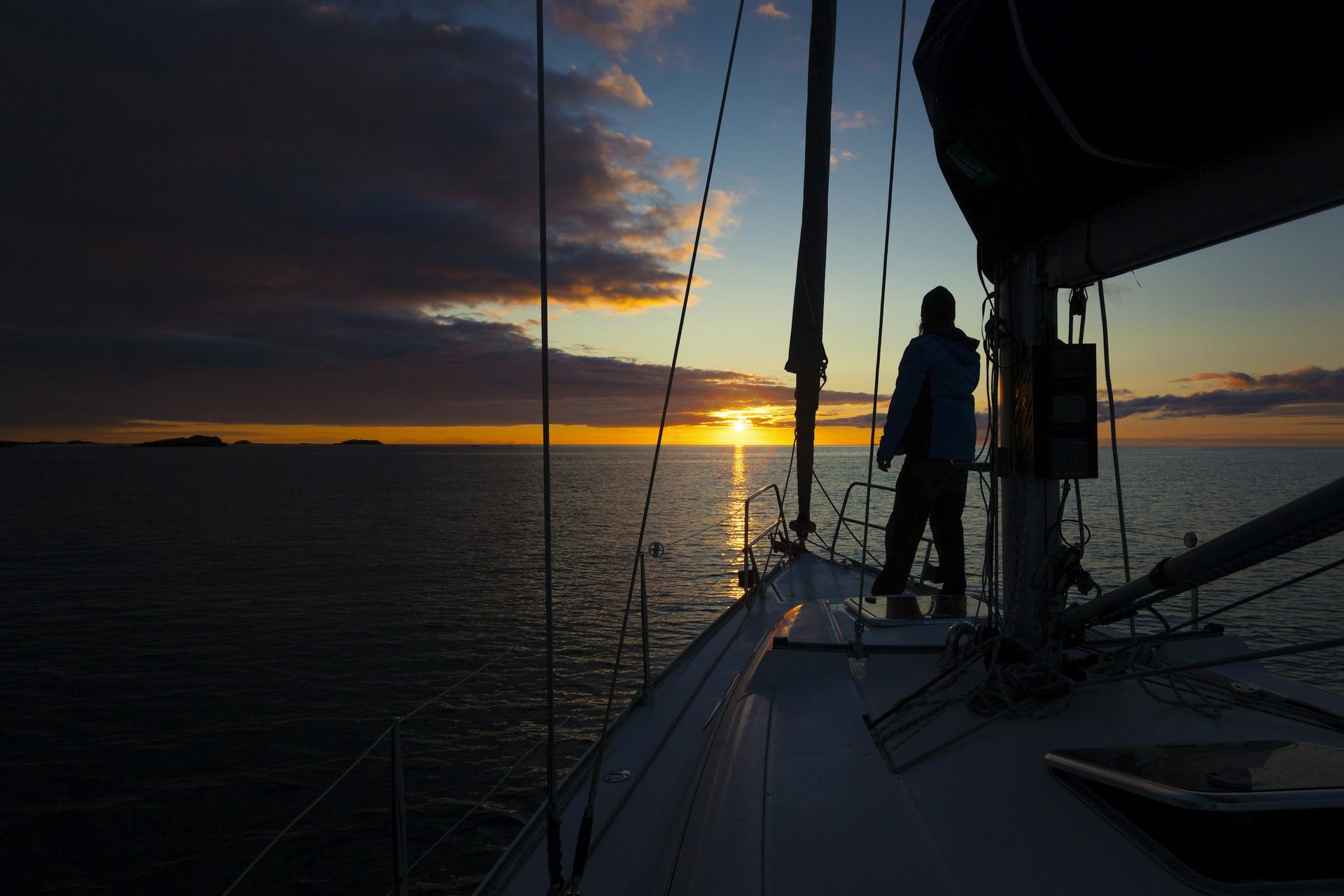
What makes this
expedition unique?
Three weeks of open ocean
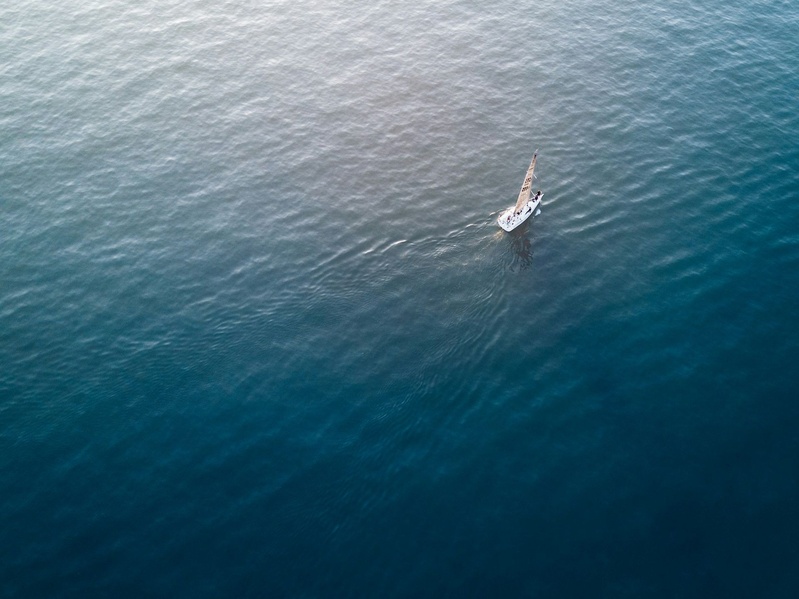
From Gran Canaria to Saint Lucia, for weeks without land in sight.
Learn to sail yourself
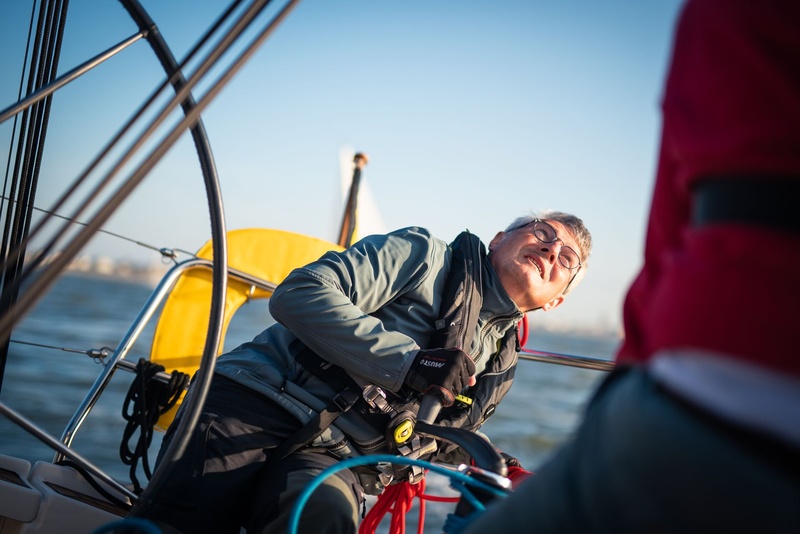
Sailing, navigation and VHF radio you learn in twelve months of preparation.
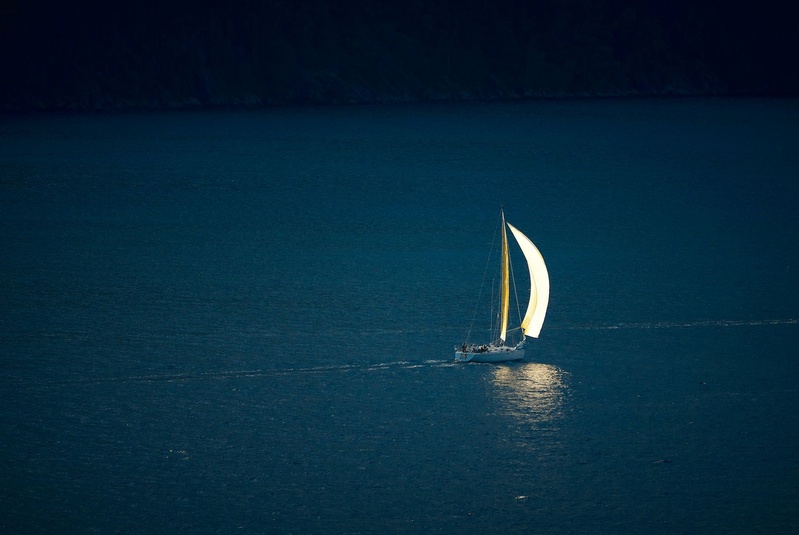
Watch day and night
You stand watch in teams of four hours, under the stars as well.
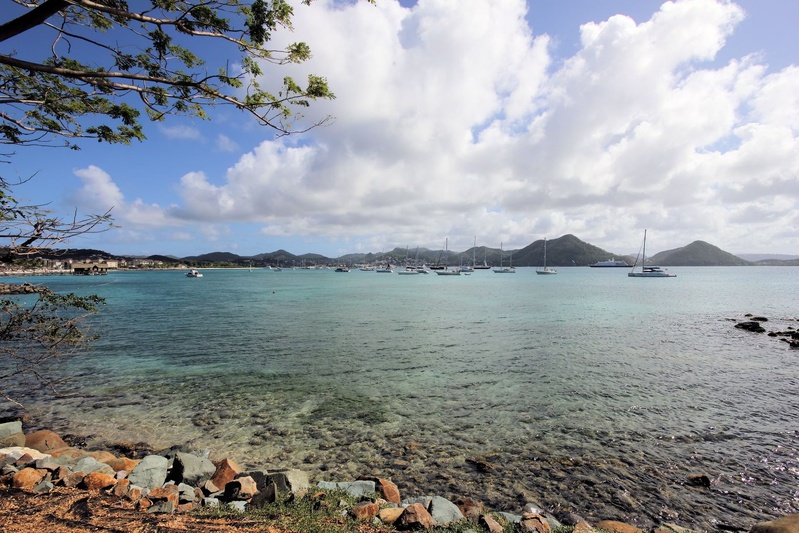
Landfall in Rodney Bay
The crossing ends in a bay on Saint Lucia, in the Caribbean.
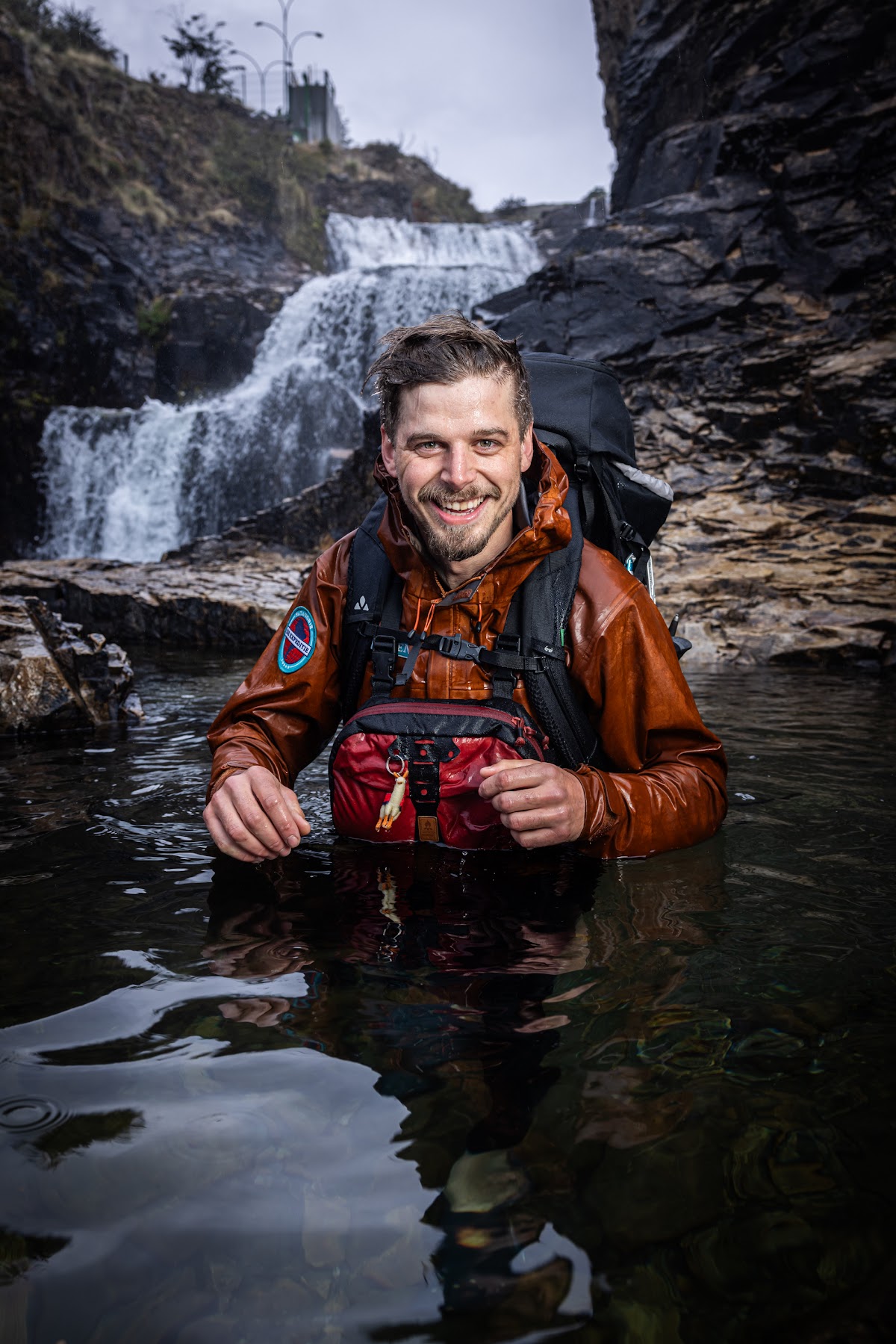
On a three week crossing, sleep is the most important thing you manage. If you take too little rest in the first nights, you are tired at the helm after a week, and that is when small mistakes become big ones. That is why we practise the watch system during the preparation, on the Channel crossing, so that on board you know how to rest between two watches.Koen De LeeuwFounder and expedition leader, known from De Expeditie on PlayParacommando · Wilderness First Responder Meet Koen
 De Expeditie
 De Tijd
 Humo
 Play Media
How we
work
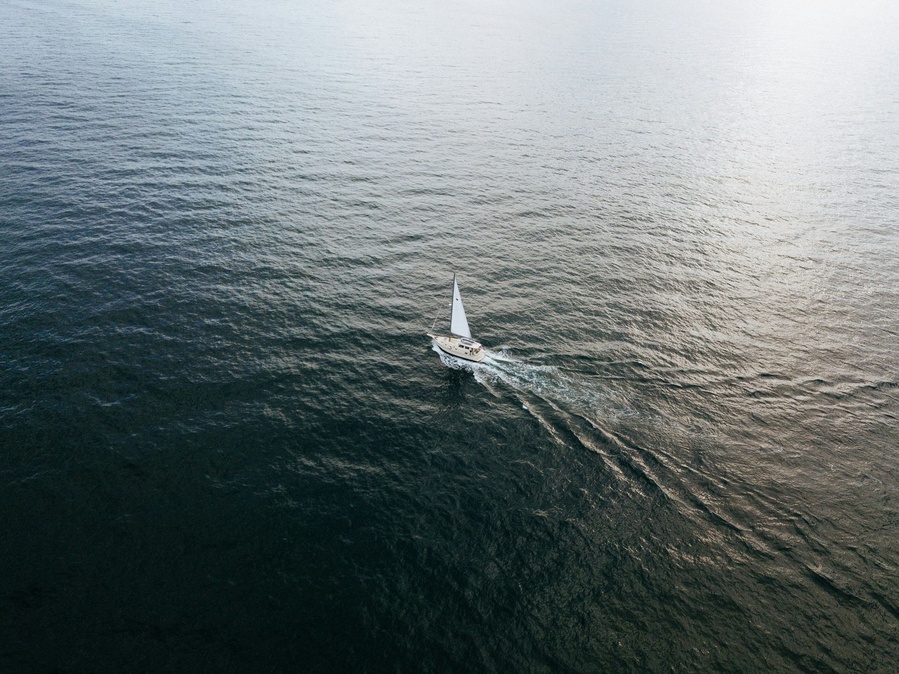
Self-sufficient,
never alone
Once Gran Canaria disappears below the horizon, the yacht is your whole world. Drinking water, food and energy are planned ahead for three weeks, and whatever breaks, we repair ourselves on board.
You learn to sail, navigate and read the weather in four hour watches, with two professional skippers and an Element X expedition leader you already know from the preparation programme.
Safety and
guidance
You head out onto the ocean, far from solid ground, but always with experienced guidance and safety first.
Safety is our highest priority. You sail with two professional skippers, one of whom is always on watch, and with Koen De Leeuw on board.
On board there is satellite communication, a life raft, an EPIRB emergency beacon and detailed emergency procedures. Weather routing helps decide when we leave, and from our basecamp in Belgium someone can be reached day and night.
Before departure we carry out a thorough risk analysis and prepare everything down to the last detail.
Preparation
of 12 months
The programme starts after you sign up with a kick off. Monthly group training sessions and a technical training follow, with a final check two weeks before departure.
Everything
at a glance
All prices are per person and exclude flights. We book flights together with you during the preparation programme.
- Departure
- Departure 18/11/2028
- Duration
- 3 weeks of open ocean
- Level
- Challenge4/5
- Group
- Max. 8 participants
- Price
- €19,500 ppIncl. preparation programme
Included
- Twelve month preparation programme in which you learn to sail
- Sea Survival, VHF radio, first aid at sea and astronavigation courses
- Training at sea, including a three day Channel crossing
- Two professional skippers, on watch day and night
- An Element X expedition leader on board
- Accommodation on board during the crossing
- All meals and drinks on board
- Fuel and mooring fees in Las Palmas and Rodney Bay
- Satellite communication, life raft and EPIRB emergency beacon
Not included
- Flights to Las Palmas and back from Saint Lucia
- Transport to and from the airport
- Extra hotel nights before or after the crossing
- Personal clothing and equipment
- Insurance (cancellation + search and rescue)
Frequently asked questions
See all questionsHow long does it take to sail across the Atlantic?
Count on about three weeks of open sea between Las Palmas on Gran Canaria and Rodney Bay on Saint Lucia, a distance of some 2,700 nautical miles. The wind and the weather decide the exact duration: with little wind it takes longer. We book the flights to Las Palmas and back from Saint Lucia together with you during the preparation programme; they are invoiced separately.
Why do we cross in November?
November is the classic window for the crossing to the Caribbean. The trade winds are steady and the chance of heavy depressions is at its lowest; the Atlantic hurricane season runs until the end of November. We leave on 18 November 2028; based on weather routing the skippers can move the departure by a few days.
What is the weather like during the crossing?
On the trade wind route the wind and the waves usually come from behind. Calm, sudden squalls and days of flat sea follow one another. The further south west we sail, the warmer it gets, but on deck at night you still need a warm layer and waterproofs. We go through your packing list together during the preparation.
Do I need to know how to sail?
No. You do not need to be an experienced sailor. In the twelve month preparation programme you take the Sea Survival, VHF radio, first aid at sea and astronavigation courses, and you sail a three day Channel crossing. Physically the crossing mainly asks for endurance: little sleep, a moving deck and three weeks of a fixed rhythm. The level is Challenge (4/5).
Is it dangerous to sail across the Atlantic?
Safety is our highest priority. You sail with two professional skippers, one of whom is always on watch, and with Koen De Leeuw on board. There is satellite communication, a life raft, an EPIRB emergency beacon and detailed emergency procedures, and weather routing helps decide the moment of departure. From our basecamp in Belgium someone can be reached day and night.
How does the watch system work on board?
The crew is split into teams that relieve each other every four hours, day and night. On watch you steer, trim the sails and keep an eye on the sea and the weather. Off watch you sleep, cook or help with maintenance. You already practise the watch system during the training at sea, so the rhythm on board comes as no surprise.
Where do we sleep and eat during the crossing?
On board. You sleep in a bunk on the yacht, at changing hours because of the watch system, and you cook together with the crew. All meals and drinks on board are included. There is no signal, apart from the satellite link for safety and weather forecasts.
What is included and what is not?
Included: the twelve month preparation programme with the Sea Survival, VHF radio, first aid at sea and astronavigation courses, the training at sea with a Channel crossing, two professional skippers, an Element X expedition leader, accommodation on board, all meals and drinks on board, fuel and mooring fees. Not included: flights, transport to and from the airport, extra hotel nights, personal clothing and equipment, and insurance (cancellation and search and rescue).
Other expeditions
View all expeditions
Sign up for
expedition updates
Stay one step ahead of the adventure. Receive the latest news and exclusive information about our expeditions in the wilderness.
Unsubscribe whenever you like. Read our privacy policy.
Your expedition across the ocean
starts with a conversation
Your preparation is included and starts 12 months before departure.