EXPEDITION ICELAND | JULY TO AUGUST 2027
Where the road ends
A boat drops you where the last road ended long ago. Days later you come ashore on the other side: on foot, by packraft and across the ice.
The story of this expedition
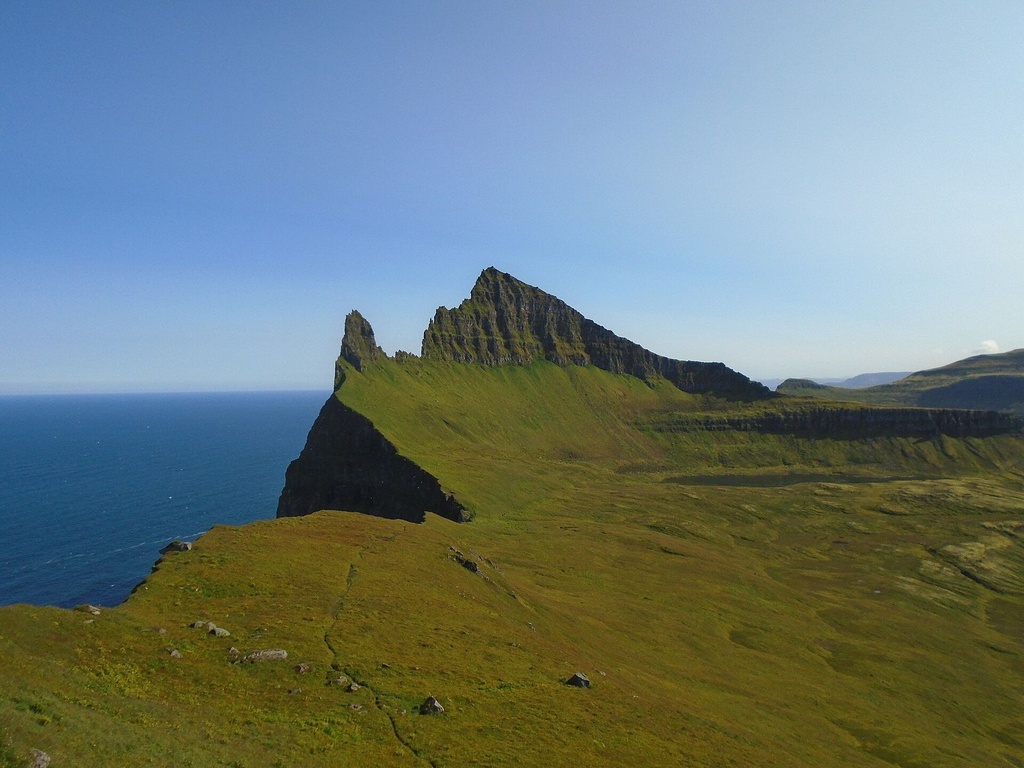
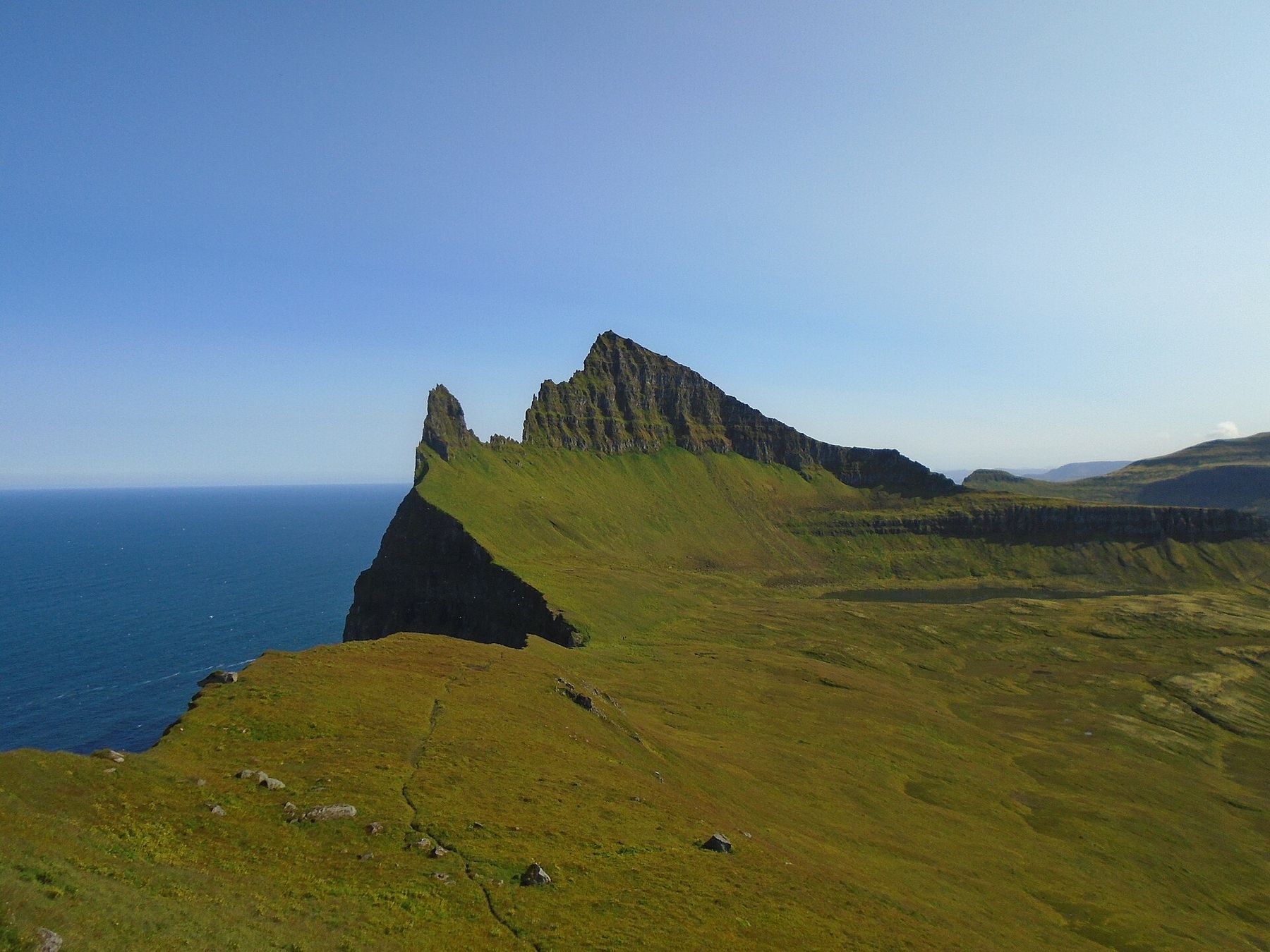
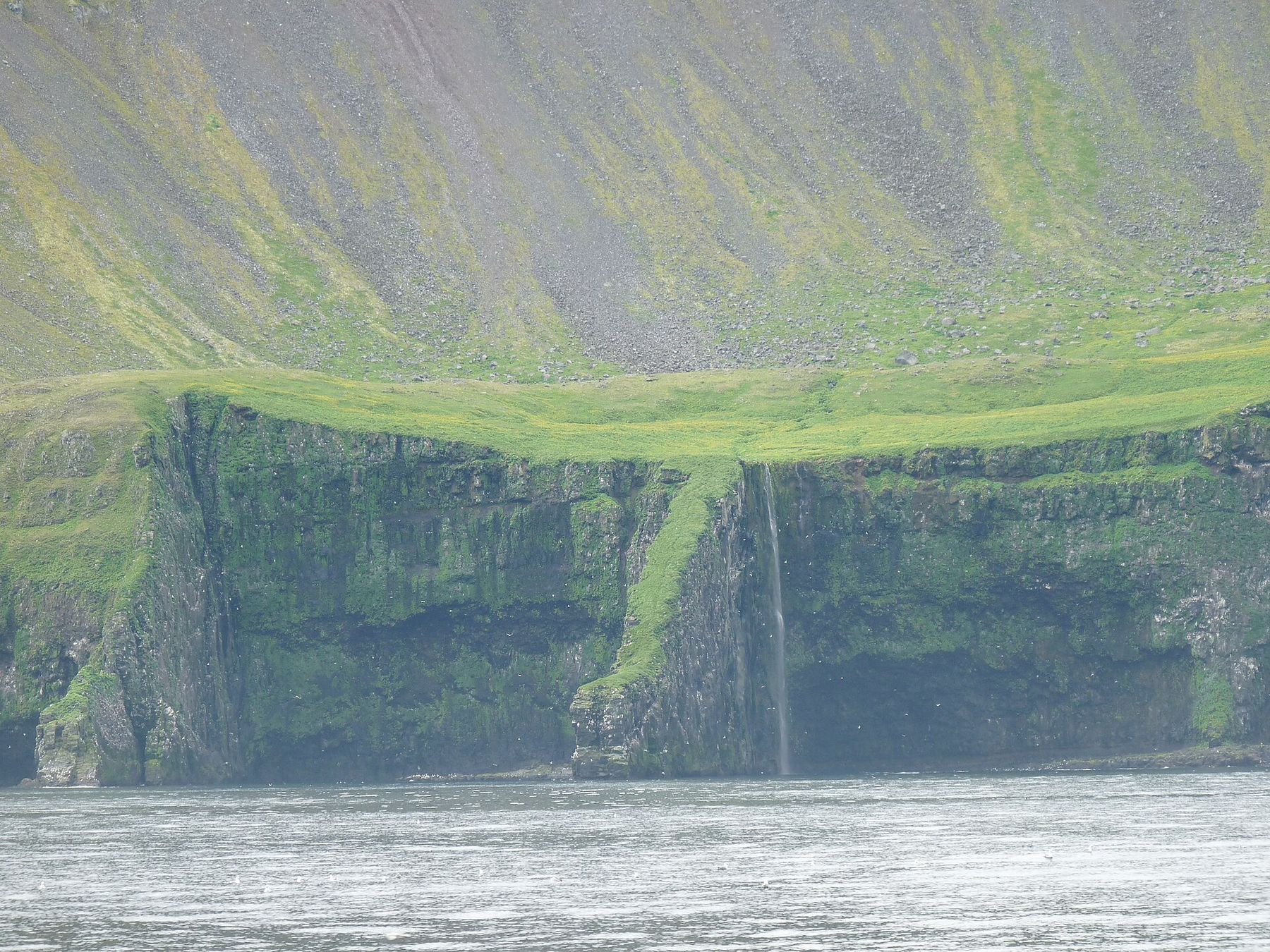
From Brussels you fly to Iceland and travel on to the far northwest. There the asphalt ends, then the gravel, and then there is only a small boat. It drops us on a beach at the foot of a green cliff wall, waits until the last pack is ashore, and turns back. From that moment there are no roads, no inhabitants, no signal and no hut to walk back to. From then on we move on our own strength alone: over passes without a path, through rivers that are narrower in the morning than in the evening, by packraft across fjords and over the edge of a glacier that reaches almost down to the water.

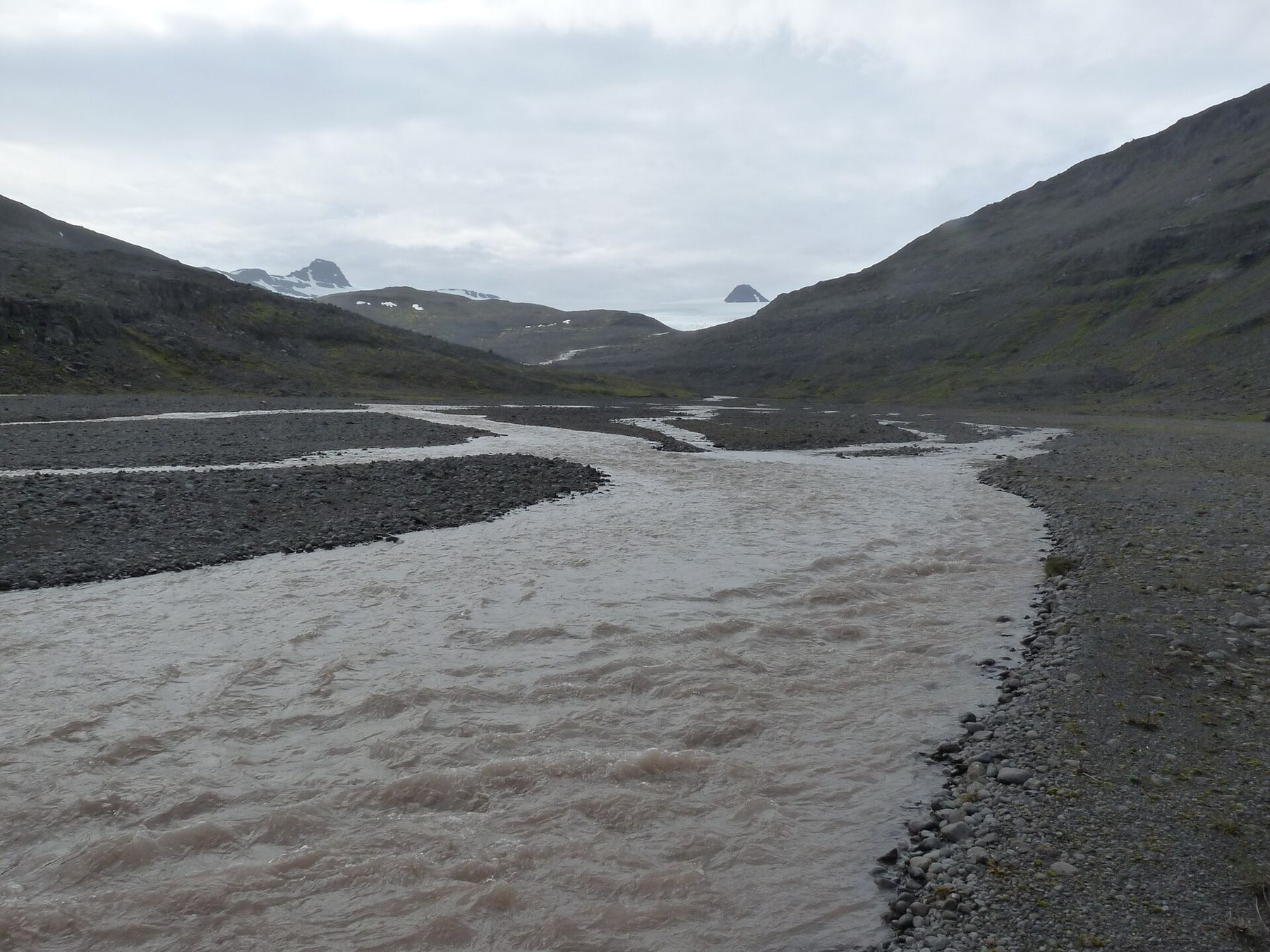
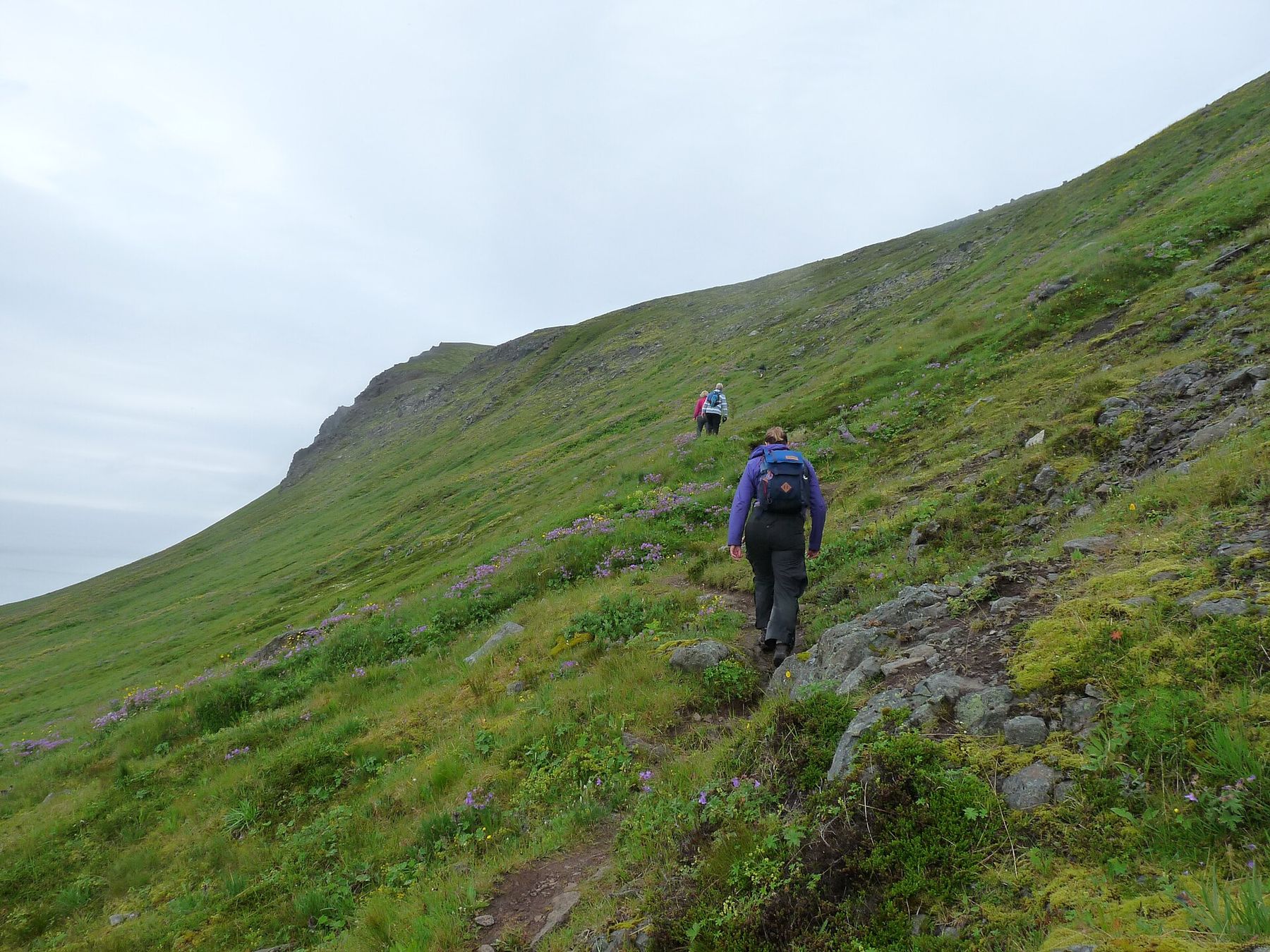
There are no signposts, no bridges and no huts. The passes between the bays are steep, boggy at the foot and rocky at the top, and the rivers that run out of them we ford barefoot or in sandals, up to the thigh when we have to. We walk six to eight hours a day with a pack of twenty to twenty five kilos, because everything we need along the way we carry ourselves: tent, packraft, food, stove. You learn to read the terrain before you step into it: where the river is widest and therefore shallowest, where the snowfields still hold and where a slope becomes too steep for the load on your back.
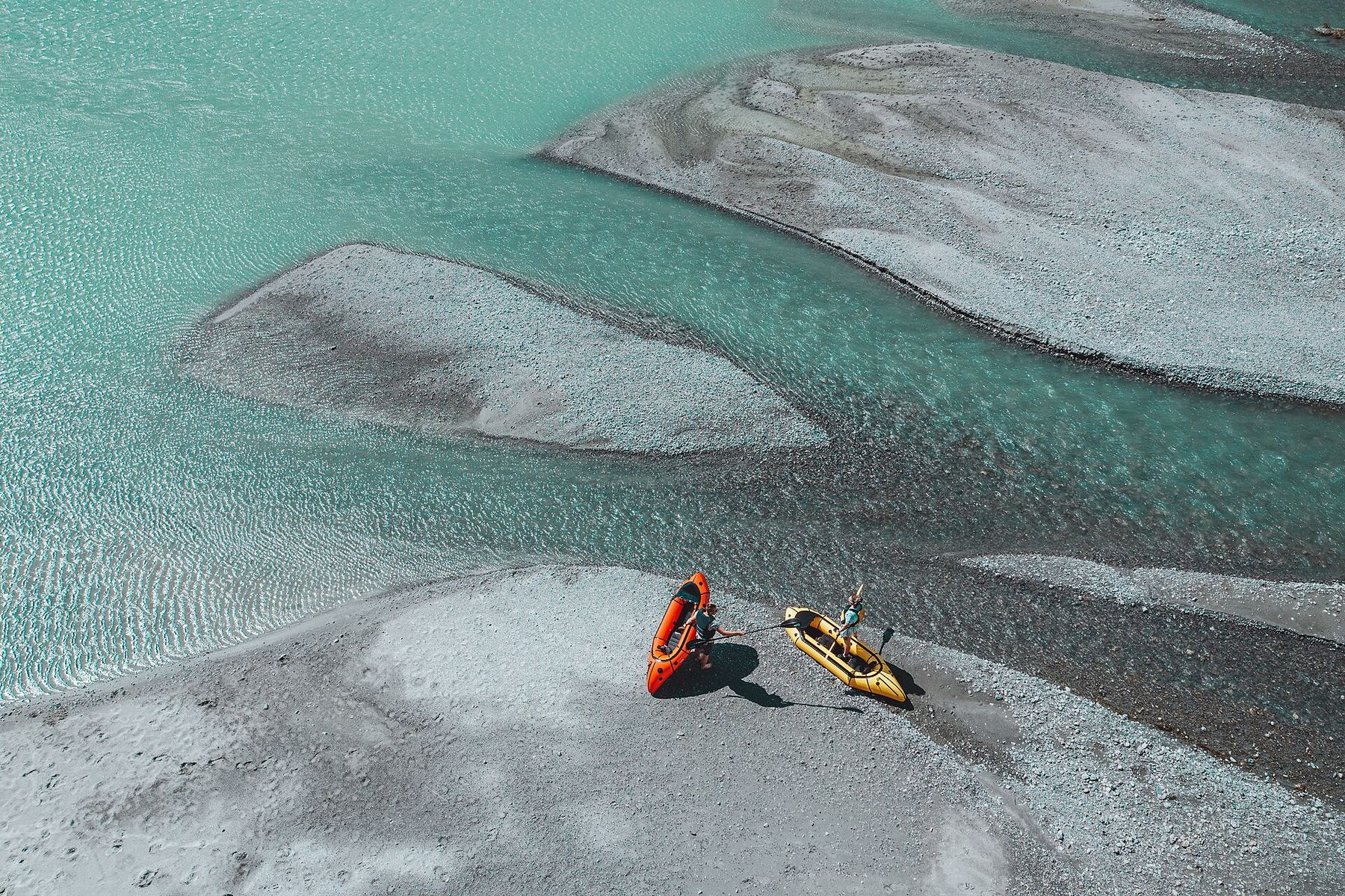
Where the coast becomes too steep to walk, we inflate the packrafts and take to the water. Small, light boats of barely three kilos that carry you across a fjord in an hour, after which you pack everything up again and walk on. The water is four to eight degrees and the wind can turn within half an hour, so we leave early, while it is still calm, and paddle close to the shore. On the way you see the cliffs from below: bird colonies, waterfalls dropping straight into the sea and here and there a seal keeping an eye on us. You learn to read the swell, judge the distance and decide when not to go.
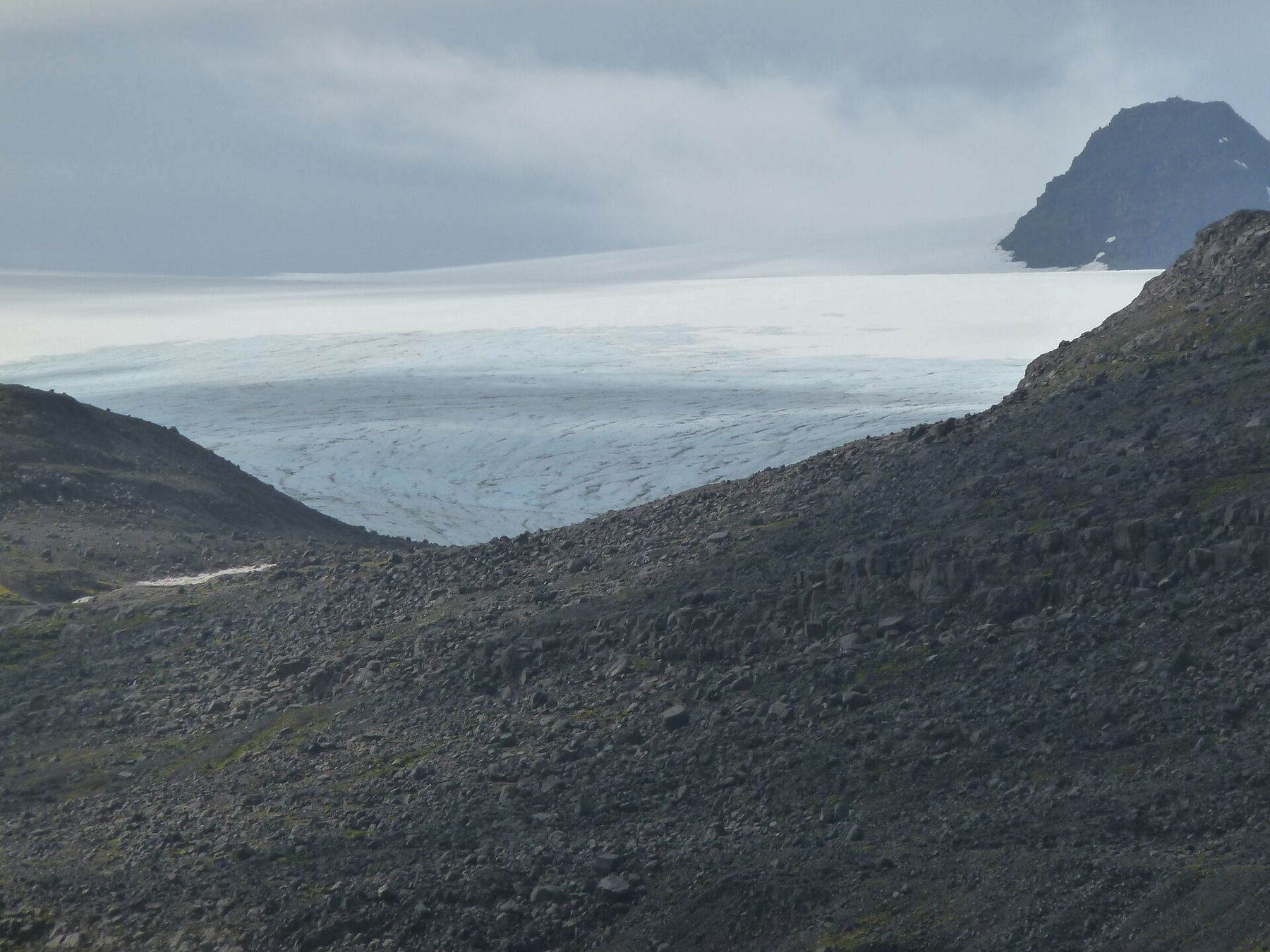
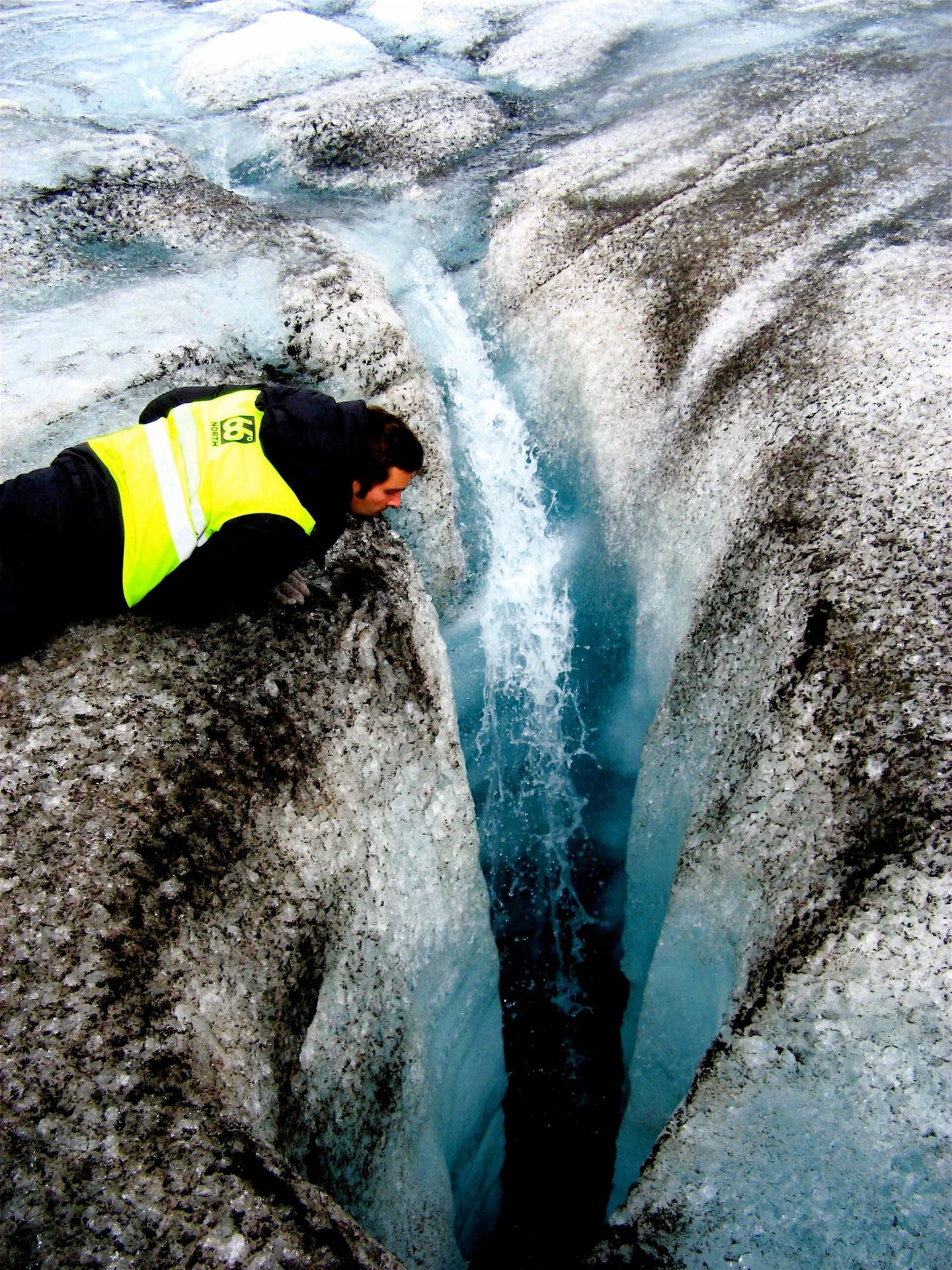
Above the fjords lies an ice cap that shrinks a little every year. We cross its edge, crampons on and roped up, and descend along the glacier tongue to the bay below. The ice is grey and striped with grit, with blue crevasses where the meltwater disappears. You learn how to approach a glacier, how a rope team moves and why you never stand on the ice alone. For most this is their first time on a glacier. It becomes the day you remember longest.
We deliberately choose July and August: the only weeks when the boats run to this stretch of coast, the snow has left the passes and the rivers can be forded. Temperatures are between five and fifteen degrees, the nights never really get dark and the grass on the cliffs is full of flowers. Rain and fog are no exception, they are part of it.
The story of
this expedition
From Brussels you fly to Iceland and travel on to the far northwest. There the asphalt ends, then the gravel, and then there is only a small boat. It drops us on a beach at the foot of a green cliff wall, waits until the last pack is ashore, and turns back. From that moment there are no roads, no inhabitants, no signal and no hut to walk back to. From then on we move on our own strength alone: over passes without a path, through rivers that are narrower in the morning than in the evening, by packraft across fjords and over the edge of a glacier that reaches almost down to the water.
There are no signposts, no bridges and no huts. The passes between the bays are steep, boggy at the foot and rocky at the top, and the rivers that run out of them we ford barefoot or in sandals, up to the thigh when we have to. We walk six to eight hours a day with a pack of twenty to twenty five kilos, because everything we need along the way we carry ourselves: tent, packraft, food, stove. You learn to read the terrain before you step into it: where the river is widest and therefore shallowest, where the snowfields still hold and where a slope becomes too steep for the load on your back.
Where the coast becomes too steep to walk, we inflate the packrafts and take to the water. Small, light boats of barely three kilos that carry you across a fjord in an hour, after which you pack everything up again and walk on. The water is four to eight degrees and the wind can turn within half an hour, so we leave early, while it is still calm, and paddle close to the shore. On the way you see the cliffs from below: bird colonies, waterfalls dropping straight into the sea and here and there a seal keeping an eye on us. You learn to read the swell, judge the distance and decide when not to go.
Above the fjords lies an ice cap that shrinks a little every year. We cross its edge, crampons on and roped up, and descend along the glacier tongue to the bay below. The ice is grey and striped with grit, with blue crevasses where the meltwater disappears. You learn how to approach a glacier, how a rope team moves and why you never stand on the ice alone. For most this is their first time on a glacier. It becomes the day you remember longest.
We deliberately choose July and August: the only weeks when the boats run to this stretch of coast, the snow has left the passes and the rivers can be forded. Temperatures are between five and fifteen degrees, the nights never really get dark and the grass on the cliffs is full of flowers. Rain and fog are no exception, they are part of it.
Self-sufficient,
but never alone
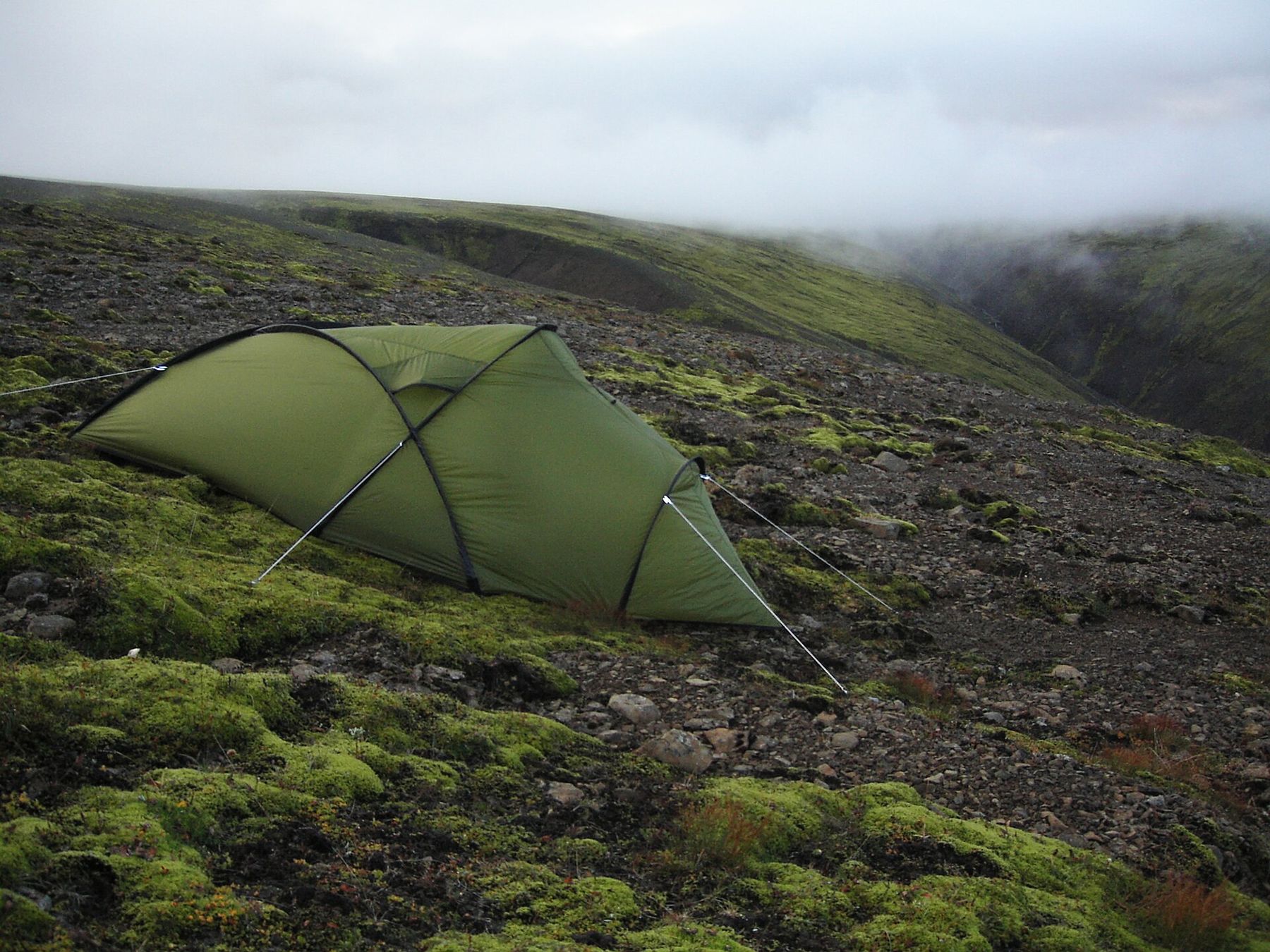
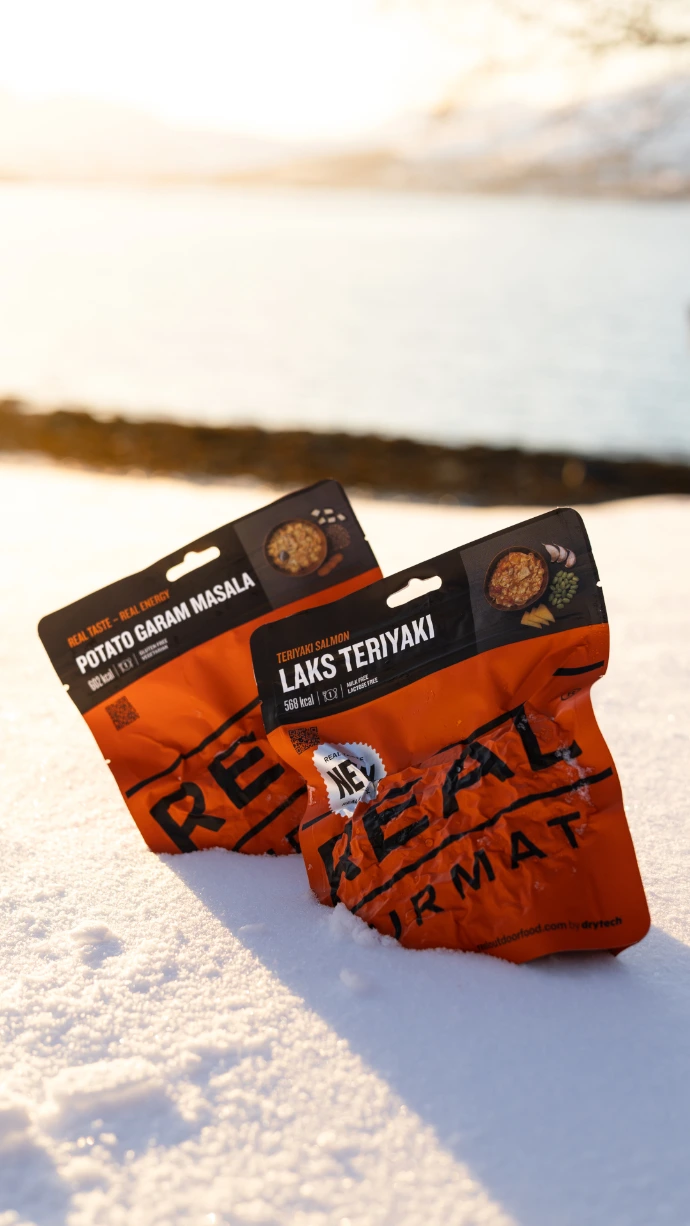
As soon as the boat leaves, we are off grid. We filter water from the streams, cook our own expedition food on the stove and sleep in tents where nature allows it: on the moss, in the lee of a cliff, on the shore of a fjord.
You learn to ford a river with a full pack, steer a packraft on cold water and cross the edge of a glacier on crampons, guided by an experienced X Guide you meet long before departure, during the preparation programme.
Safety & guidance
Safety is the foundation of every Element X expedition. Our X Guides are professionally trained, hold WFR certificates and have years of experience in extreme conditions.
Elke expeditie beschikt over satelliettelefoons, GPS-tracking, veiligheidsprocedures, evacuatieplan en lokale support in Iceland.
Before departure we also carry out a thorough risk analysis and prepare everything down to the last detail.
Guided by real expedition leaders.
You step into nature, away from the
beaten track, but always with the certainty of experienced guidance
and safety first.
Safety & guidance
Safety is the foundation of every Element X expedition. Our X Guides are professionally trained, hold
WFR certificates and have
years of experience in extreme conditions.
Elke expeditie beschikt over satelliettelefoons, GPS-tracking, duidelijke veiligheidsprocedures, een uitgewerkt evacuatieplan en lokale support in Iceland.
Before departure we also carry out a thorough risk analysis and prepare everything down to the last detail.
Self-sufficient,
but never alone
As soon as the boat leaves, we are off grid. We filter water from the streams, cook our own expedition food on the stove and sleep in tents where nature allows it: on the moss, in the lee of a cliff, on the shore of a fjord.
You learn to ford a river with a full pack, steer a packraft on cold water and cross the edge of a glacier on crampons, guided by an experienced X Guide you meet long before departure, during the preparation programme.
We let no one step into the unknown unprepared.
An expedition of this calibre starts months in advance. The preparation programme consists of an individual phase and a group phase.
Individual phase
Starts immediately after registration. You receive an inspiration pack with practical tips, insights and exercises to start moving like an expedition member. You gather your expedition gear using the packing list (do not buy anything yet: bring what you already have to the kick off). And you share your medical information, because the best preparation is a plan for when things go wrong.
Group phase
Starts 3 to 6 months before departure with the kick off: a full day on which you meet your team, taste the expedition atmosphere and take the first steps as a group. There we plan the follow-up moments together and the WhatsApp group starts. Training includes, among other things: getting to know the group and roles, physical screening and analysis, a personalised training schedule, technical and resilience training, gear, nutrition and sleep setup, and a final check.
Accredited service provider for the KMO-portefeuille
To help entrepreneurs and KMO leaders grow as much as possible, a leadership programme/training is linked to this expedition, which closely aligns with the adventure. This programme falls under the theme Business strategy and is eligible for subsidy via the KMO-portefeuille.
As an entrepreneur, you can receive up to 30% subsidy on the training costs of this programme. Important (!): only the training itself is eligible. Travel, accommodation, and expedition costs are not covered by the subsidy.
Accredited service provider for the KMO-portefeuille
To help entrepreneurs and KMO leaders grow as much as possible, a leadership programme/training is linked to this expedition, which closely aligns with the adventure. This programme falls under the theme Business strategy and is eligible for subsidy via the KMO-portefeuille.
As an entrepreneur, you can receive up to 30% subsidy on the training costs of this programme. Important (!): only the training itself is eligible. Travel, accommodation, and expedition costs are not covered by the subsidy.
As seen in


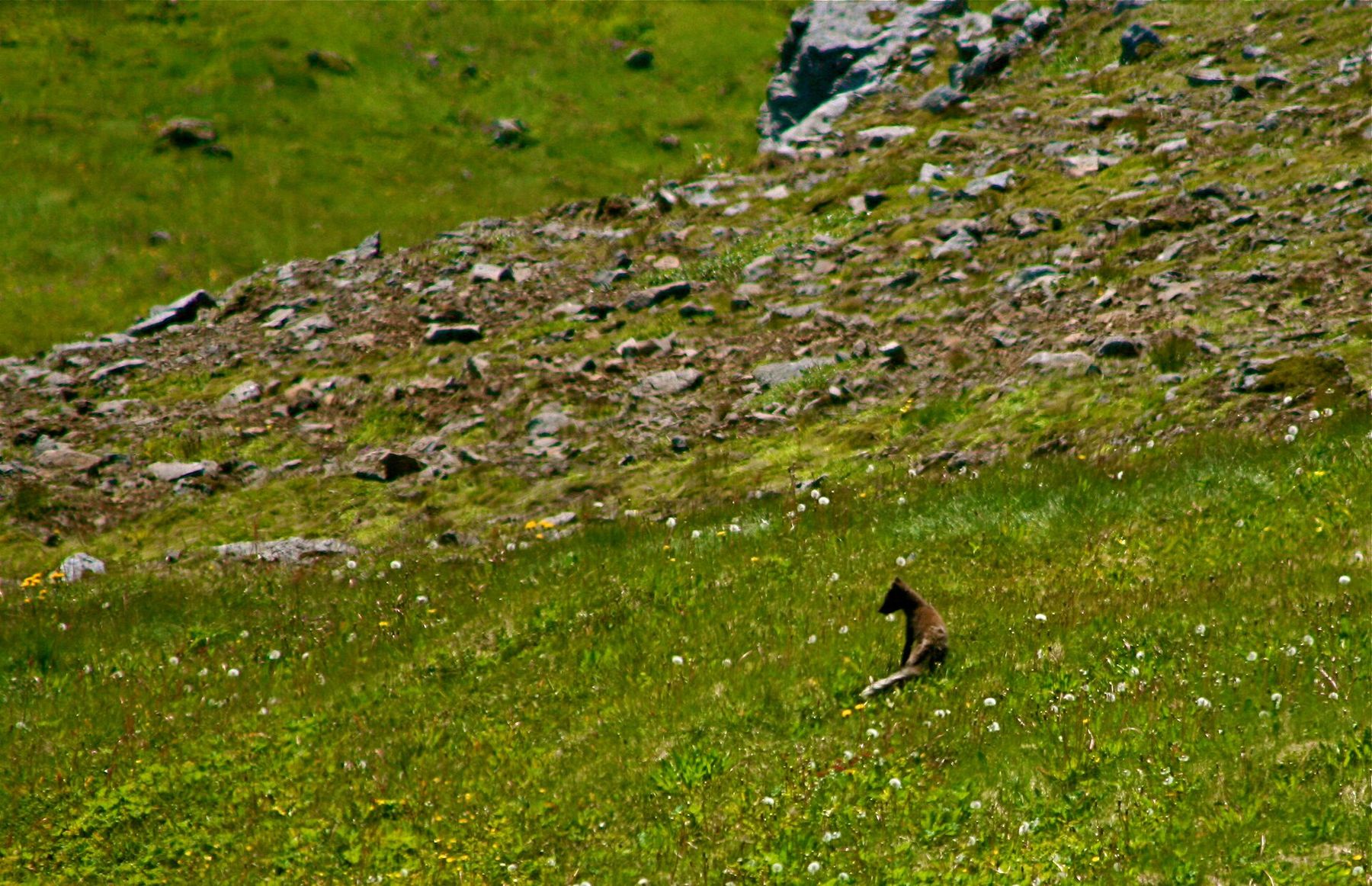
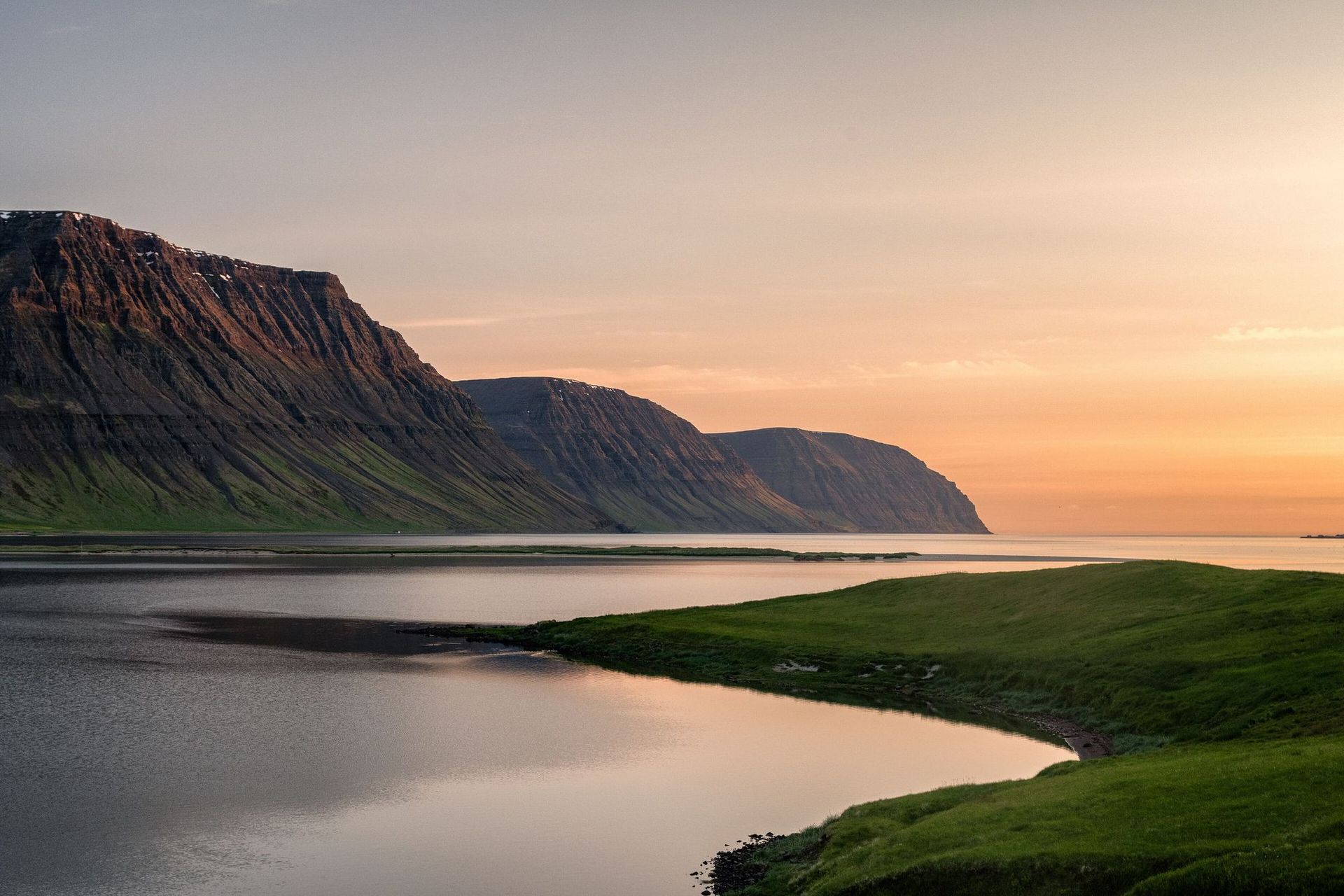
Imagine: a cliff wall hundreds of metres high rising straight out of the sea, a glacier reaching almost down to the fjord, an arctic fox that stays put ten metres away because it has never learnt to fear a human. It is midnight and you can still read without a lamp. There is no road, no hut, no one but your own group.
During Expedition Iceland you enter a world where everything slows down and everything counts: the weather that turns, the river that rises, the ice that cracks under your crampons. Days on end without signal do something to your head. You come back with less noise, with a group you know inside out and with a sharper picture of what you can handle when the only way out is through.
Imagine: a cliff wall hundreds of metres high rising straight out of the sea, a glacier reaching almost down to the fjord, an arctic fox that stays put ten metres away because it has never learnt to fear a human. It is midnight and you can still read without a lamp. There is no road, no hut, no one but your own group.
During Expedition Iceland you enter a world where everything slows down and everything counts: the weather that turns, the river that rises, the ice that cracks under your crampons. Days on end without signal do something to your head. You come back with less noise, with a group you know inside out and with a sharper picture of what you can handle when the only way out is through.
Frequently asked questions
No. You do not need to be a top athlete. Through our preparation programme (screening, training schedule and targeted training) we build your level up to expedition level in 3 to 6 months.
Very safe. We work with WFR-certified expedition leaders, satellite communication, evacuation plans and clearly outlined safety protocols.
The full expedition programme, gear, workshops, guidance, all local costs and meals are included, plus the full 3 to 6 month preparation programme. Flights, personal clothing and insurance are not included.
Frequently asked questions
No. You do not need to be a top athlete. Through our preparation programme (screening, training schedule and targeted training) we build your level up to expedition level in 3 to 6 months.
Very safe. We work with WFR-certified expedition leaders, satellite communication, evacuation plans and clearly outlined safety protocols.
The full expedition programme, gear, workshops, guidance, all local costs and meals are included, plus the full 3 to 6 month preparation programme. Flights, personal clothing and insurance are not included.
Ready to go where the road ends?
Taking an option is free and without obligation; your spot is only confirmed after the intake.
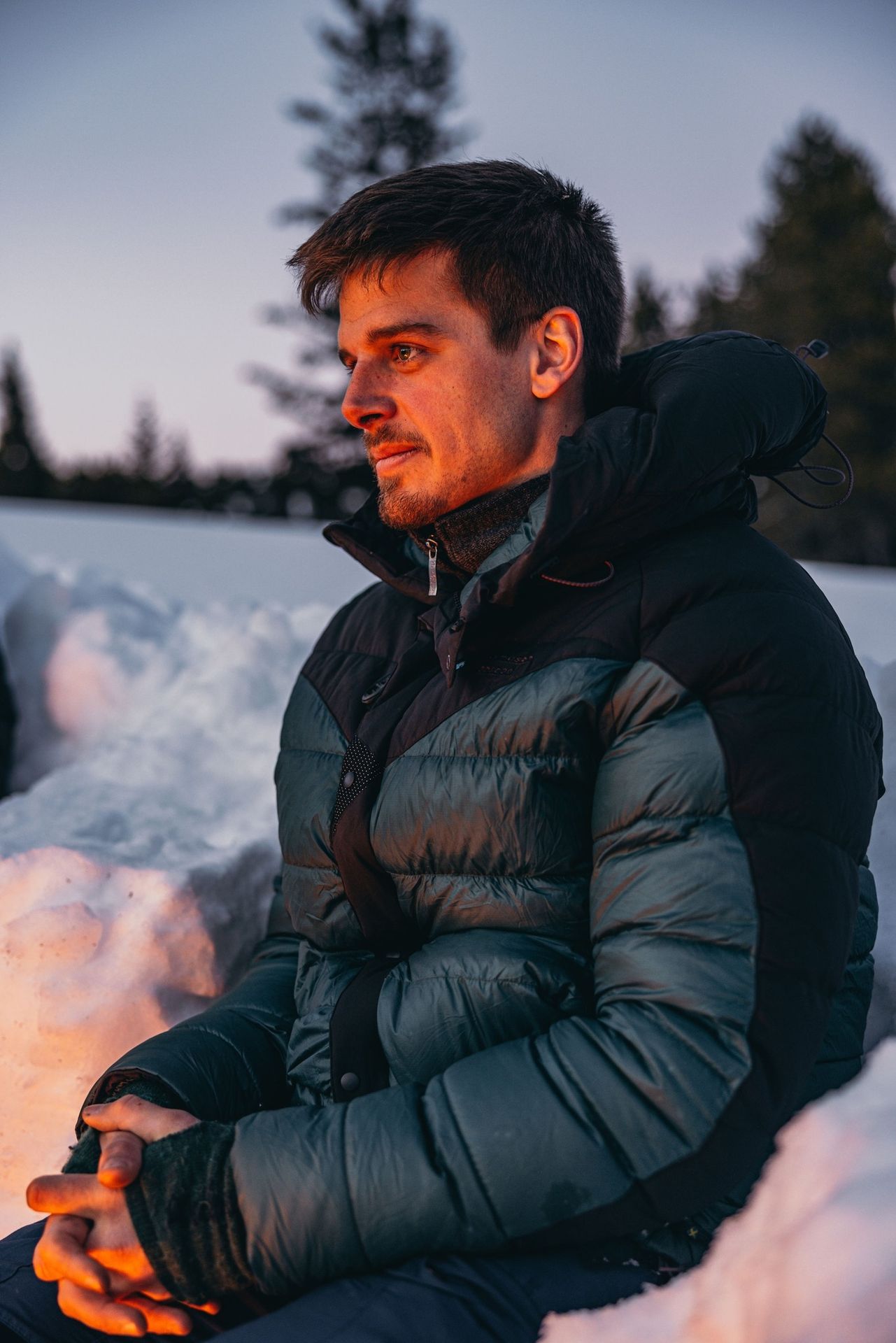
Koen De Leeuw
Expedition leader | Element X
“This is the most honest terrain I know. There is no path to rely on and no hut to walk to, so every decision is real: where you cross, when you take to the water, when you stop. Whoever gets through this knows afterwards what they can handle.”
SIGN UP FOR
EXPEDITION UPDATES!
Stay one step ahead of the adventure! Sign up
for our updates and receive the latest news and exclusive information about our transformative expeditions in the wilderness.
SIGN UP FOR
EXPEDITION UPDATES!
Stay one step ahead of the adventure! Sign up for our updates and receive the latest news and exclusive information about our transformative expeditions in the wilderness.