The story of
this expedition
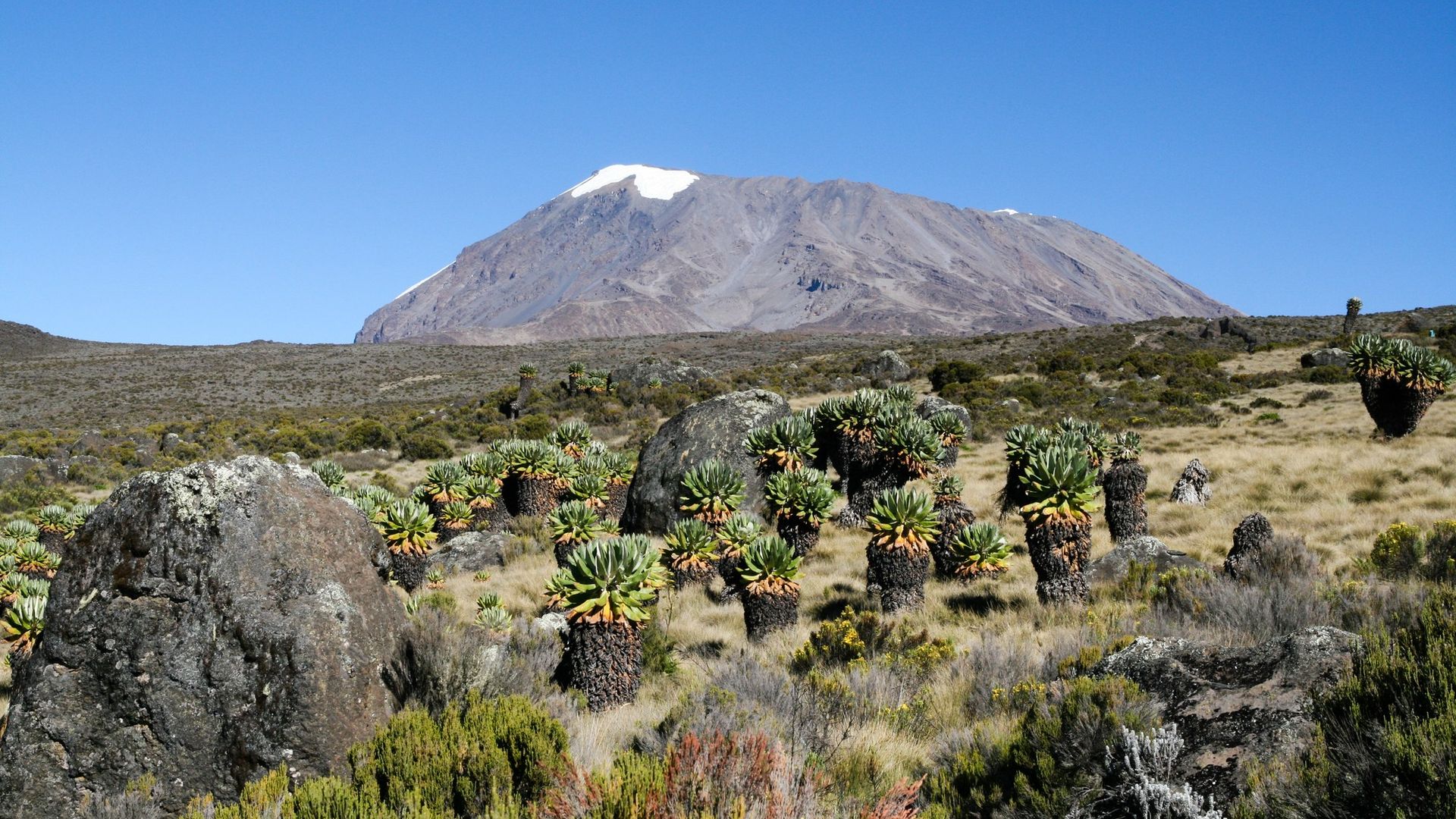
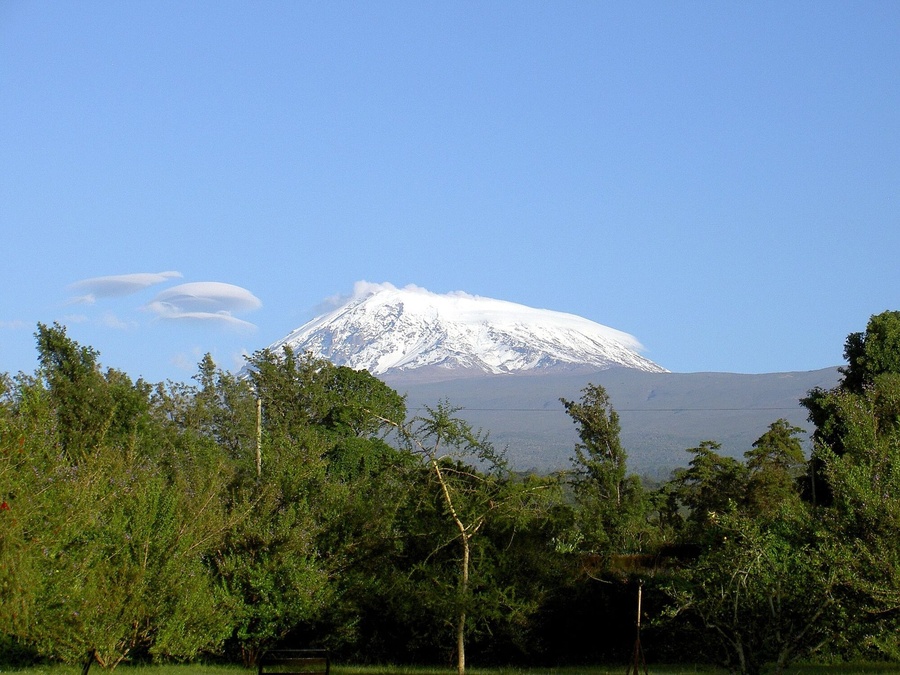
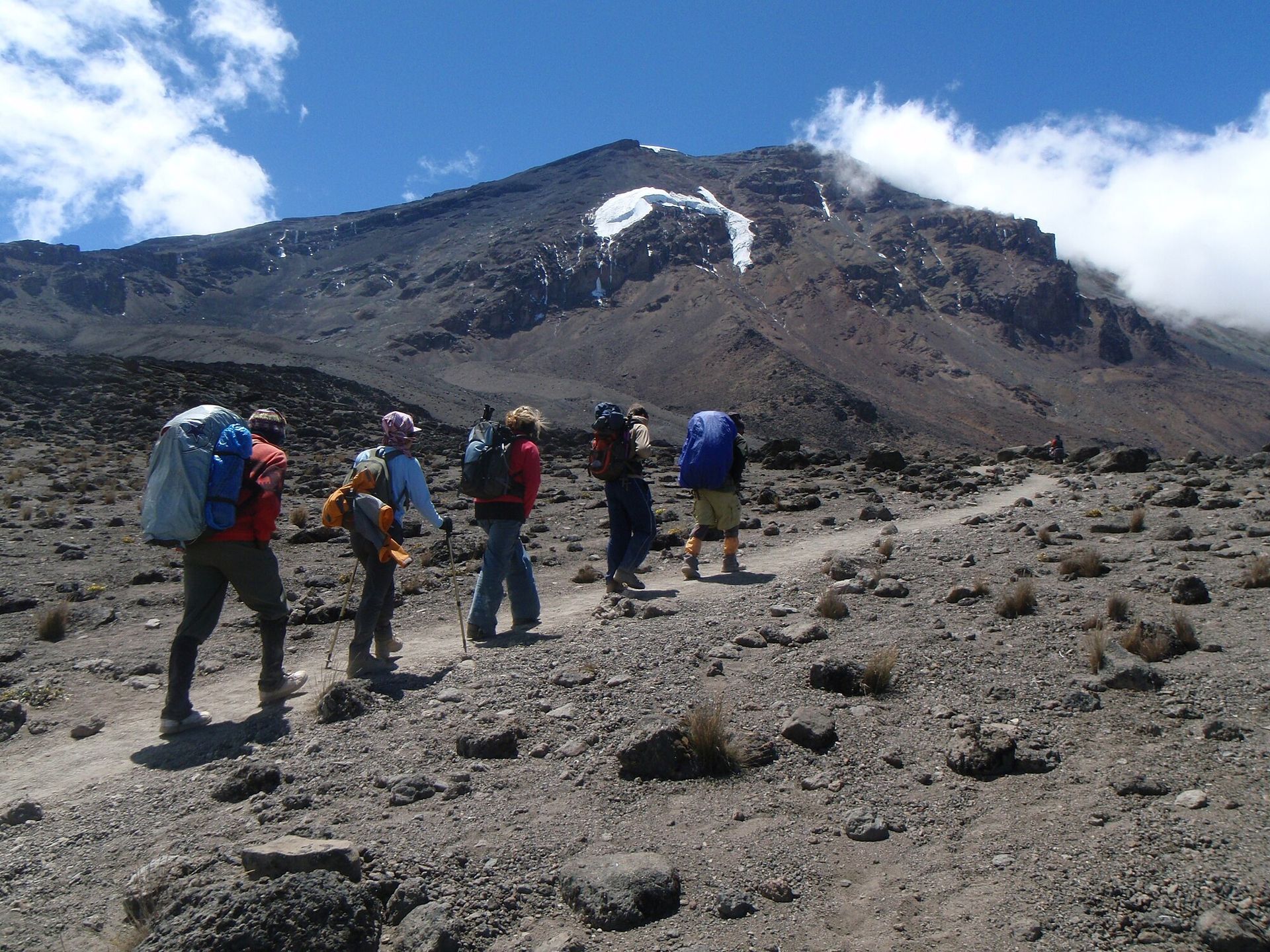
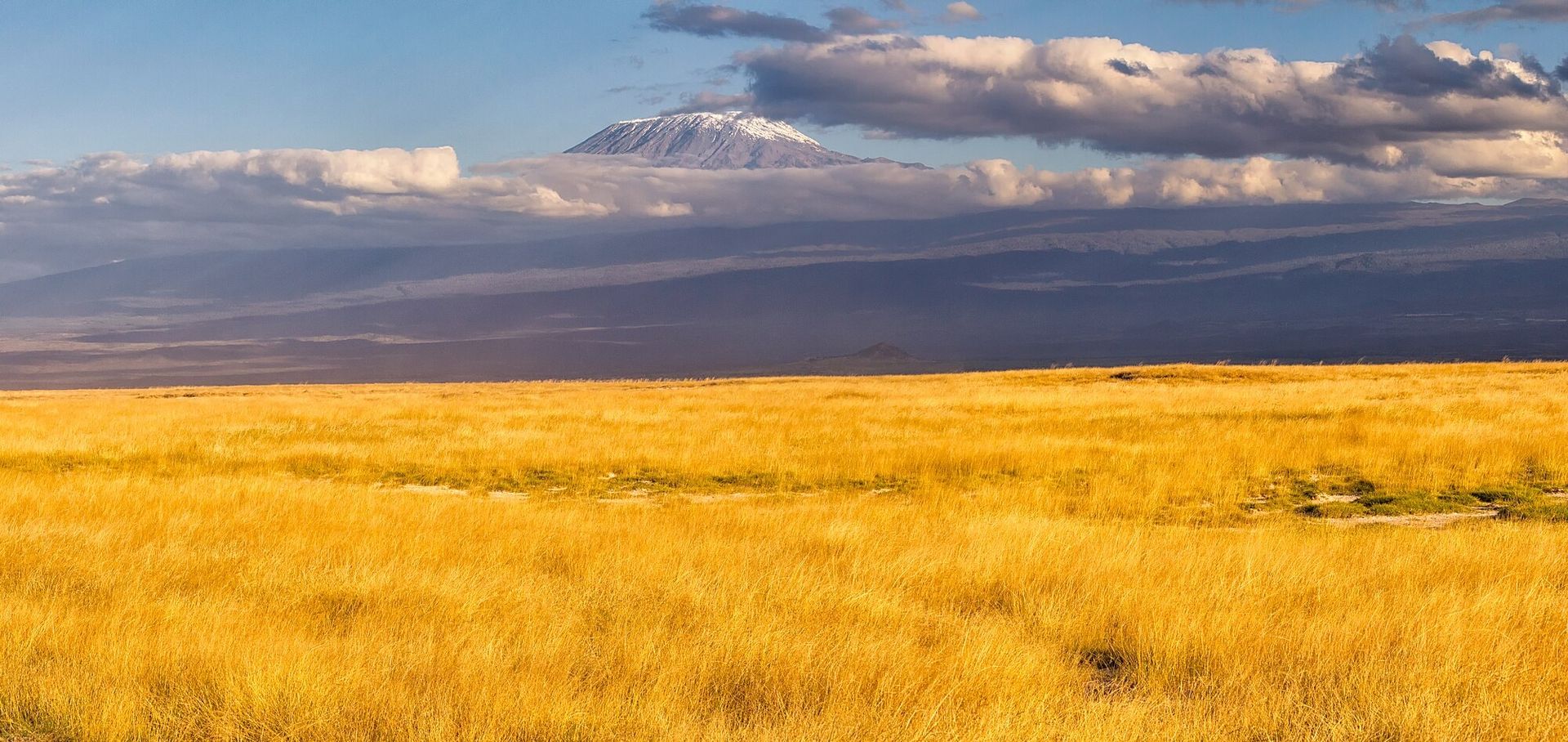
From Brussels you fly to Tanzania, to the foot of the highest freestanding mountain in the world. Kilimanjaro rises as a single massif out of the savannah, from around a thousand metres to 5,895 metres at Uhuru Peak. You can see the summit from the very first day, and you take your time to get there.
We take the Northern Circuit, the least travelled route to the top: the longest route on the mountain, around the quiet northern flank, with time to get used to the altitude. You walk six to eight hours a day, through rainforest, heath and alpine desert up to the glaciers on the crater rim. We sleep in tented camps, with a local mountain crew that knows the mountain inside out.
You do not need any technique: no rope, no crampons. What counts is your endurance and the patience to go slower than you could. That is what we prepare you for over months, so that on summit night you are not hoping, you know what you are doing.
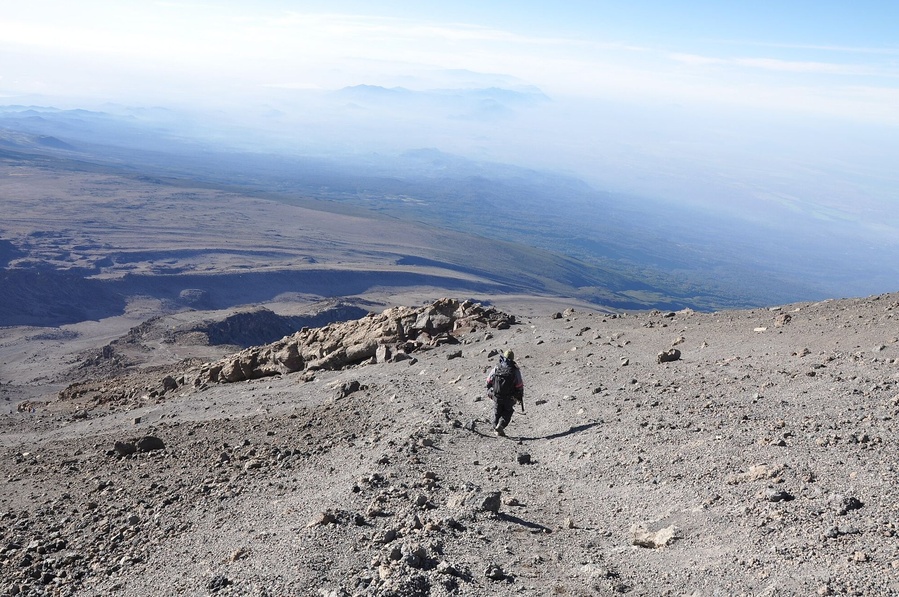
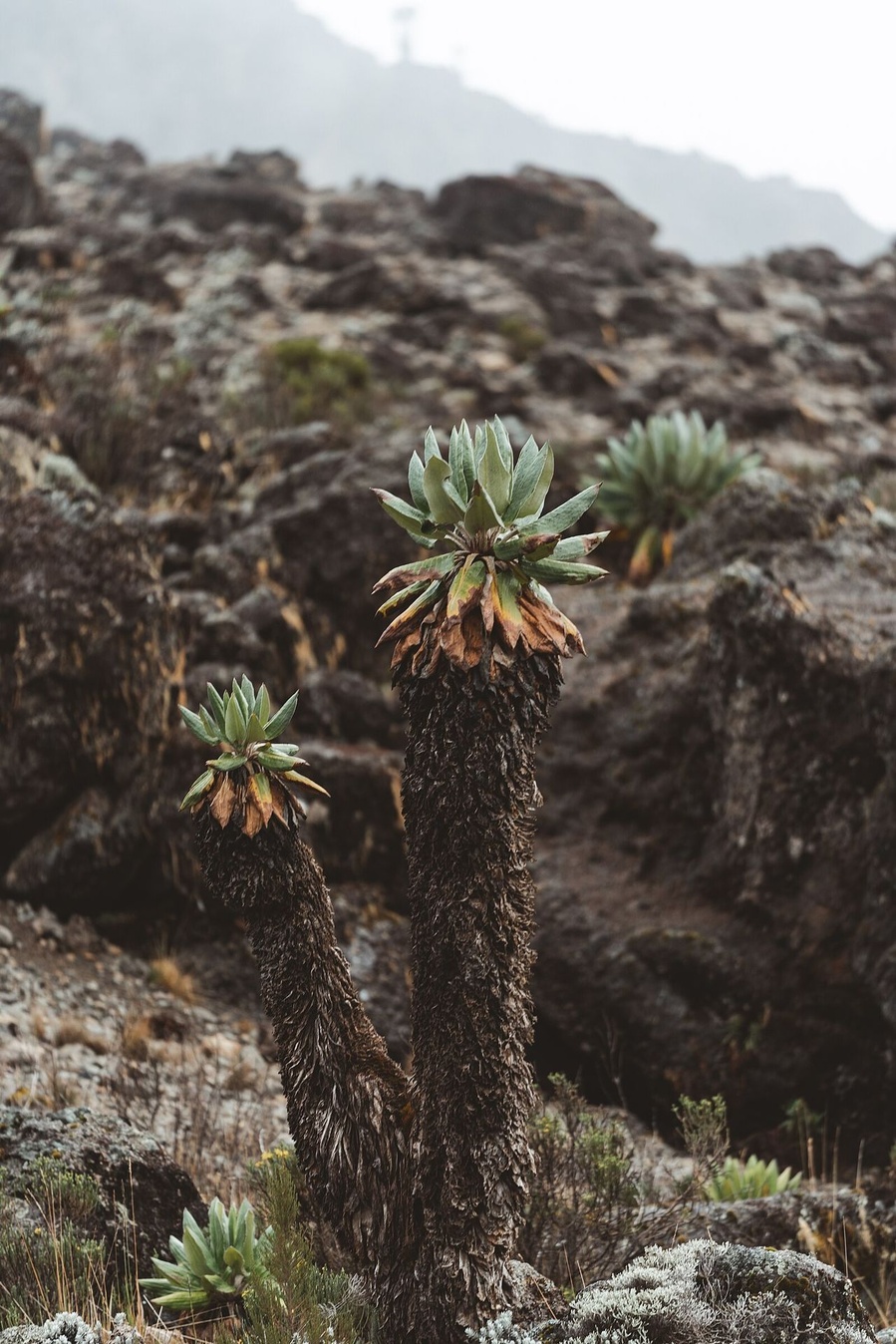
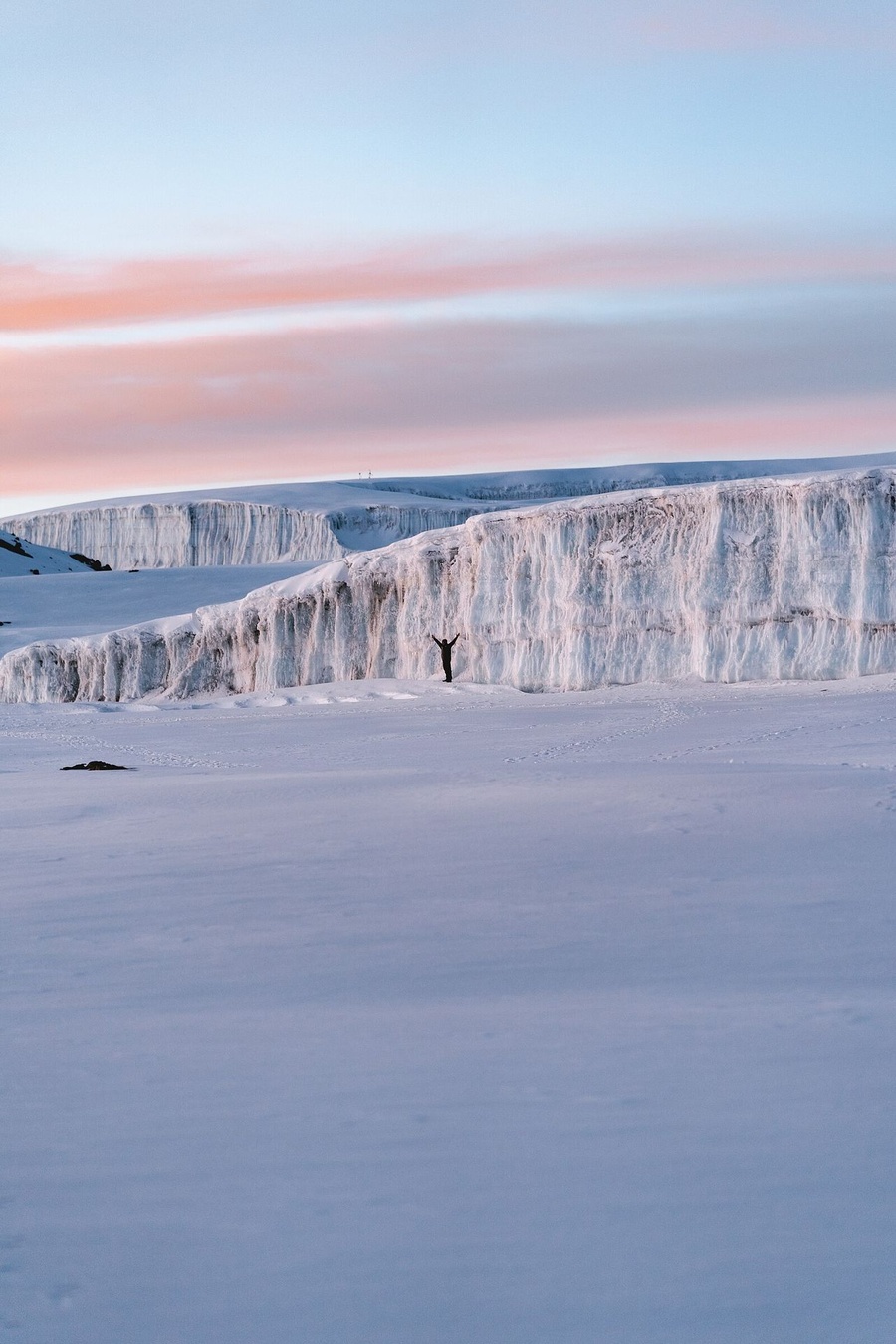
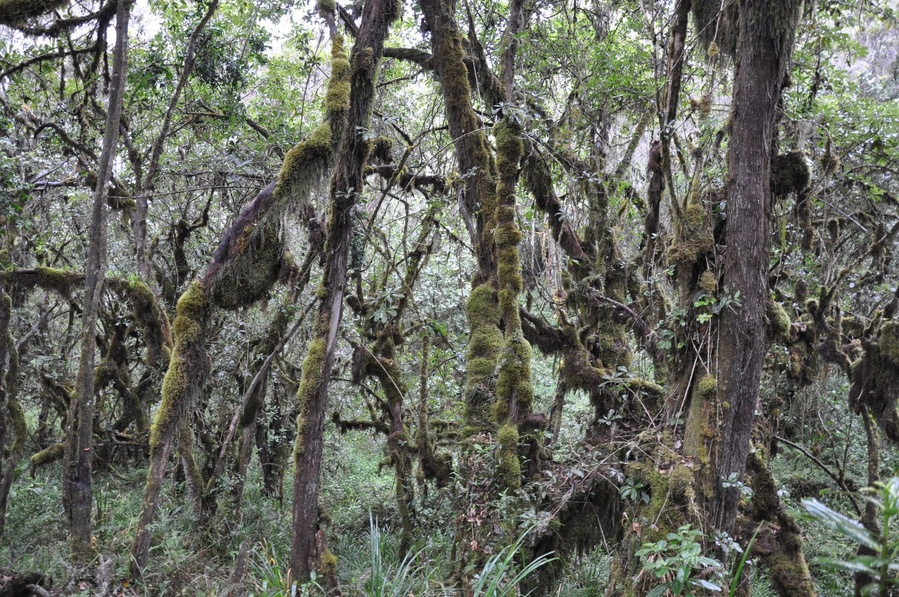
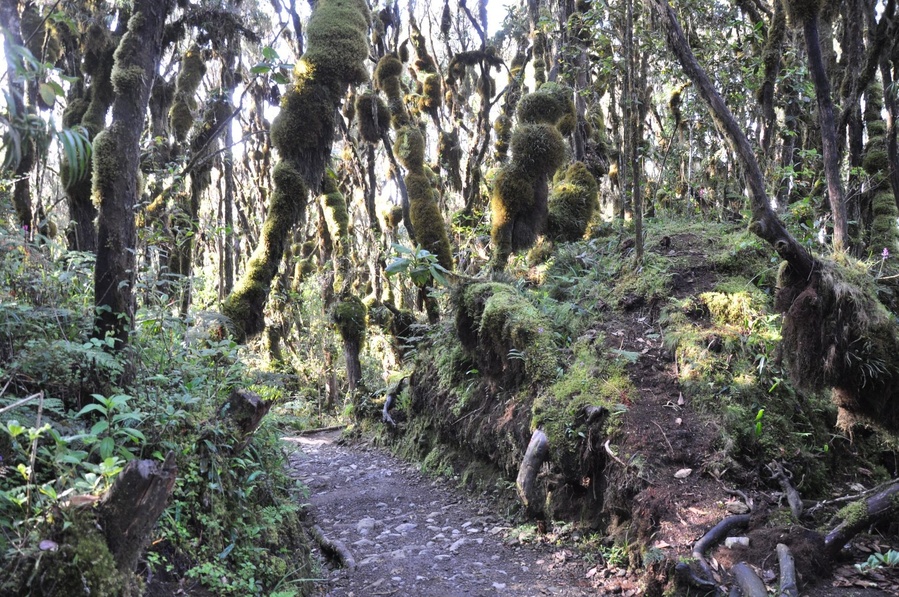
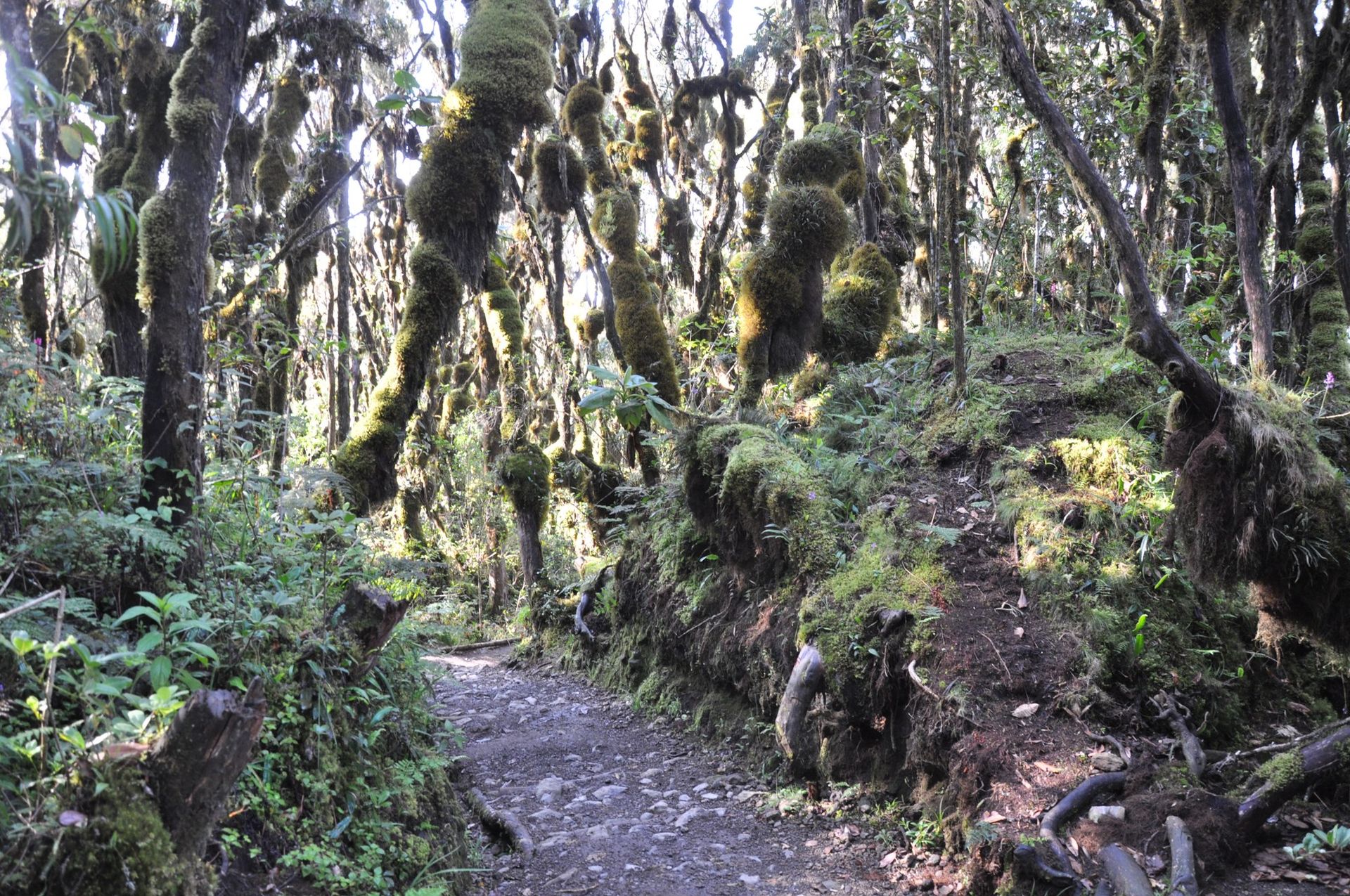
Through five climate zones
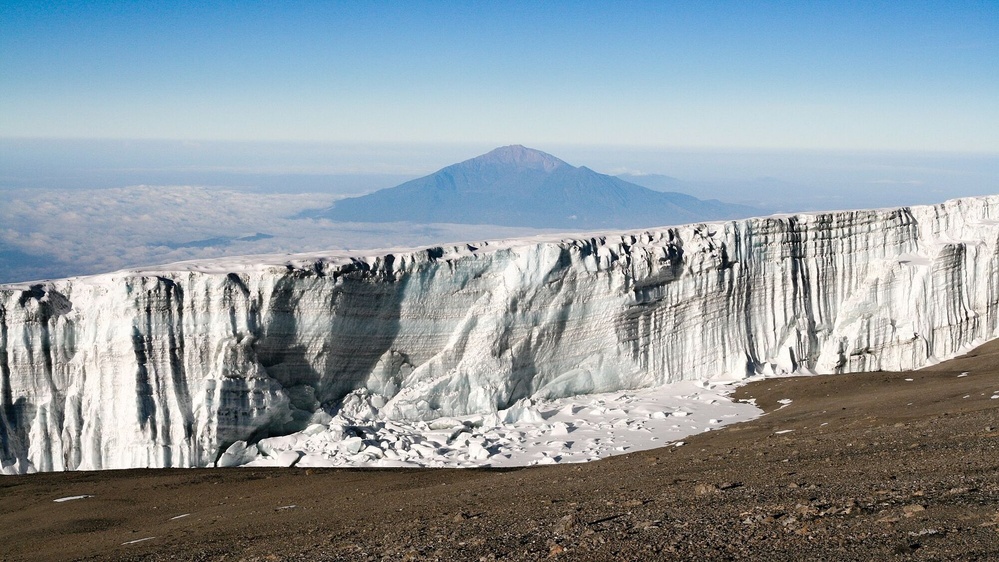
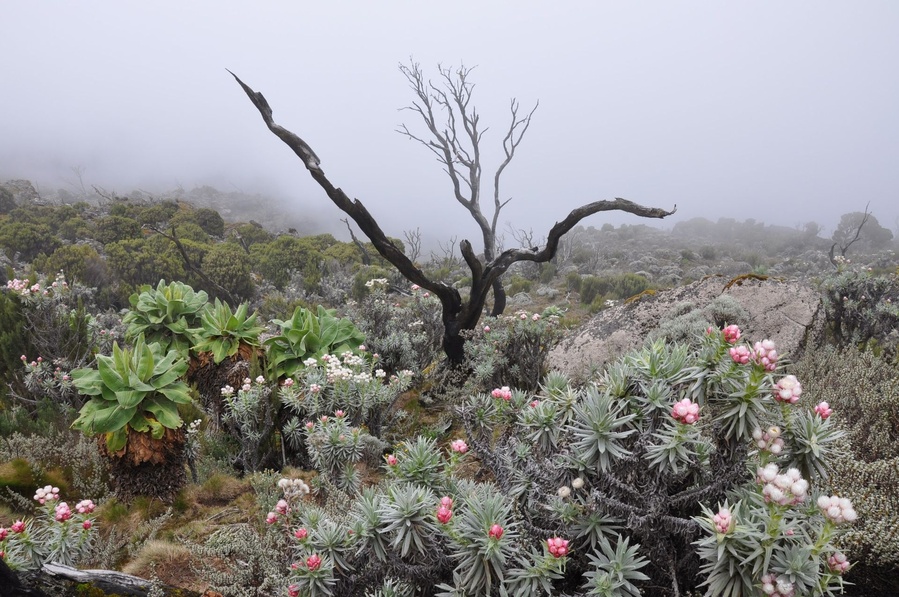
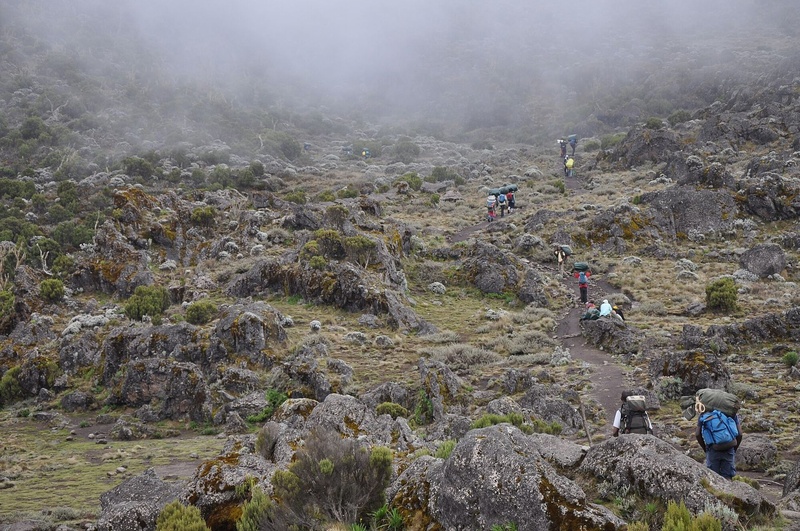
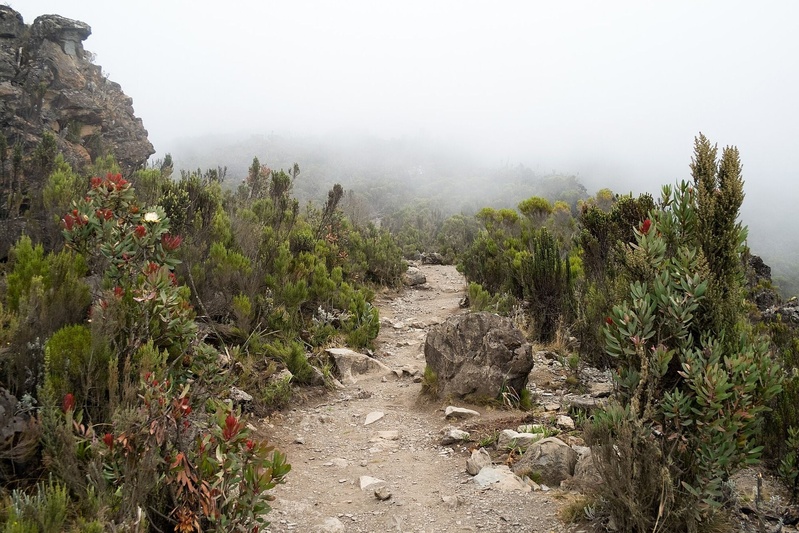
from rainforest to glacierYou set off low on the mountain, past fields and then into the wet montane forest, with mist between the trunks and monkeys in the canopy. Above it the forest stops abruptly and you walk out onto open heath, with giant plants that grow nowhere else. Above roughly four thousand metres only rock, dust and lichen remain: by day the sun burns, at night it freezes. The last thousand metres are snow, ice and what is left of the glaciers on the crater. In a few days you walk through landscapes that are normally thousands of kilometres apart.
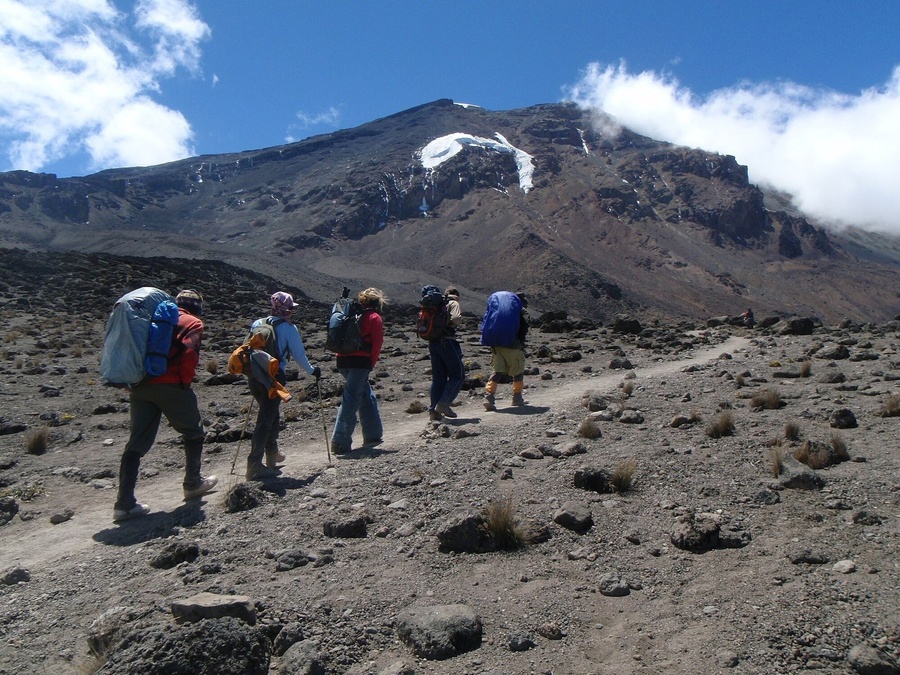
Pole pole
slowly to the topOn Kilimanjaro you hear it on every slope: pole pole, slowly does it. At the summit each breath brings in roughly half the oxygen you breathe at home. Climb too fast and you get headaches, nausea and poor sleep, and good fitness does not protect you: athletic people even run a higher risk, because they push on where their body puts on the brakes. So every day we walk slower than you would like and measure your oxygen saturation. You learn to keep your pace low, even when you feel strong.
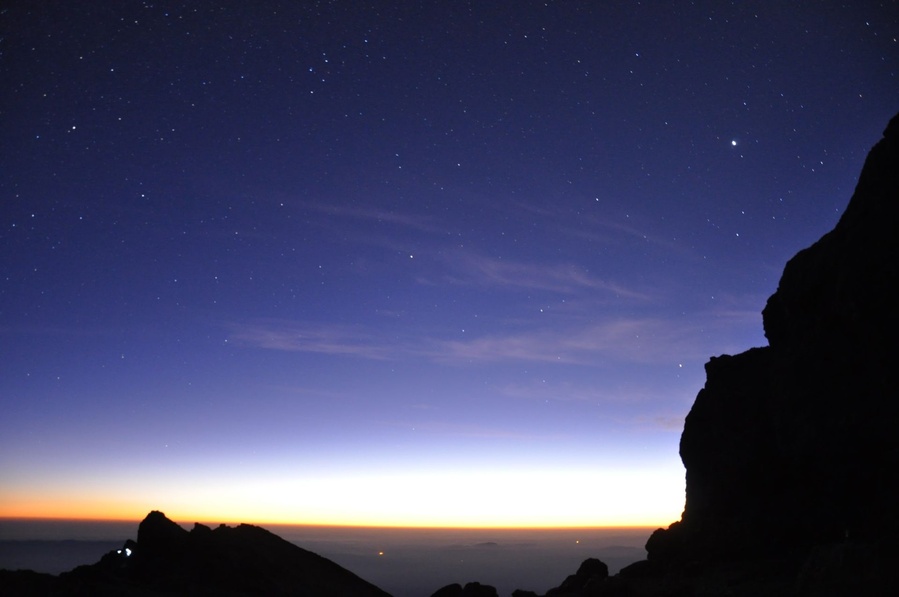
Summit night
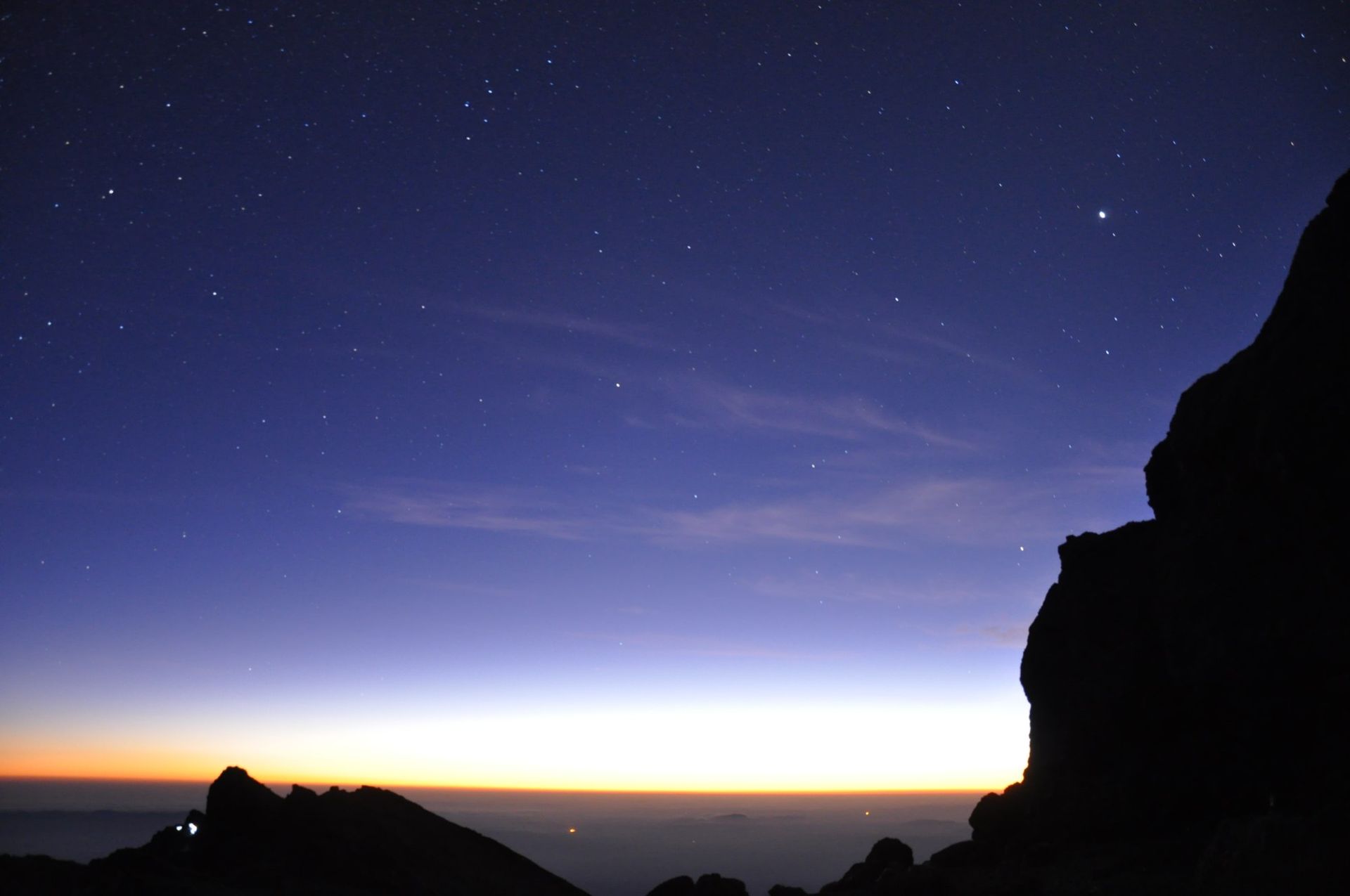
leaving around midnightThe final stage starts around midnight from a high camp above 4,500 metres. You climb for six to eight hours in the dark, in the coldest hours of the night, with only the beam of your head torch and the heels of the person in front of you. It is freezing, and you have slept less than on any other night that week. Around sunrise you reach the crater rim and the light comes up above the clouds. From there it is a stretch along the rim to Uhuru Peak, 5,895 metres, the highest point in Africa.
What makes this
expedition unique?
Five climate zones
From rainforest and heath to alpine desert and glaciers, on one mountain.
The Northern Circuit
The longest and quietest route, around the northern flank, with time to acclimatise.
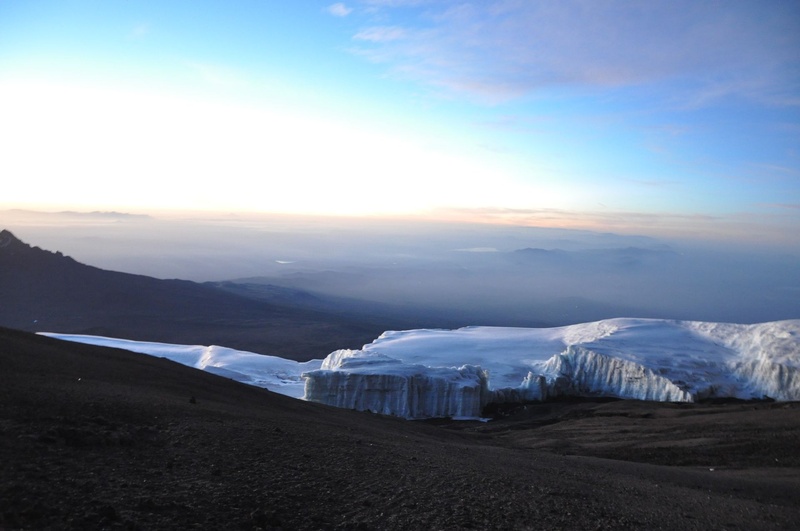
Sunrise on the crater rim
After a night of climbing in the dark, the sun rises above the clouds.
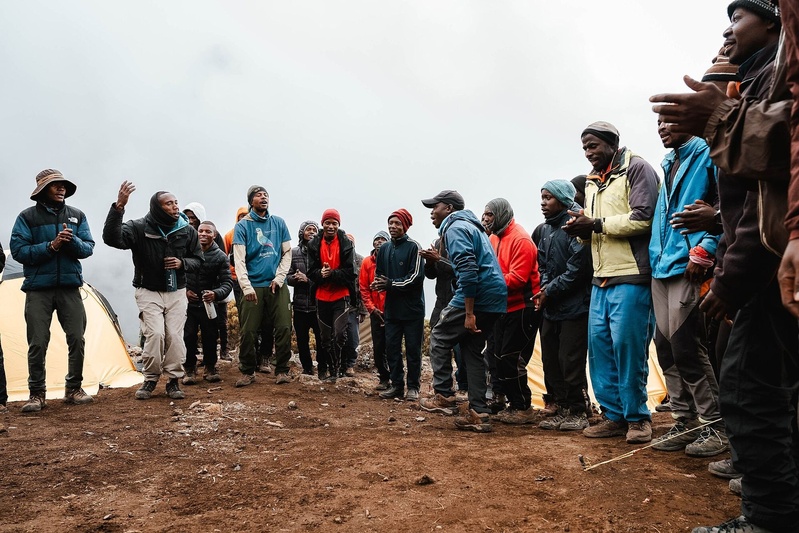
A strong mountain team
X Guides together with a certified local Tanzanian mountain crew.
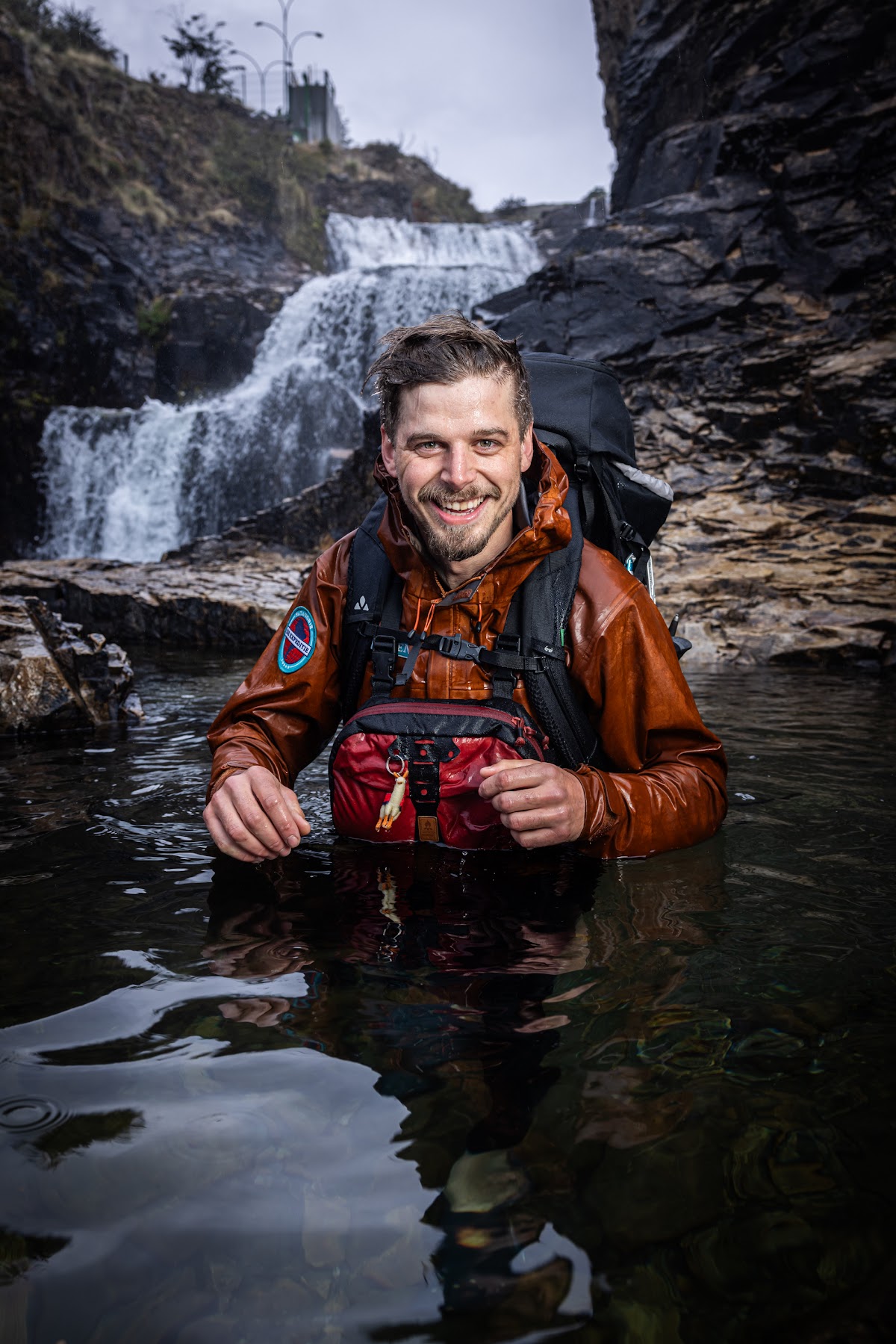
Kilimanjaro needs no climbing technique, and that is exactly why people underestimate it. Altitude does not forgive haste: whoever sets a fast pace in the first days pays for it on summit night. That is why we train your endurance beforehand and walk slower on the mountain than you would like. Every extra night at altitude increases your chance of standing on top.Koen De LeeuwFounder and expedition leader, known from De Expeditie on PlayParacommando · Wilderness First Responder Meet Koen
 De Expeditie
 De Tijd
 Humo
 Play Media
How we
work
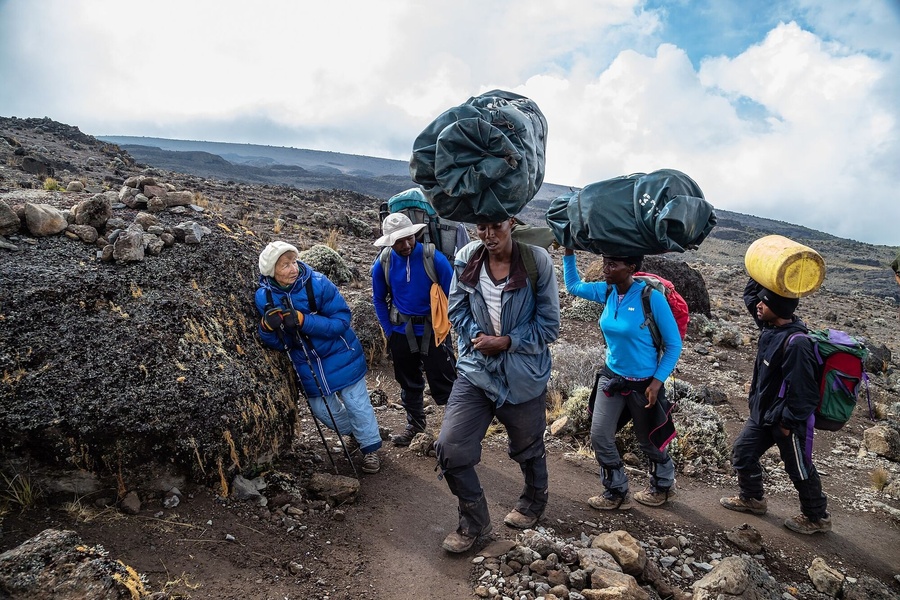
Self-sufficient,
never alone
For days on end you live on the mountain in tented camps, with X Guides and a local mountain crew. The camp equipment travels with the crew; you carry what you need during the day.
You learn to keep your pace low, to breathe at altitude and to keep going on summit night when it is freezing and dark, guided by an experienced X Guide you meet long before departure, during the preparation programme.
Safety and
guidance
You step into nature, away from the beaten track, but always with experienced guidance and safety first.
Safety is our highest priority. Our X Guides hold a Wilderness First Responder certificate and work with a certified Tanzanian mountain crew with years of experience on the mountain.
Every day we do a health check that includes measuring your oxygen saturation. We carry satellite phones, GPS tracking, emergency equipment for altitude sickness and an evacuation plan, with local support in Tanzania.
Before departure we carry out a thorough risk analysis and prepare everything down to the last detail.
Preparation
of 3 to 6 months
The programme starts after you sign up with a kick off. Monthly group training sessions and a technical training follow, with a final check two weeks before departure.
Everything
at a glance
All prices are per person and exclude flights. We book flights together with you during the preparation programme.
- Departure
- 05/02 to 14/02/2028
- Duration
- 10 days
- Level
- Adventure3/5
- Group
- Small, selected group
- Price
- €4,500 ppIncl. preparation programme
Included
- Full preparation programme of 3 to 6 months
- Professional X Guides
- Certified local mountain crew
- All permits and park fees
- Tented camps and all overnight stays
- All meals during the expedition
- Daily health check with oxygen measurement
- Backpack and sleeping bag from Element X
- All local transport
- Local activities
- All local tips
Not included
- Flights
- Transport to and from the airport
- Personal clothing (top, bottom, footwear)
- Insurance (cancellation + search and rescue)
Frequently asked questions
See all questionsHow many days does it take to climb Kilimanjaro?
The expedition lasts about ten days, most of it on the mountain. That is longer than the shortest programmes, and on purpose: every extra night at altitude gives your body time to adapt and improves your chance of reaching the summit.
Which route do you take on Kilimanjaro?
We follow the Northern Circuit, the least travelled route to the summit. It is the longest route on the mountain: it runs around the quiet northern flank and gives you more days to acclimatise than the shorter, busier routes. We go through the route and the daily programme together at the kick off of the preparation programme.
What are my chances of reaching the summit?
There is no guarantee: the altitude and your body have a say. What matters most is the number of days on the mountain, a slow pace and good preparation. That is why we choose the Northern Circuit, walk slowly on purpose and prepare you for 3 to 6 months. Your health always comes before the summit.
How do you deal with altitude sickness?
Altitude sickness can affect anyone, including people who are very fit. Climb too fast and you get headaches, nausea or poor sleep. We ascend gradually, walk slowly and do a daily health check that includes measuring your oxygen saturation. Our X Guides hold a Wilderness First Responder certificate and we carry emergency equipment for altitude sickness and an evacuation plan. Anyone who needs to go down, goes down.
How hard is it to climb Kilimanjaro, and do I need experience?
You do not need climbing experience: no rope and no crampons. You do need the fitness to walk six to eight hours a day for several days in a row, and a summit night of six to eight hours climbing in the dark. The level is Adventure (3/5). During the preparation programme you get training advice and you can join the monthly group training sessions.
How cold is Kilimanjaro in February?
January and February fall in the short dry season between the two rainy seasons, often with clear days. Low down in the rainforest it is mild and humid. Above four thousand metres the sun burns during the day and it freezes at night. On summit night you climb through the coldest hours, well below freezing. You receive a packing list built on layers, and we go through it together at the kick off.
Where do we sleep during the expedition?
On the mountain we sleep in tented camps, together with the local mountain crew. Element X provides your backpack and sleeping bag, which you receive before departure. Before and after the expedition you stay in comfort.
What is included and what is not?
Included: the preparation programme of 3 to 6 months, professional X Guides, a certified local mountain crew, all permits and park fees, the tented camps and all overnight stays, all meals during the expedition, all local transport and tips. Not included: flights, transport to and from the airport, personal clothing and insurance (cancellation and search and rescue). We book flights together with you during the preparation programme; they are invoiced separately.
Other expeditions
View all expeditions
Sign up for
expedition updates
Stay one step ahead of the adventure. Receive the latest news and exclusive information about our expeditions in the wilderness.
Unsubscribe whenever you like. Read our privacy policy.
Your expedition to Kilimanjaro
starts with a conversation
Your preparation is included and starts 3 to 6 months before departure.