The story of
this expedition
From Brussels you fly to Nairobi. From there we drive about 150 kilometres north with the group, to where the farmland stops and the forest begins. At the park gate we leave the vehicles behind. From then on everything happens on foot, together with a local mountain crew of cooks and porters.
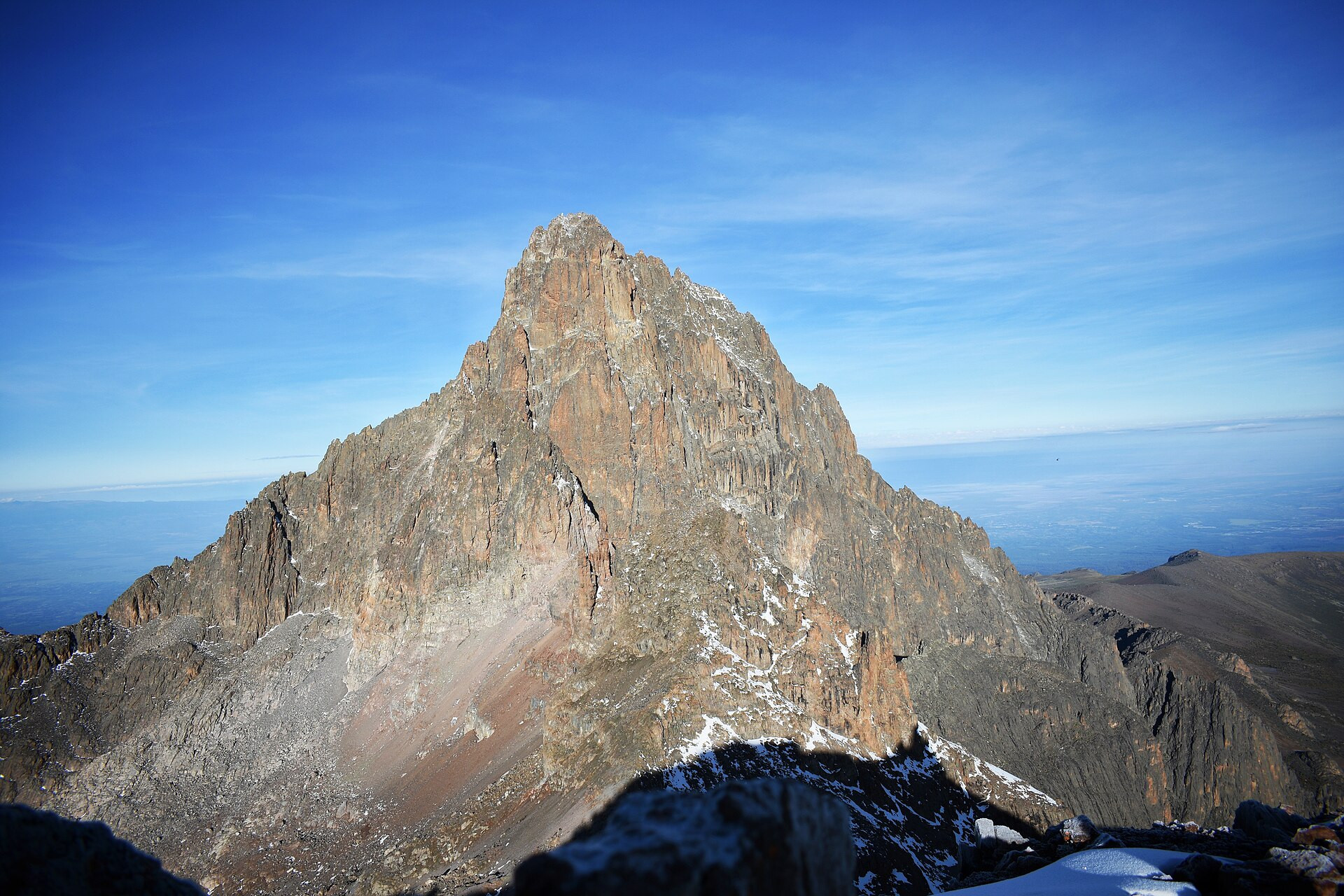
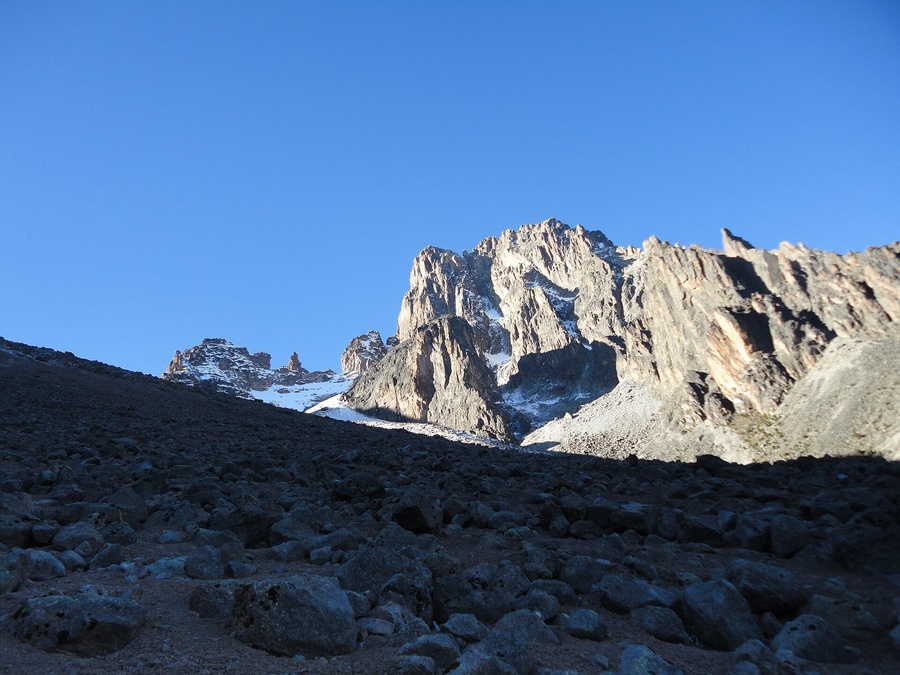
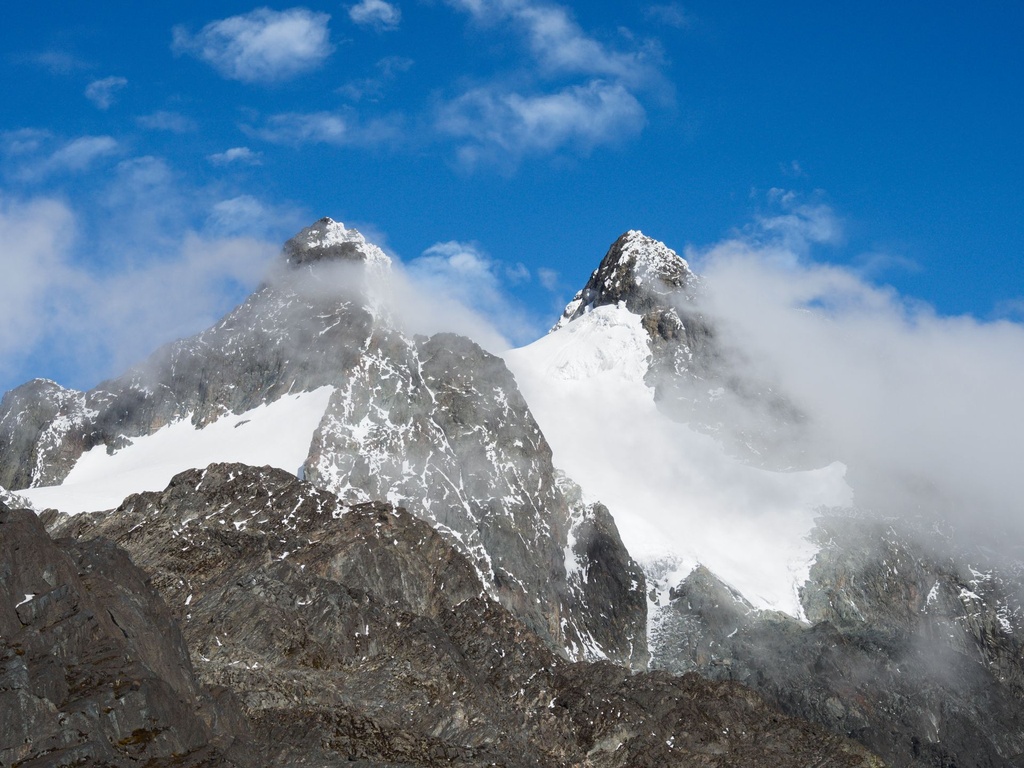
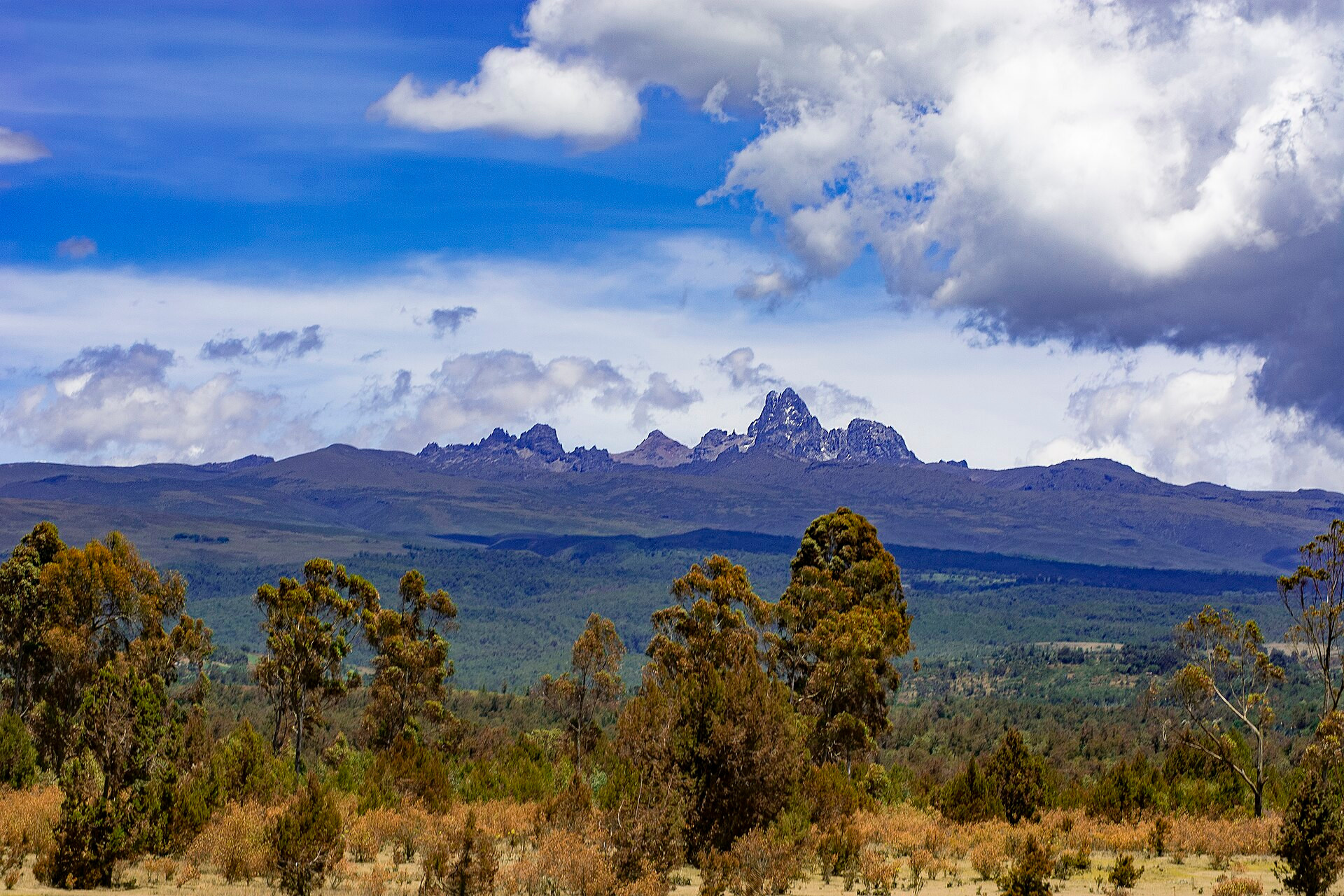
Mount Kenya is the second highest mountain in Africa, and the least known. Its two highest summits, Batian and Nelion, are only for climbers with rope and rock technique. Point Lenana, at 4,985 metres, is the highest summit you can reach on foot, and that is where we are going. Along the way you walk through bamboo forest where elephants and buffalo live, across open moorland and through valleys full of giant plants that grow nowhere else, up into a world of bare rock and scree.
Summit day starts long before sunrise, in the dark. With a head torch you climb through the cold at a steady pace to almost five thousand metres. As the light comes up you stand on top, with the rock walls of Batian and Nelion right beside you and the plains of Kenya far below the clouds. We go in January or February, in the dry season, when the mornings are clearest.
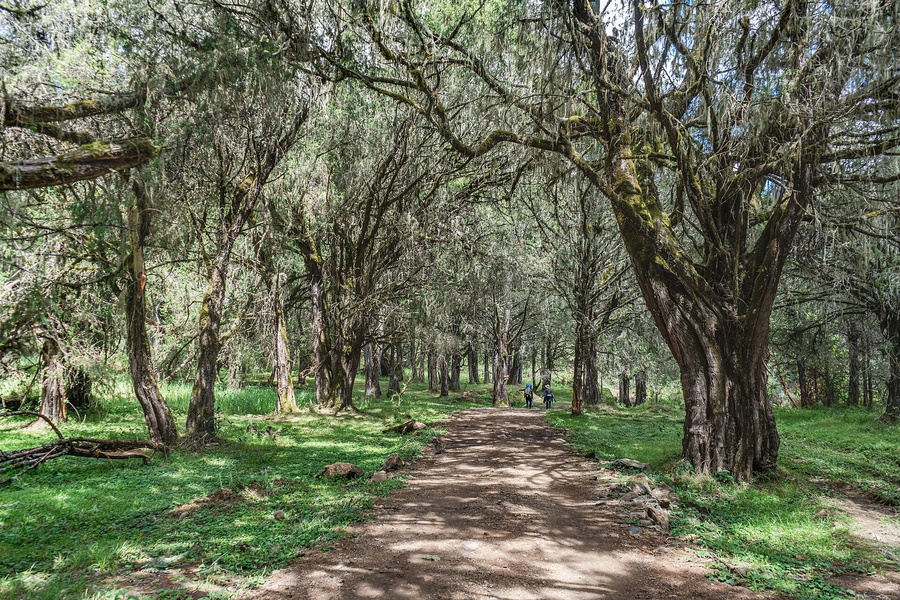
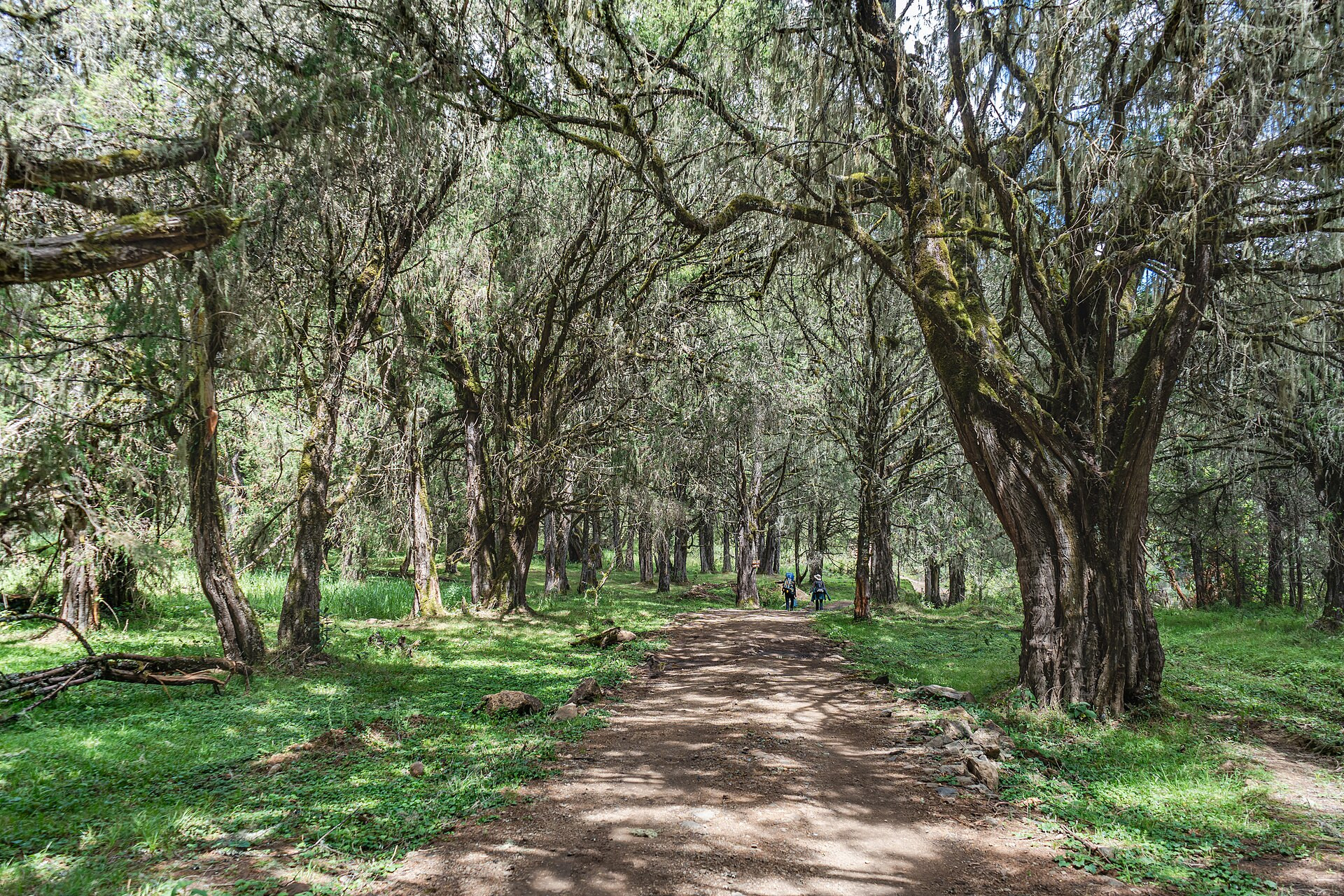
Through the forest
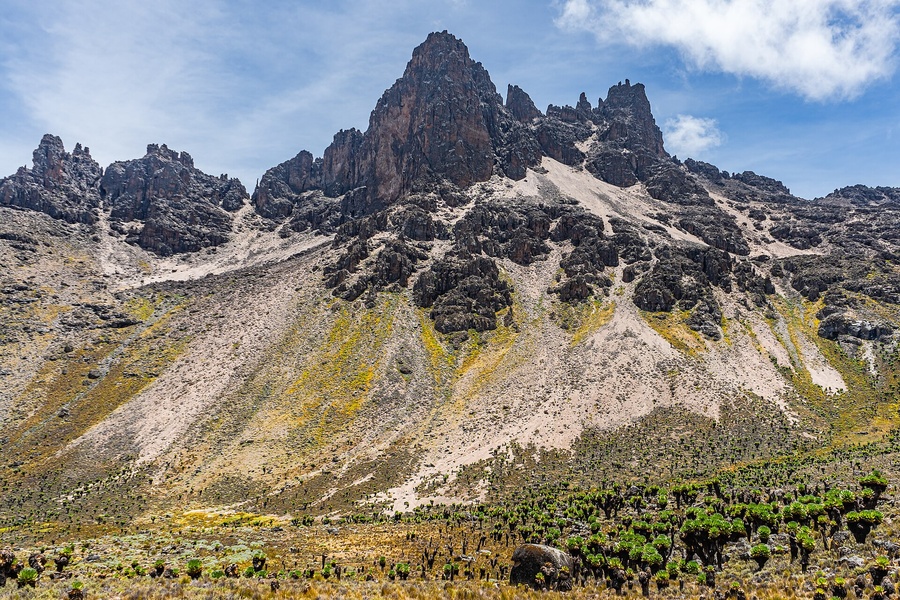
bamboo, elephants and buffaloFrom the park gate you walk into dense mountain forest and bamboo. Elephants and buffalo live here, and you usually see their tracks before you see the animals. The path climbs steadily and the air turns cooler and damper. The forest ends quite suddenly: above the tree line it opens up into moorland. A local mountain crew of cooks and porters comes with us all the way.
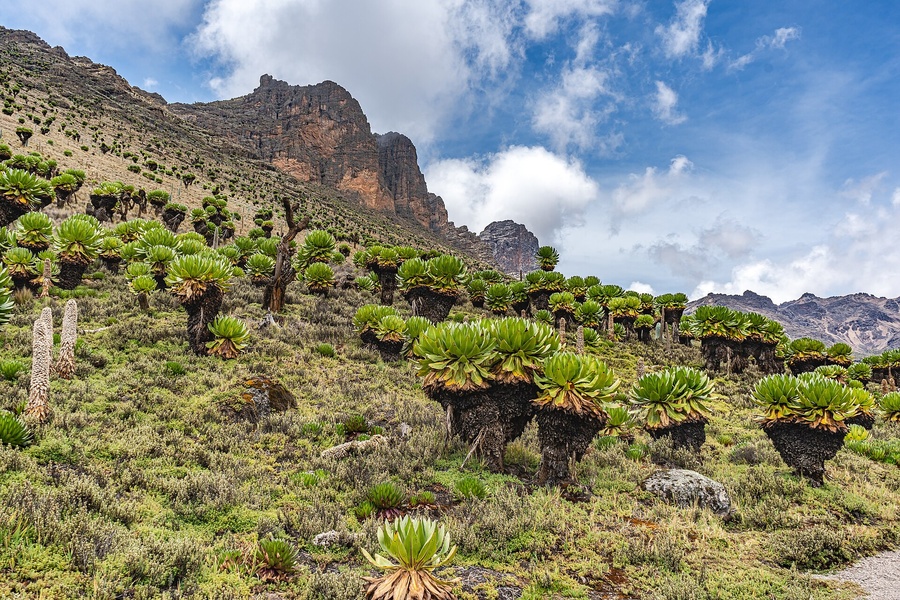
Across the moorland
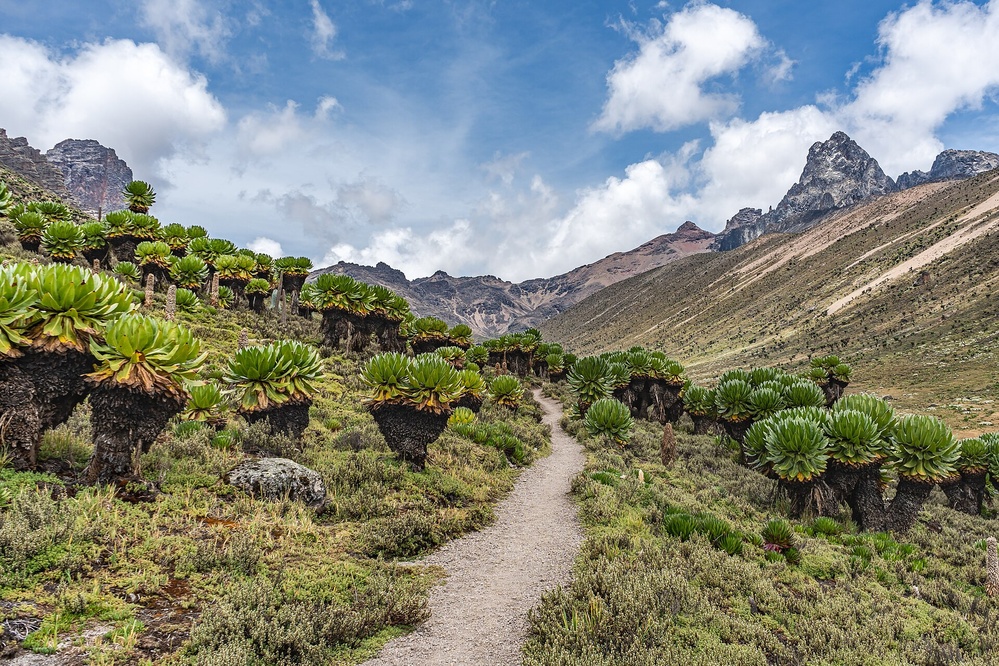
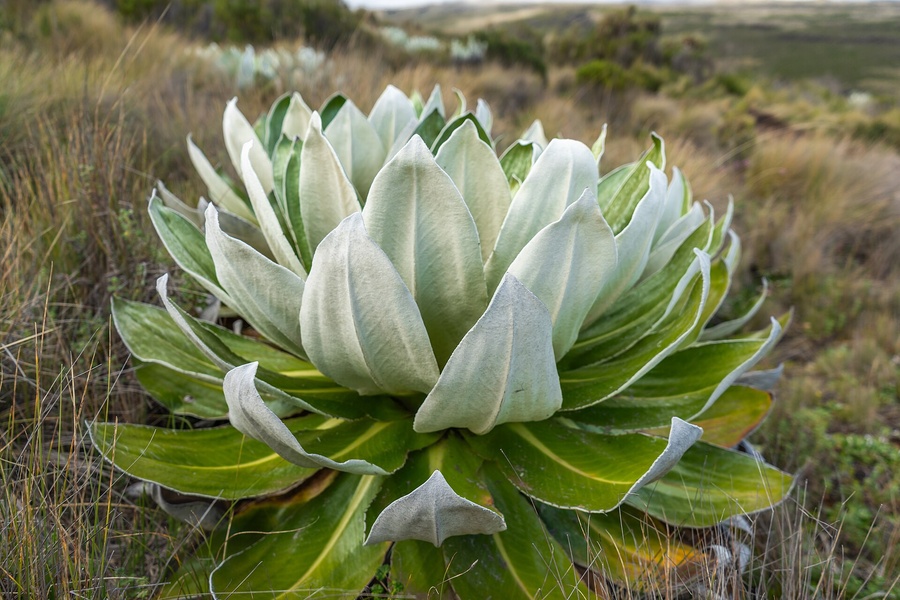
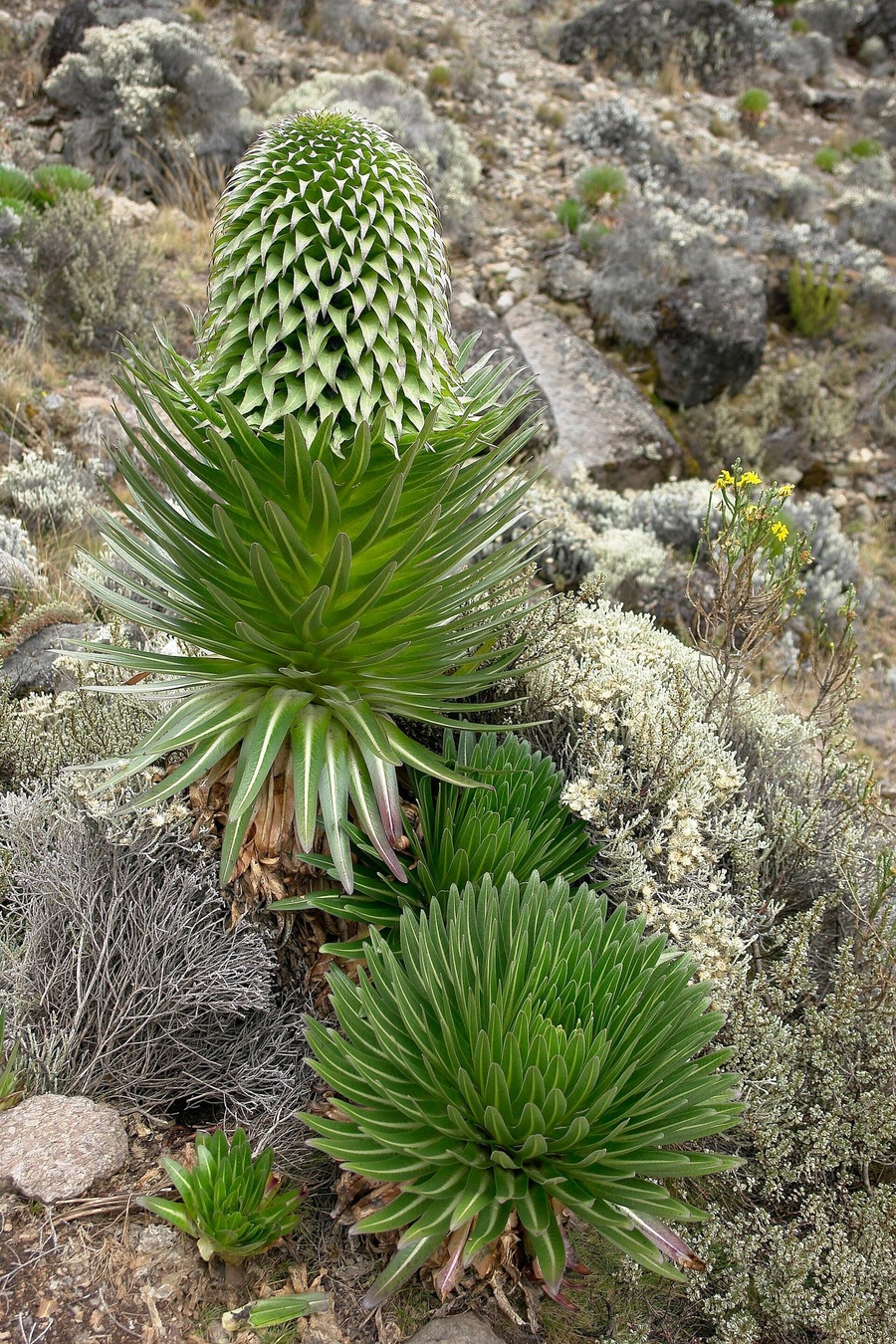
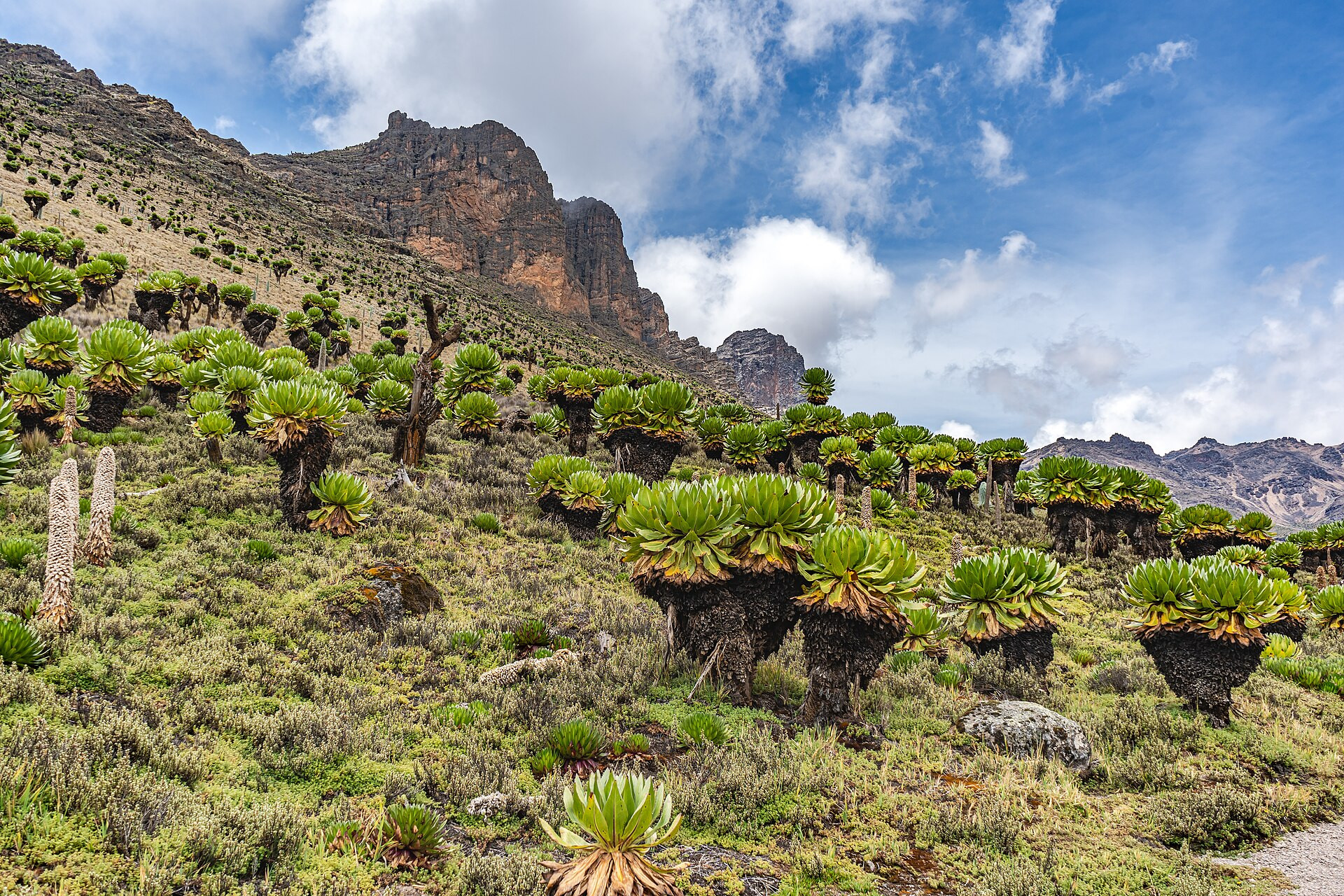
among the giant plantsAbove the tree line the landscape turns open and quiet. You cross moorland with tussock grass, then valleys where giant plants stand several metres tall, with a trunk like a palm tree and leaves like a cabbage. They grow only on a handful of high mountains in equatorial Africa. By day the sun is fierce, at night it freezes around the tents. Each day we climb a little higher and your body gets time to adjust to the thinner air.
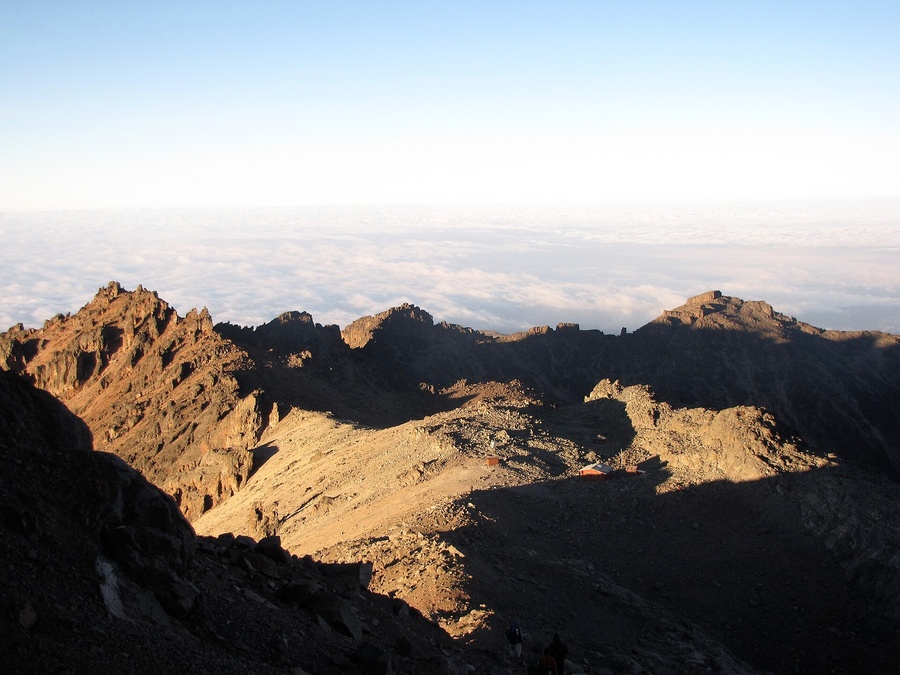
To the summit
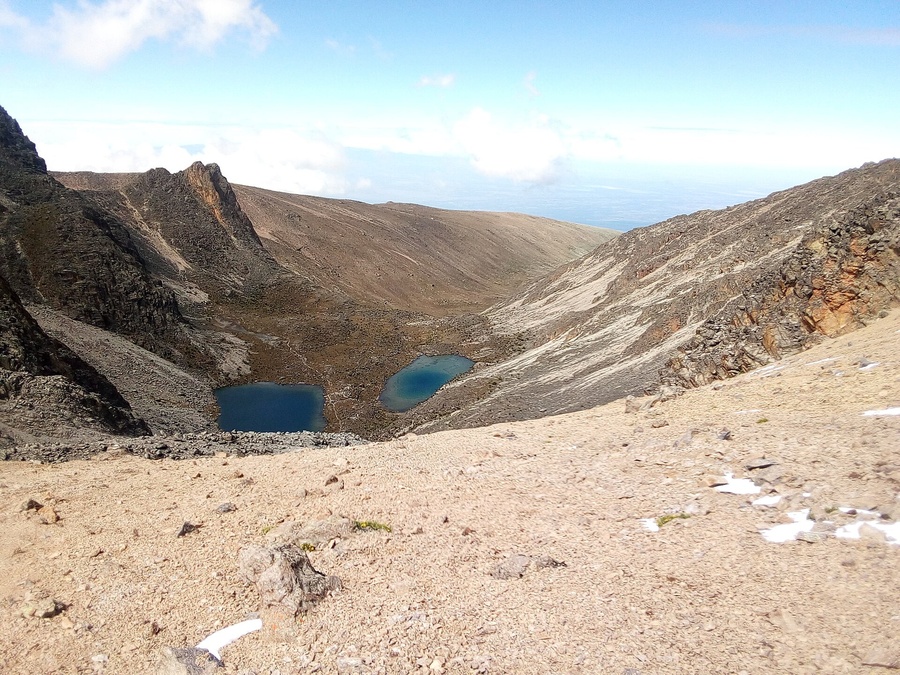
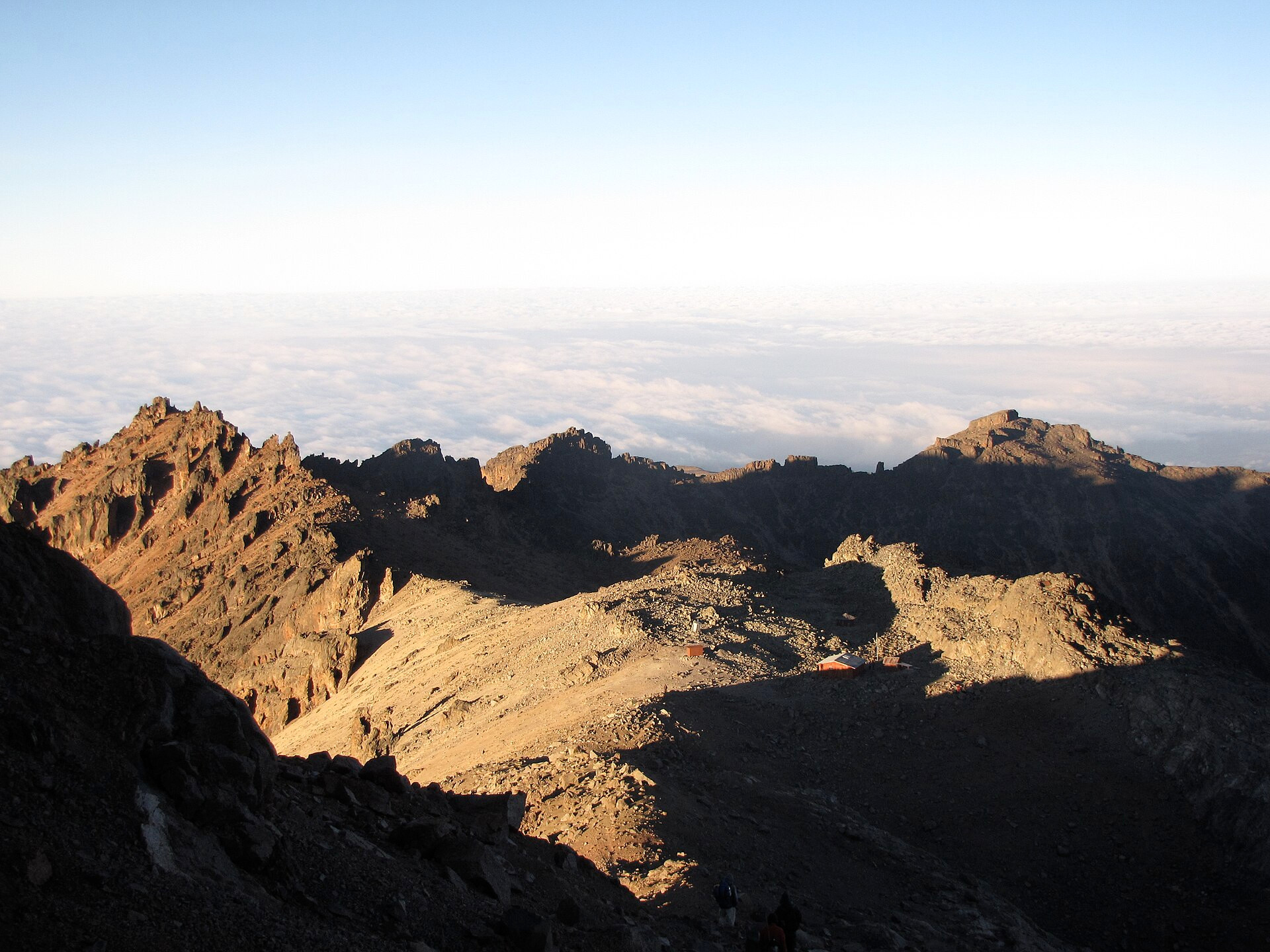
Point Lenana, 4,985 metresOn summit day you get up in the dark. With a head torch and every layer on, you climb over scree and rock at a steady rhythm, with short breaks. It is cold and the air is thin, so every step is slower than at home. At first light you stand on Point Lenana, with Batian and Nelion right beside you and the shadow of the mountain across the plain. After the summit we descend, back to thicker air and warmer nights.
What makes this
expedition unique?
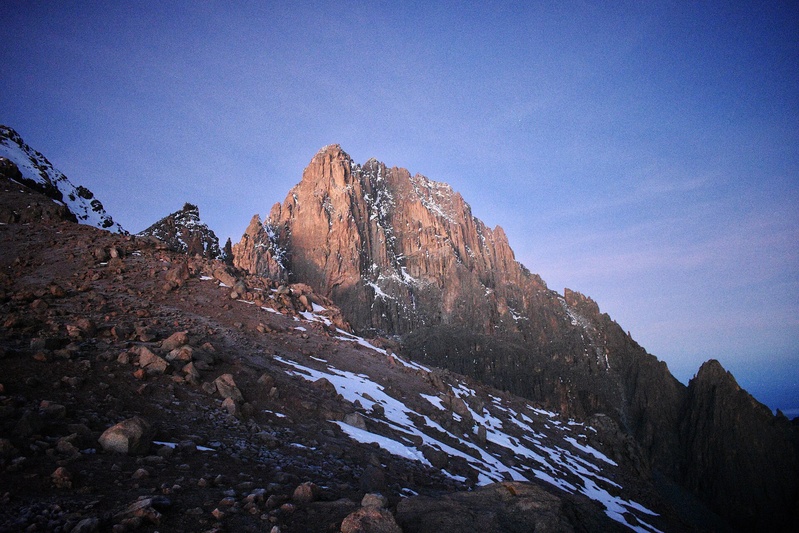
Africa's second highest mountain
Point Lenana at 4,985 metres, the highest summit of Mount Kenya you can reach on foot.
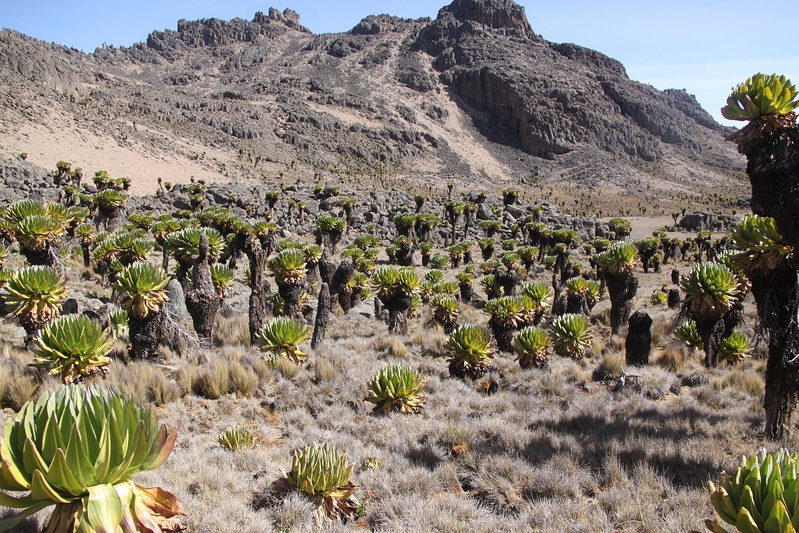
From bamboo to bare rock
Bamboo forest, moorland, valleys of giant plants and rock: a different landscape every day.
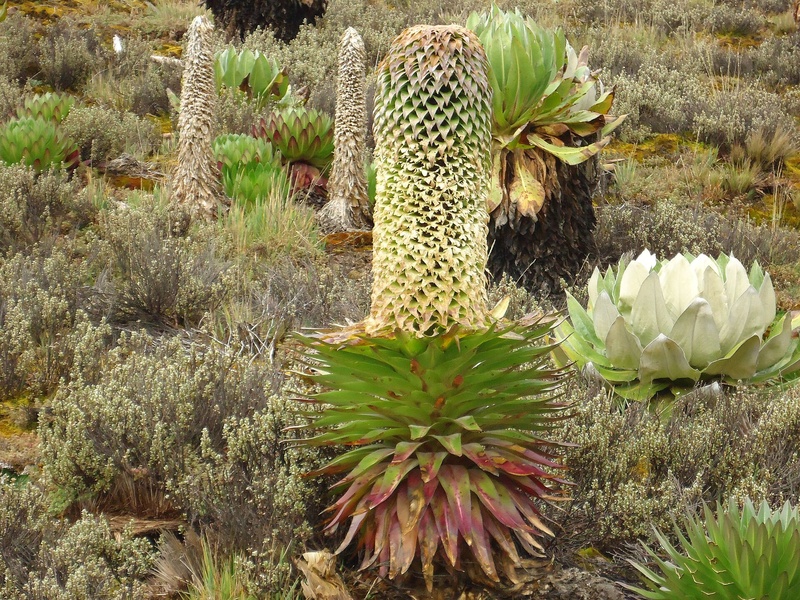
Plants found nowhere else
Giant plants several metres tall, found only on a handful of high mountains near the equator.
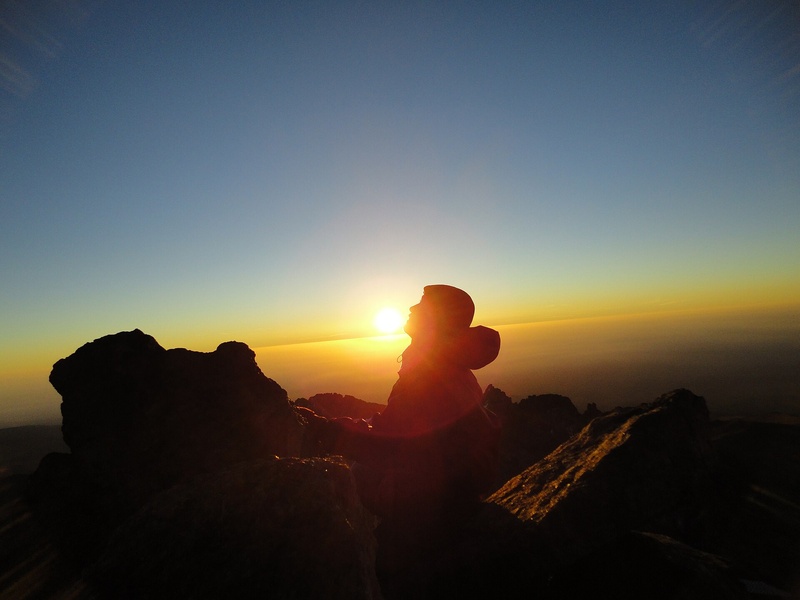
Sunrise on the summit
A summit day that starts in the dark, with first light at almost five thousand metres.
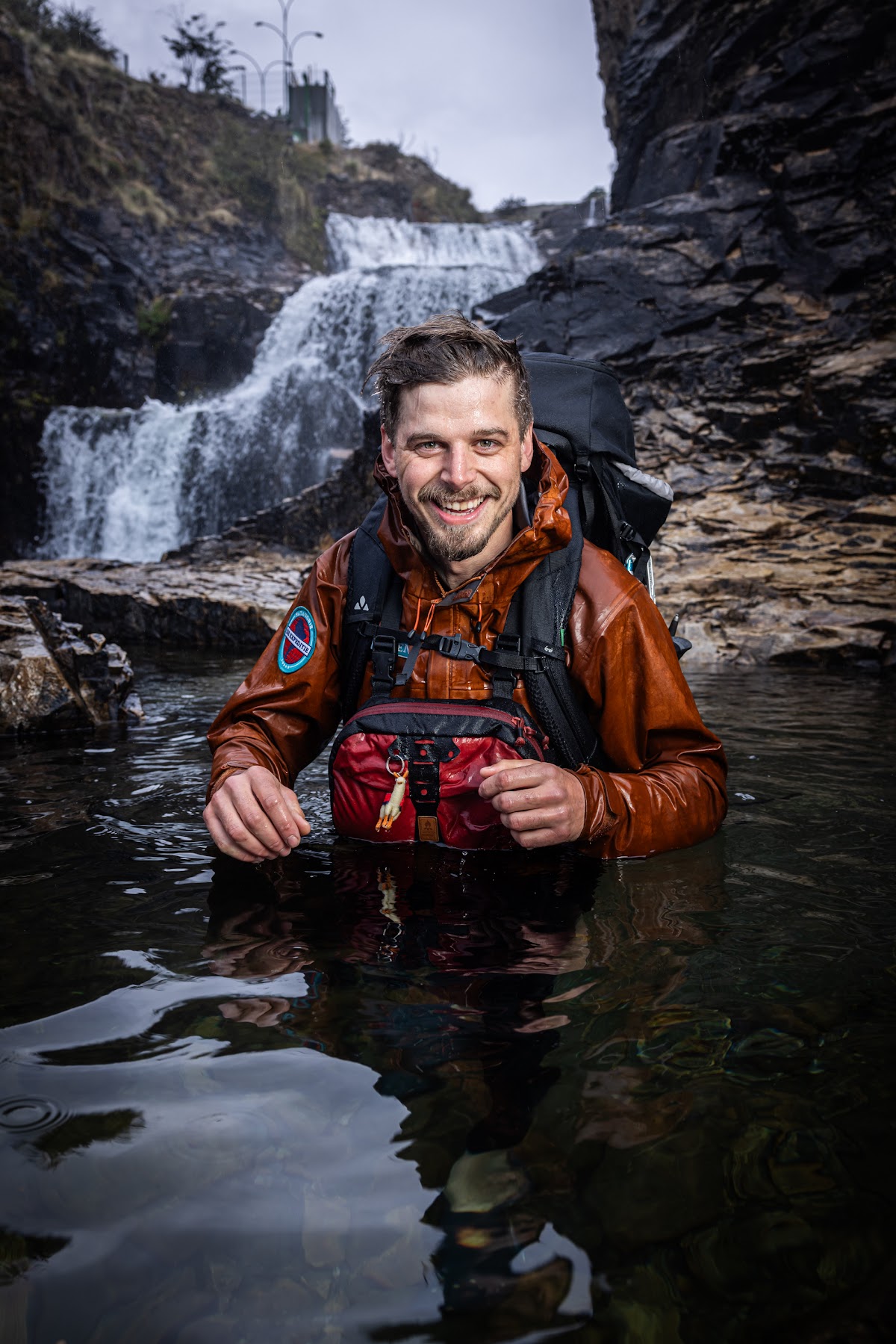
On Mount Kenya the altitude is the real challenge, not the technique. Go too fast and you pay for it higher up the mountain. That is why from day one we walk slower than you would like, drink a lot and check every evening how everyone is doing. That way you start summit day with something in reserve.Koen De LeeuwFounder and expedition leader, known from De Expeditie on PlayParacommando · Wilderness First Responder Meet Koen
 De Expeditie
 De Tijd
 Humo
 Play Media
How we
work
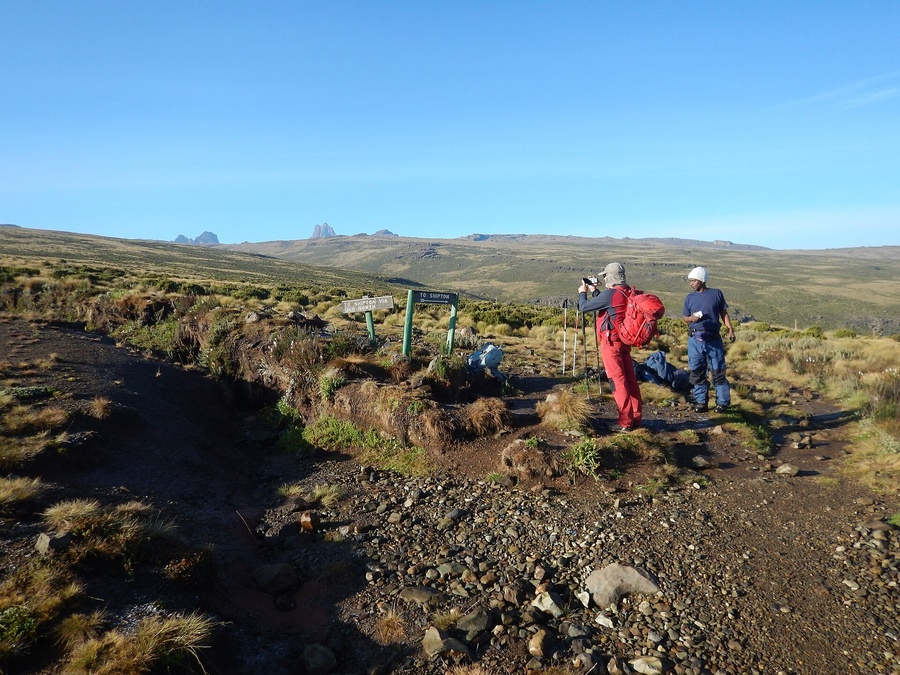
Self-sufficient,
never alone
On the mountain we are off grid. We take water from the mountain streams and filter it, eat expedition food and sleep in tents on the mountain, together with a locally certified mountain crew of cooks and porters.
You learn to walk at altitude, spread your energy over long days and read the signals of your own body, together with an experienced X Guide you meet long before departure, during the preparation programme.
Safety and
guidance
You step into nature, away from the beaten track, but always with experienced guidance and safety first.
Safety is our top priority. Our X Guides are professionally trained, hold a Wilderness First Responder certificate and have years of experience in extreme conditions.
We carry satellite phones and GPS tracking, do a daily health check with oxygen saturation measurement and work with fixed safety procedures, an evacuation plan and local support in Kenya.
Before departure we carry out a thorough risk analysis and prepare everything down to the last detail.
Preparation
of 3 to 6 months
The programme starts after you sign up with a kick off. Monthly group training sessions and a technical training follow, with a final check two weeks before departure.
Everything
at a glance
All prices are per person and exclude flights. We book flights together with you during the preparation programme.
- Departure
- January to February 2028
- Duration
- ± 9 days
- Level
- Challenge4/5
- Group
- 6 to 12 participants
- Price
- €6,100 ppIncl. preparation programme
Included
- Full 3 to 6 month preparation programme
- Professional X Guides
- Locally certified mountain crew (mountain leaders, cooks, porters)
- All permits and park fees
- Tents, survival gear and sleeping setup
- Navigation, jetboils, water filters
- All overnight stays
- All meals during the expedition
- All local transport
- All local tips
Not included
- Flights
- Transport to and from the airport
- Personal clothing (top, bottom, footwear)
- Insurance (cancellation and search and rescue)
Frequently asked questions
See all questionsHow high is Mount Kenya?
Mount Kenya is 5,199 metres high, making it the second highest mountain in Africa after Kilimanjaro. Its two highest summits, Batian (5,199 metres) and Nelion (5,188 metres), can only be reached with rock climbing and rope work. We go to Point Lenana, at 4,985 metres: the highest summit on the mountain you can reach on foot.
How do I get to Mount Kenya?
You fly from Brussels to Nairobi. From Nairobi we drive about 150 kilometres north with the group to the foot of the mountain. Local transport is included. We book your flights with you during the preparation programme; they are invoiced separately.
Mount Kenya or Kilimanjaro: what is the difference?
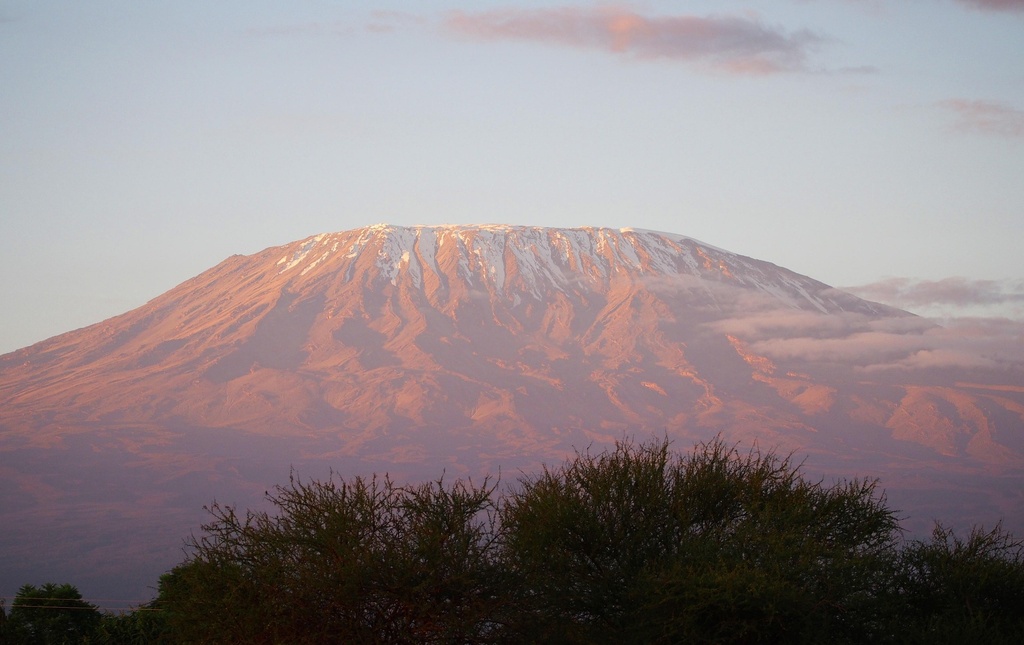
Kilimanjaro is higher (5,895 metres) and much busier. Mount Kenya is lower but wilder: a mountain of sharp rock peaks, remnants of glaciers and mountain lakes, where you meet far fewer other groups. Neither needs climbing technique for the summit we choose, and on both the altitude is the main challenge.
How hard is the expedition?
The level is Challenge (4/5). No climbing technique is needed, but you walk several days in a row at altitude and summit day starts long before sunrise, in the cold. Endurance and a steady pace matter more than speed. You do not need to be a top athlete: in the preparation programme you work towards it, with training advice and monthly group training sessions.
Will I get altitude sickness?
From around 2,500 metres anyone can be affected by altitude sickness, however fit they are. That is why we climb gradually, walk at a steady pace, drink plenty and measure your oxygen saturation every day. Our X Guides know the signs and decide with you when someone needs rest or has to descend.
What is the weather like on Mount Kenya in January and February?
January and February fall in the dry season, with the clearest mornings of the year. At the foot of the mountain it is warm during the day. Higher up the sun is strong, but it freezes at night, and on summit day you set off before sunrise in temperatures below zero. You receive a packing list built on layers, which we go through together at the kick off.
How safe is an expedition on Mount Kenya?
Safety is our top priority. Our X Guides hold a Wilderness First Responder certificate, we carry satellite communication, do a daily health check with oxygen saturation measurement and work with an evacuation plan and fixed safety procedures. On site we work with a locally certified mountain crew.
What is included and what is not?
Included: the 3 to 6 month preparation programme, professional X Guides, a locally certified mountain crew, all permits and park fees, all local transport, tents, survival gear and sleeping setup, all overnight stays and all meals during the expedition, and local tips. Not included: flights, transport to and from the airport, personal clothing and insurance (cancellation and search and rescue).
Other expeditions
View all expeditions
Sign up for
expedition updates
Stay one step ahead of the adventure. Receive the latest news and exclusive information about our expeditions in the wilderness.
Unsubscribe whenever you like. Read our privacy policy.
Your expedition to Mount Kenya
starts with a conversation
Your preparation is included and starts 3 to 6 months before departure.