The story of
this expedition
You fly from Brussels to Marrakesh, then drive south with the group over the Atlas to Foum Zguid, on the edge of the desert. That evening we get the desert carts ready. The next morning a 4x4 drops us in the Sahara, waits until everything is unloaded and drives back. From then on there are no roads, no signal and no village to walk to.
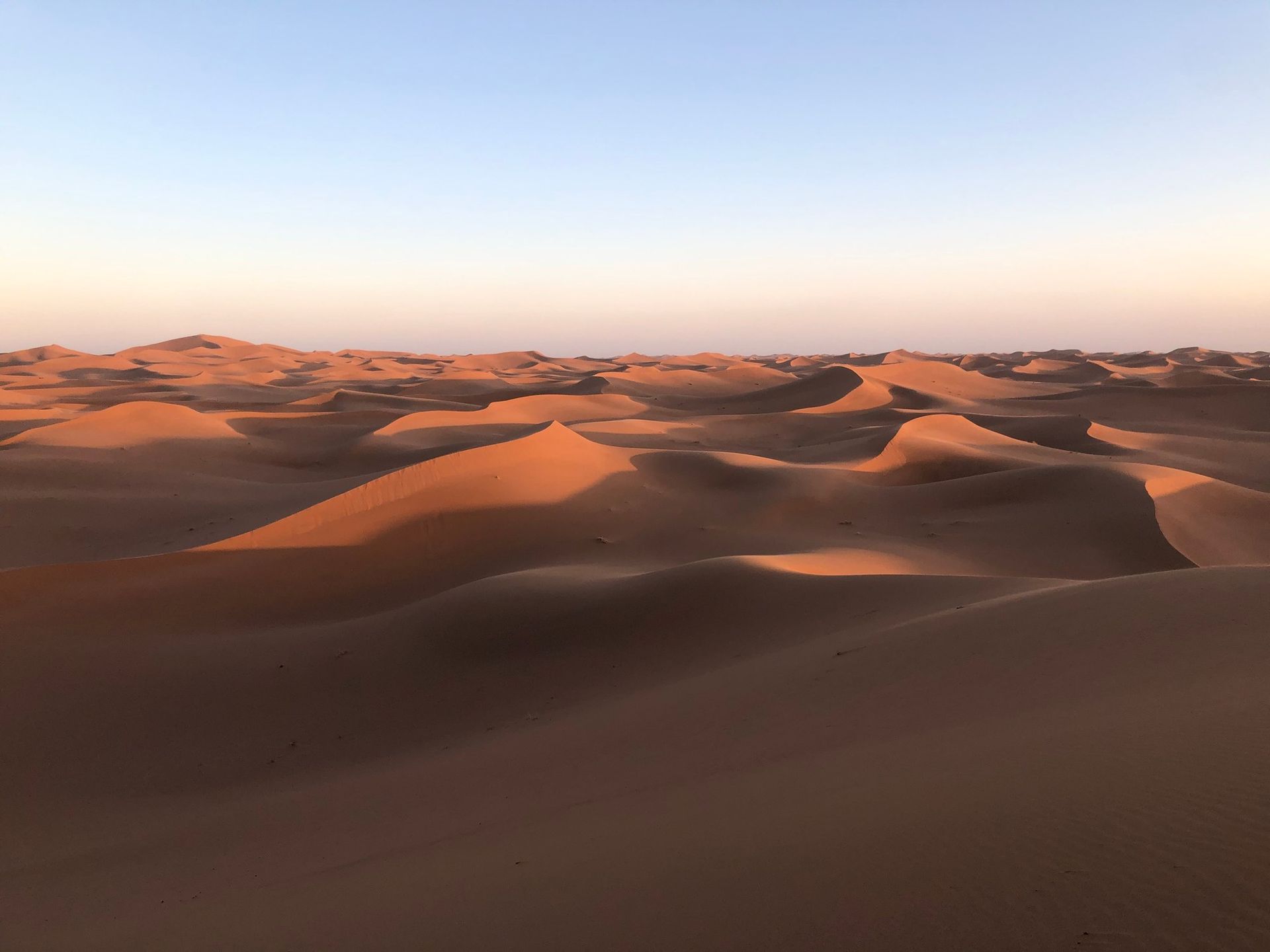
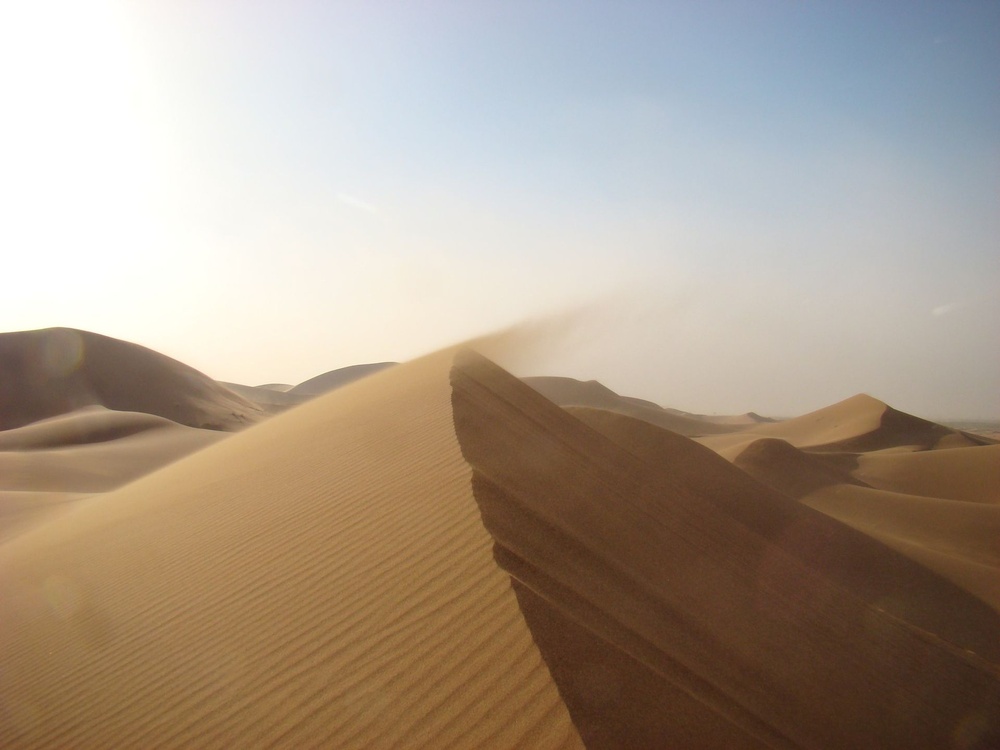
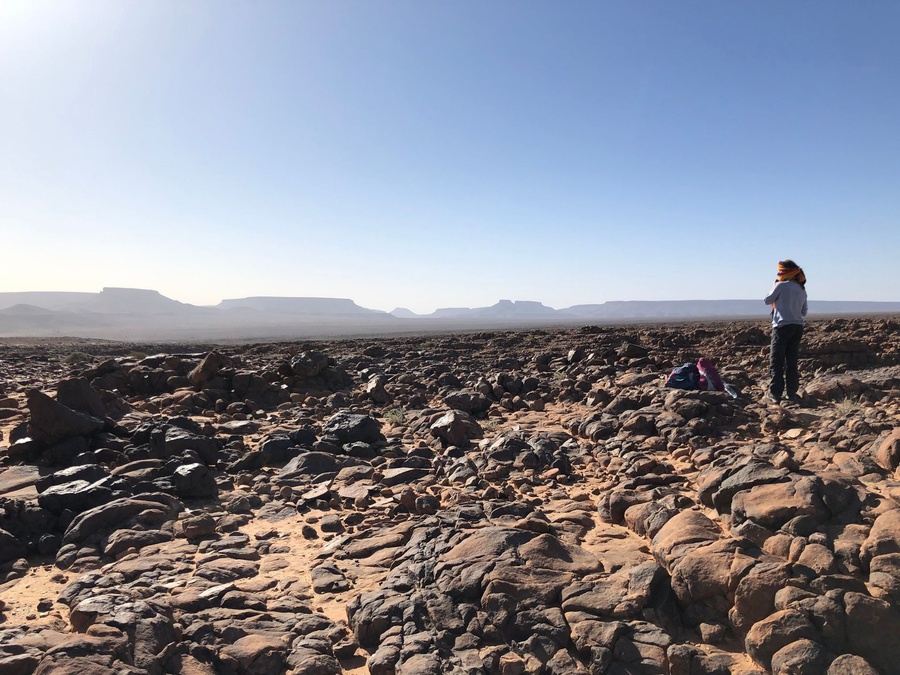
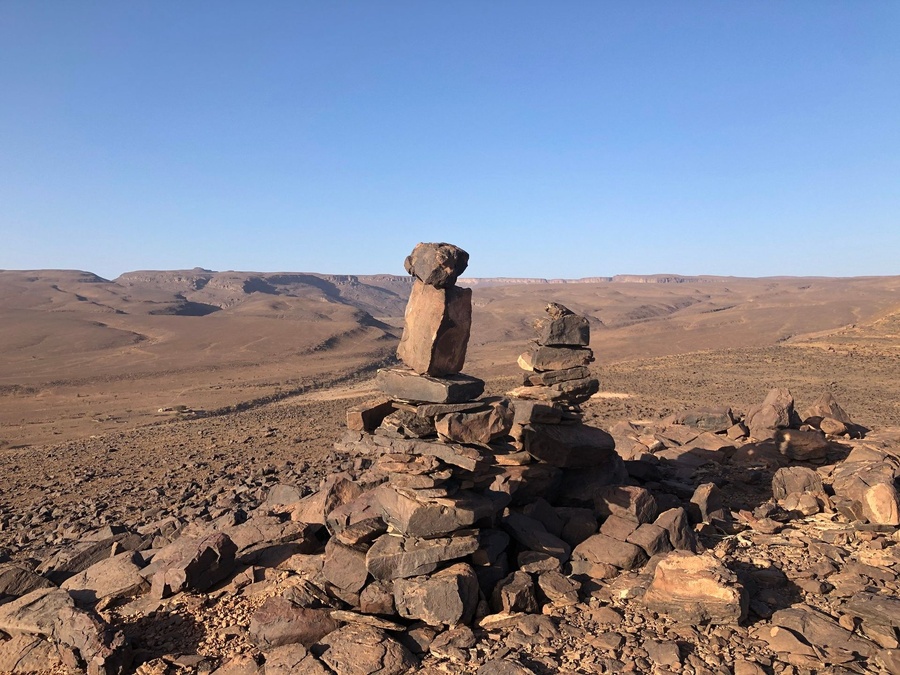
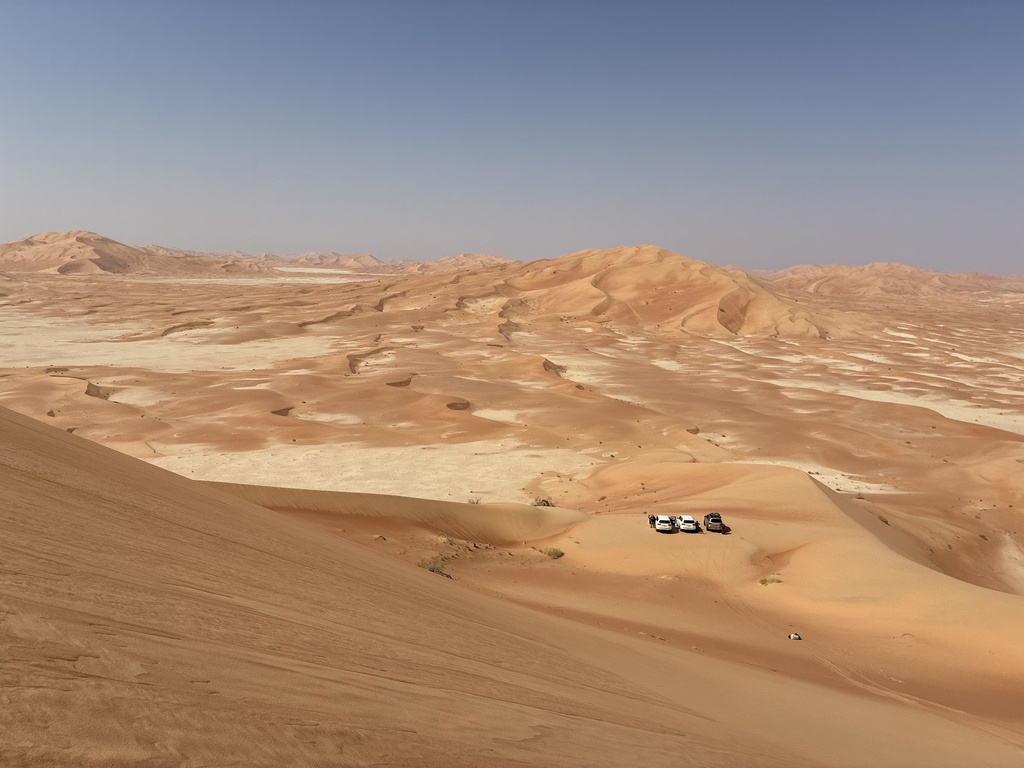
We head east on foot, across plains of black stone and over the dunes. All our water is in the desert carts, which we pull and push ourselves, and we sleep outside in a bivvy bag wherever the wind allows. We cook our own expedition food on the stove and set off early in the morning.
Nobody here simply follows. The group shares the tasks: who navigates, who watches the weather, who looks after the carts and the first aid. After several days we reach the highest dunes, where the 4x4 picks us up and takes us to M'Hamid El Ghizlane. That is why we prepare you for months: you are not here to watch, you help lead.
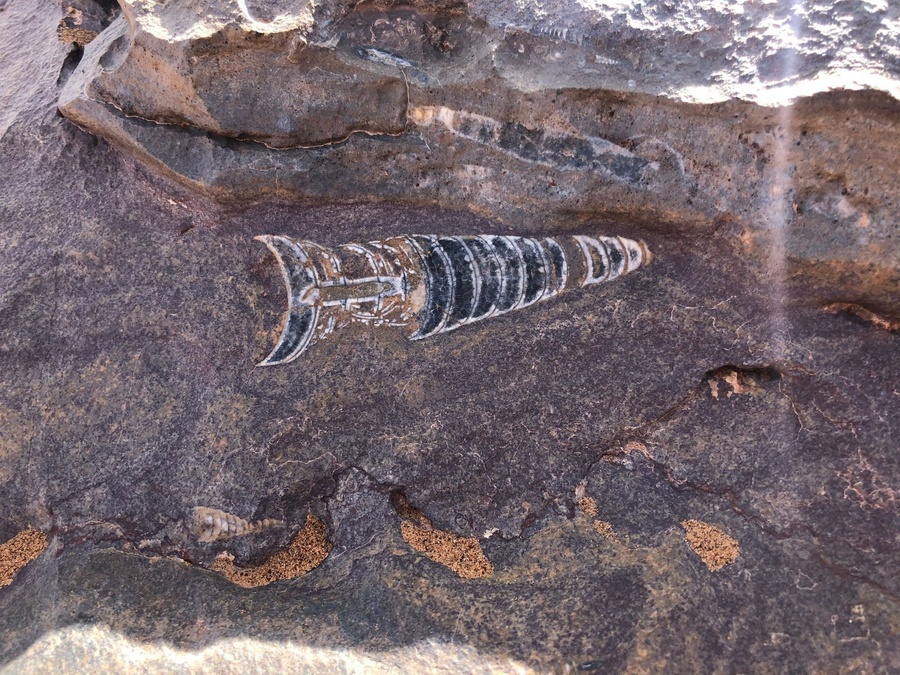
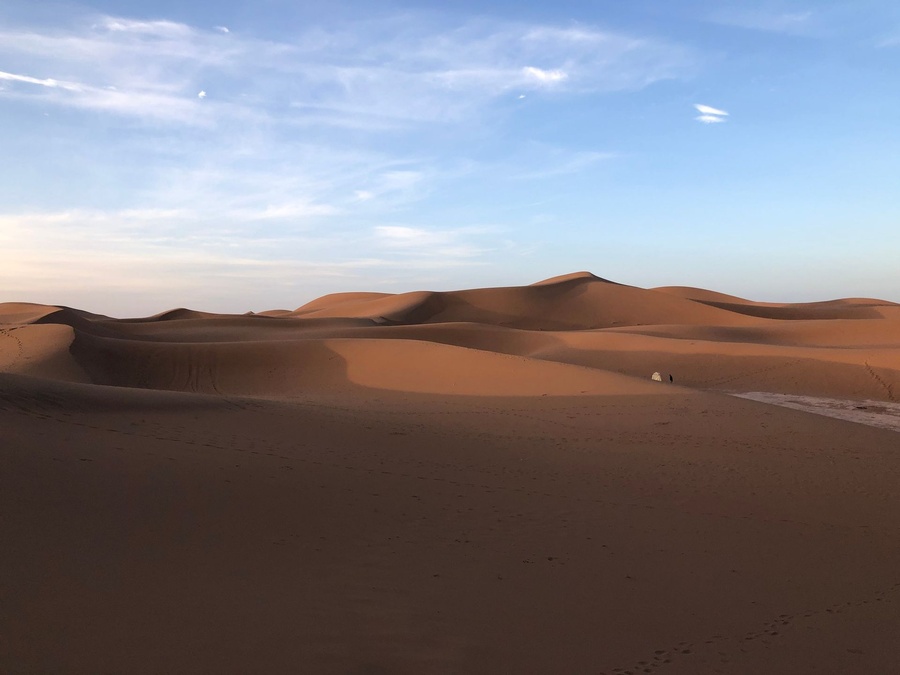
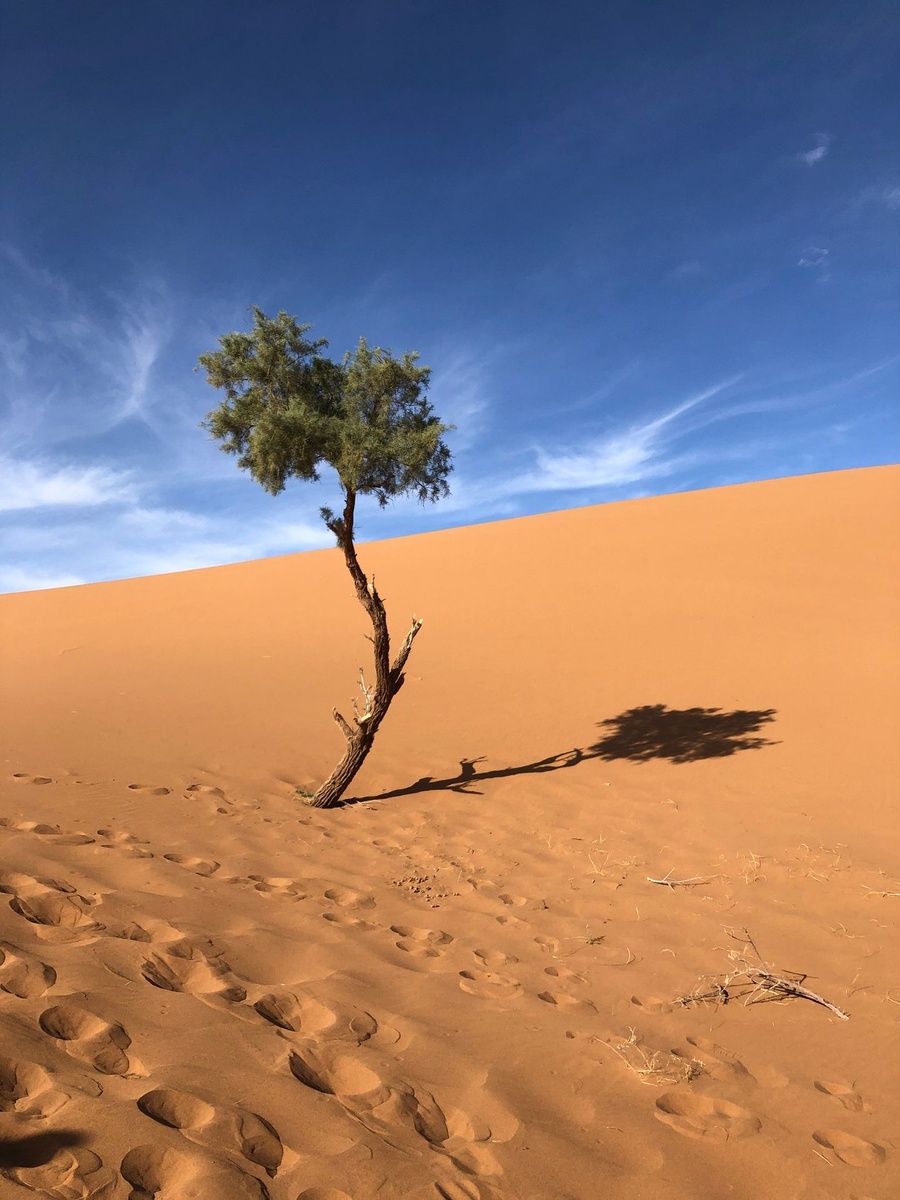
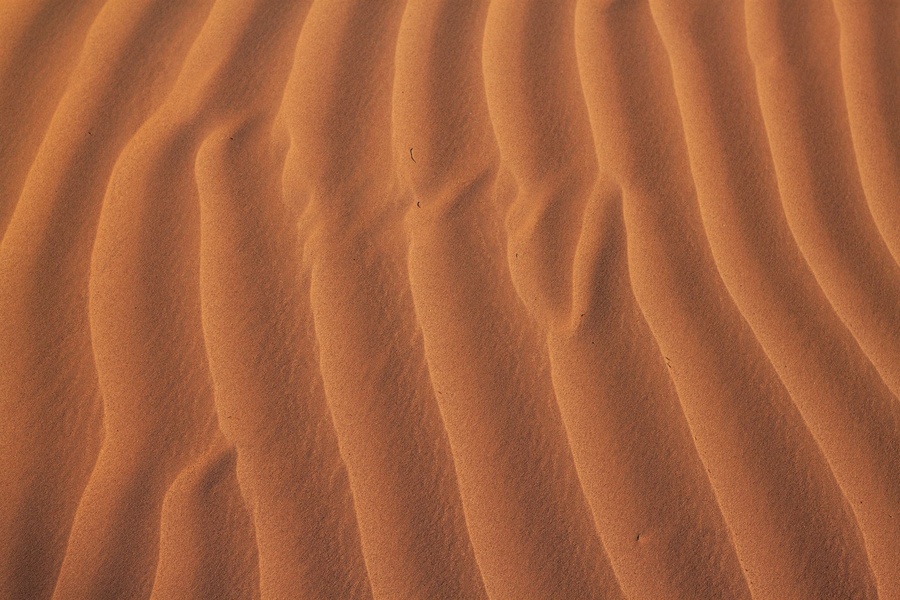
On foot
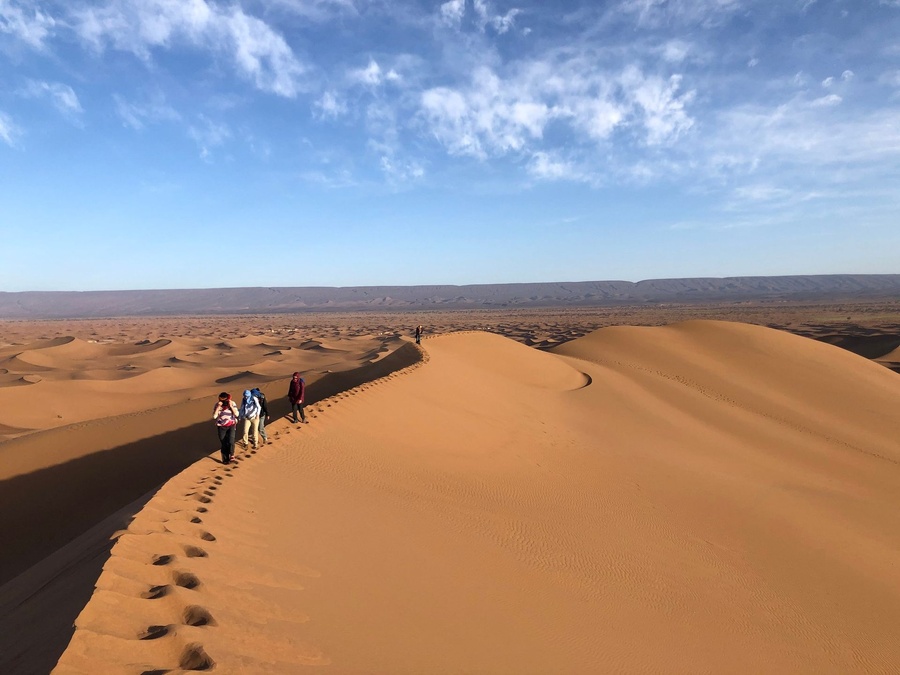
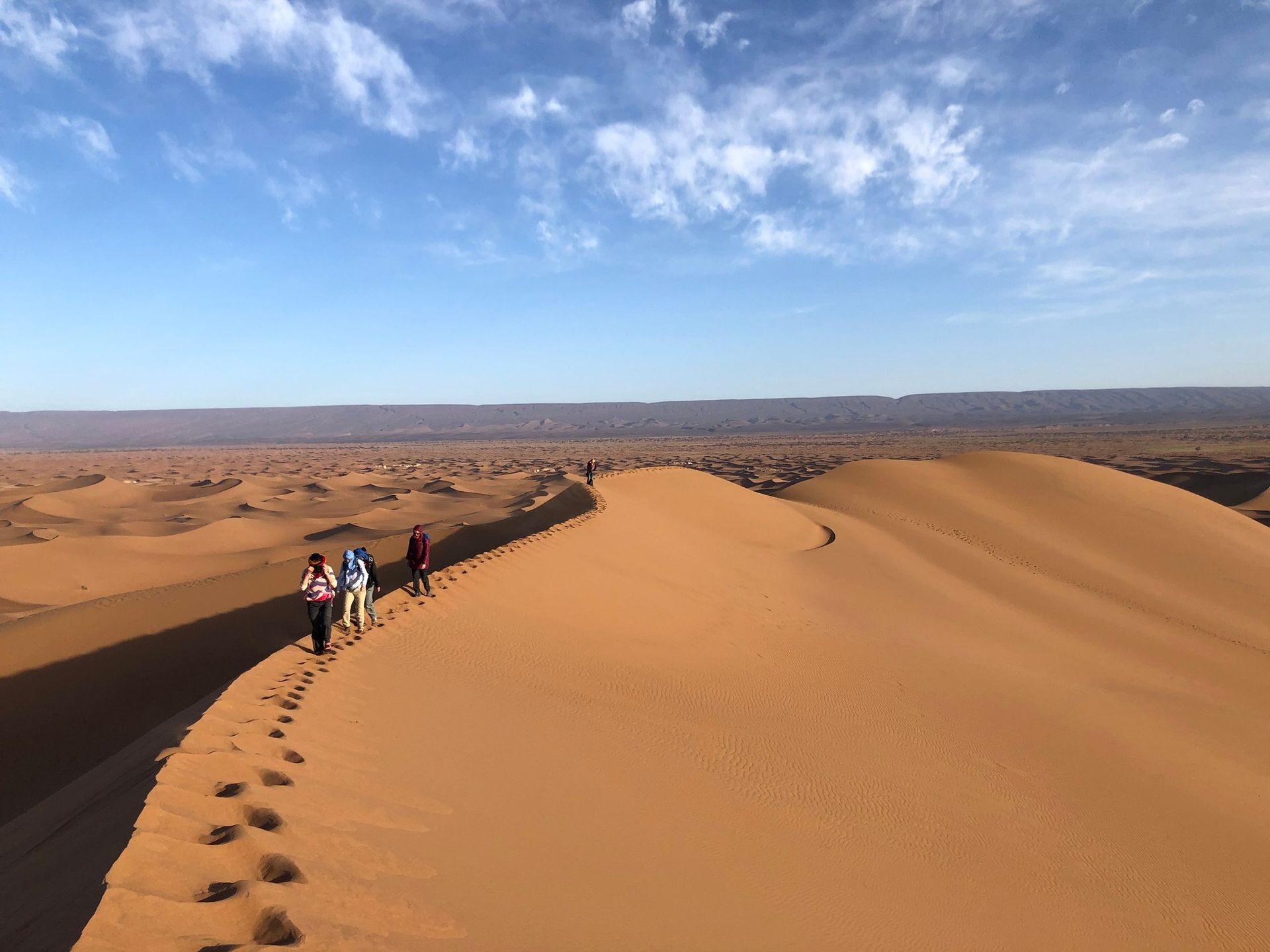
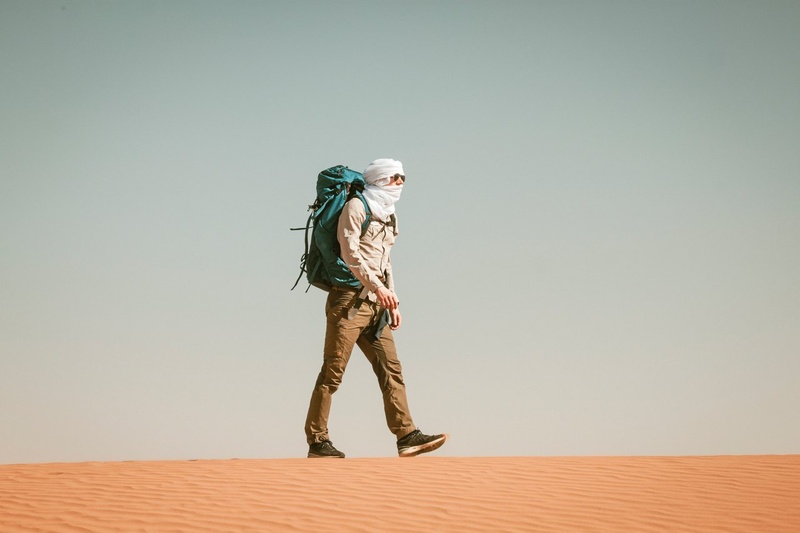
through sand and stoneA day in the desert starts early and ends at camp for the night. The ground keeps changing: hard plains strewn with black stones, soft dunes where you sink in with every step, and long ridges from which you see the group stretched out ahead. You carry your own rucksack with your clothes, your sleeping kit, the food for the day and two litres of water. You learn to walk in loose sand: shorter steps, a steady pace, in the footprints of whoever is in front. A three metre scarf wrapped around your head keeps out the sun and the sand.
Under your own power
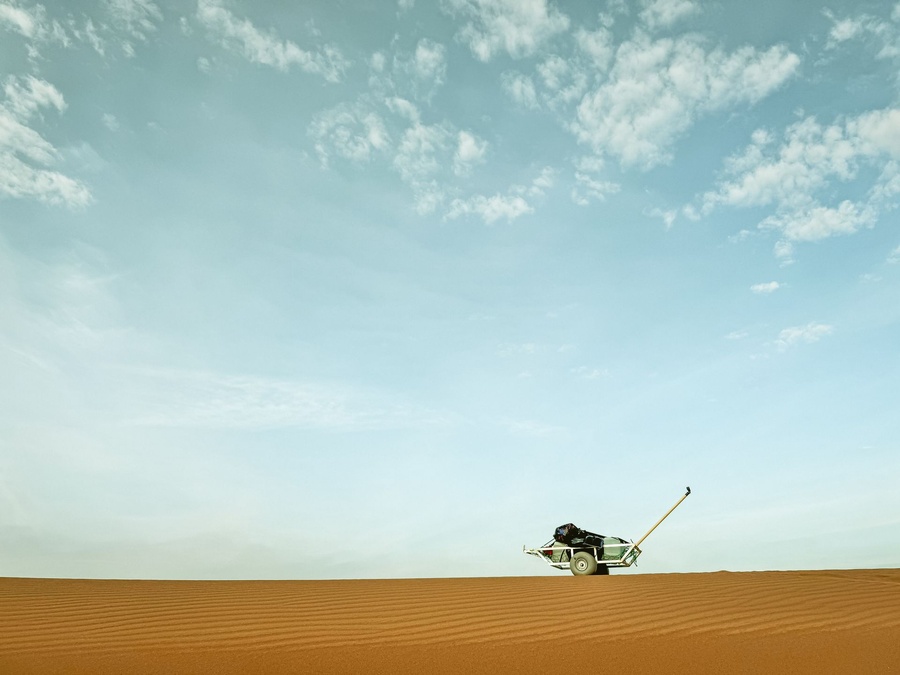
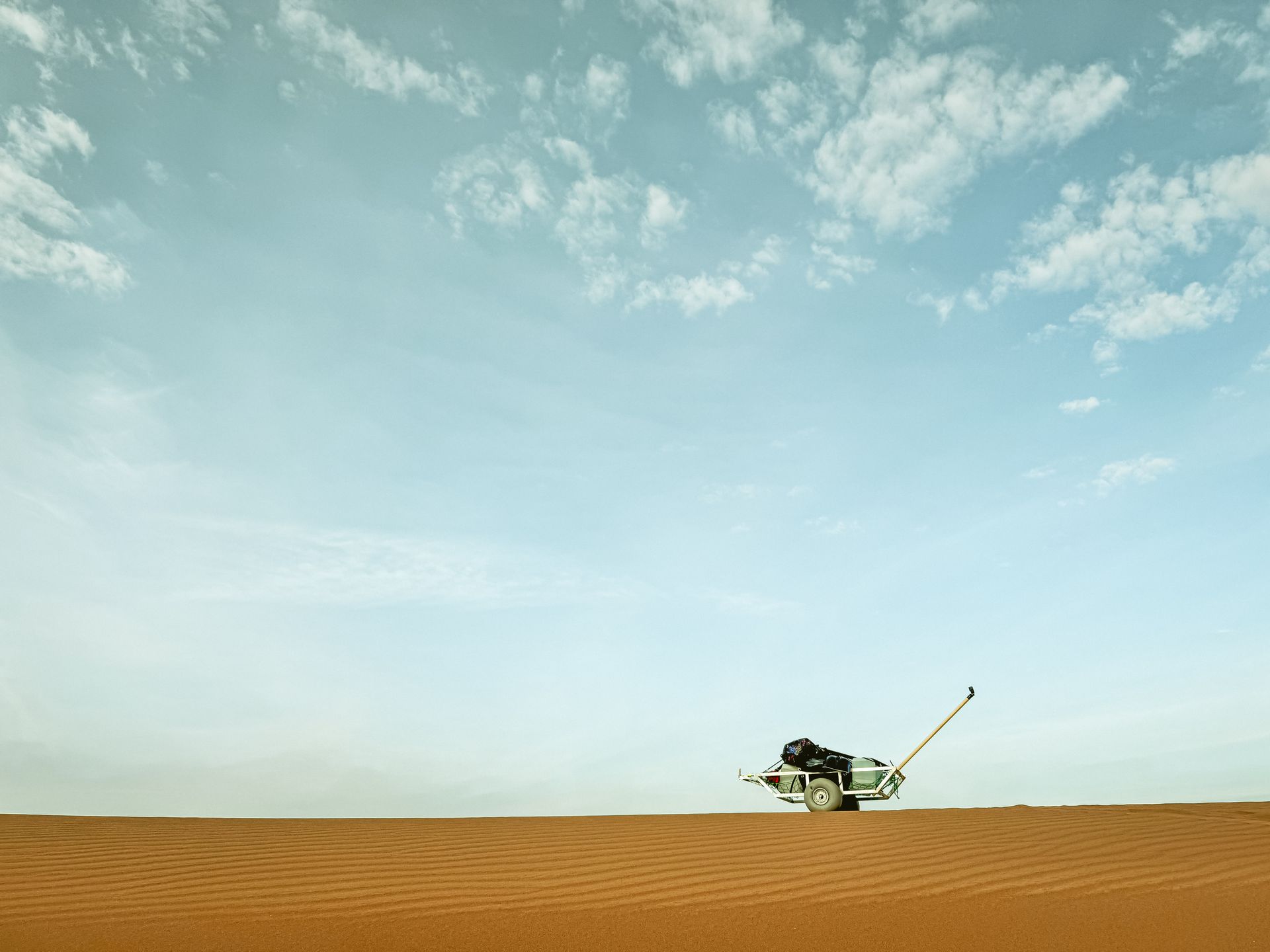
with the desert cartNo camel and no jeep carries your kit here. The water for the whole group, around 25 litres per person, rides in desert carts on wide tyres, and we pull and push them ourselves. On hard ground they roll easily; in soft sand and up a dune they only move when everyone lends a hand. When a tyre goes flat, whoever is mechanic that day fixes it while the rest help or wait. You feel straight away how much water weighs, and why you use it sparingly.
Outside
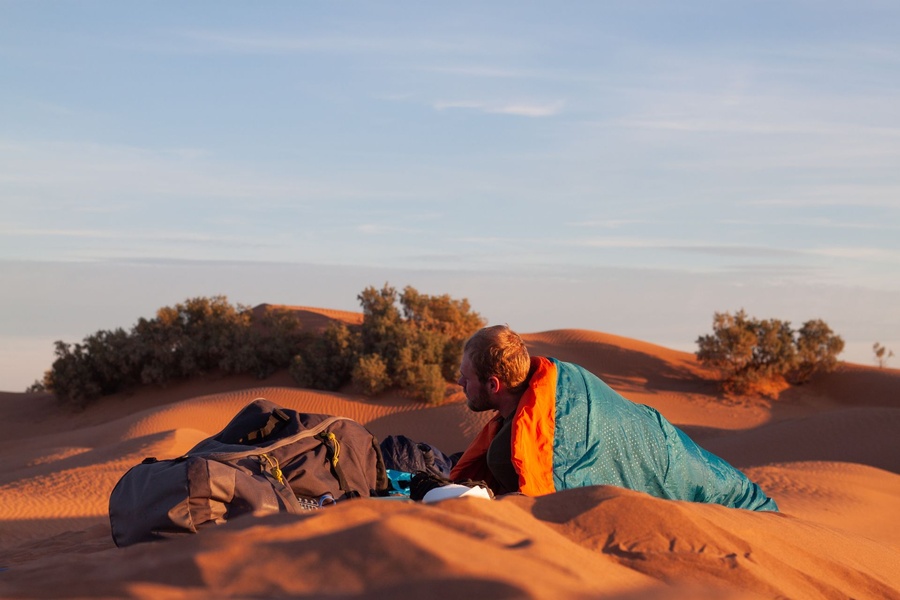
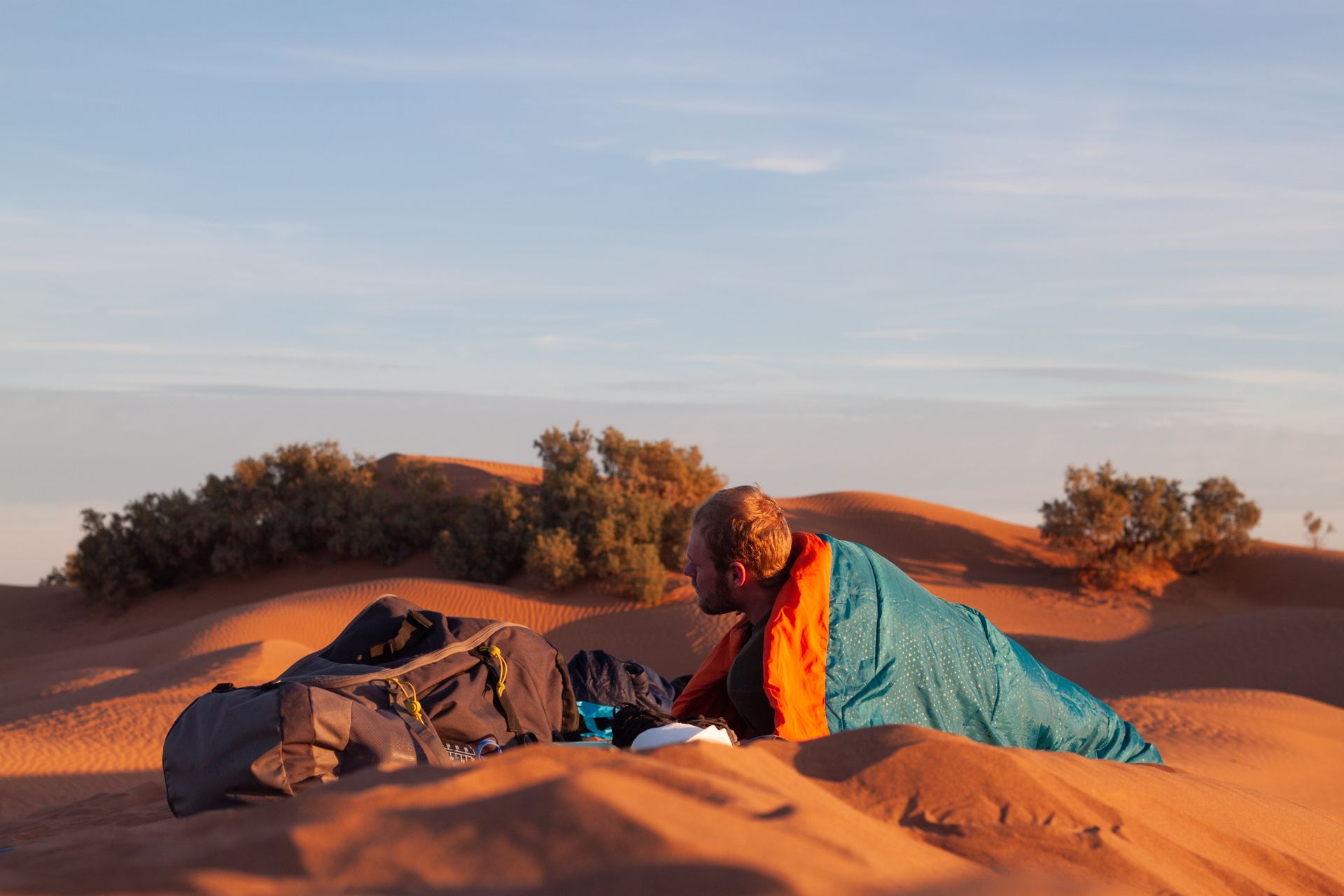
under the starsWe sleep without a tent, in a bivvy bag on a mat, in the lee of a dune. Element X provides your sleeping bag, mat and bivvy bag, and we carry tarps for a night with strong wind. There is no light anywhere nearby, so once the sun goes down the stars come out over the dunes. After a warm day, nights in November usually cool to 5 to 15 degrees. You cook on the stove, the group keeps its logbook, and you get into your sleeping bag early, because the next morning we set off early again.
What makes this
expedition unique?
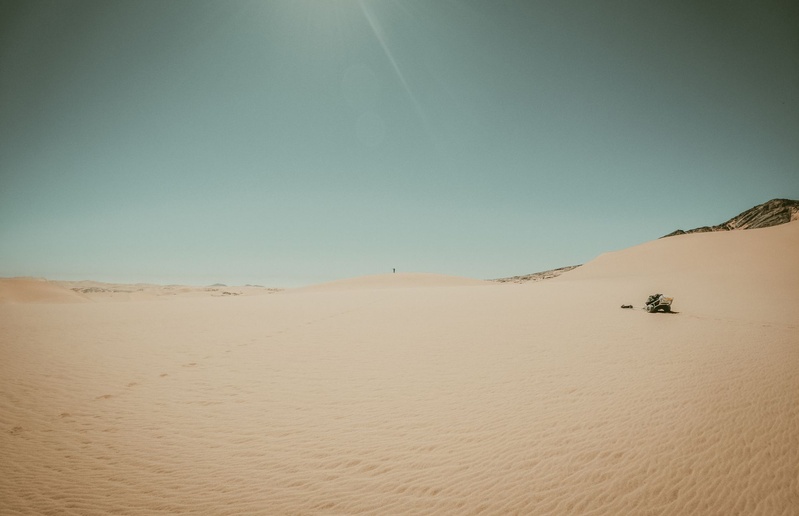
Dropped in the desert
A 4x4 drops the group in the Sahara and only picks you up days later at the highest dunes.
Navigating by compass
Compass, map and the position of the sun, across stony plains and trackless dunes.
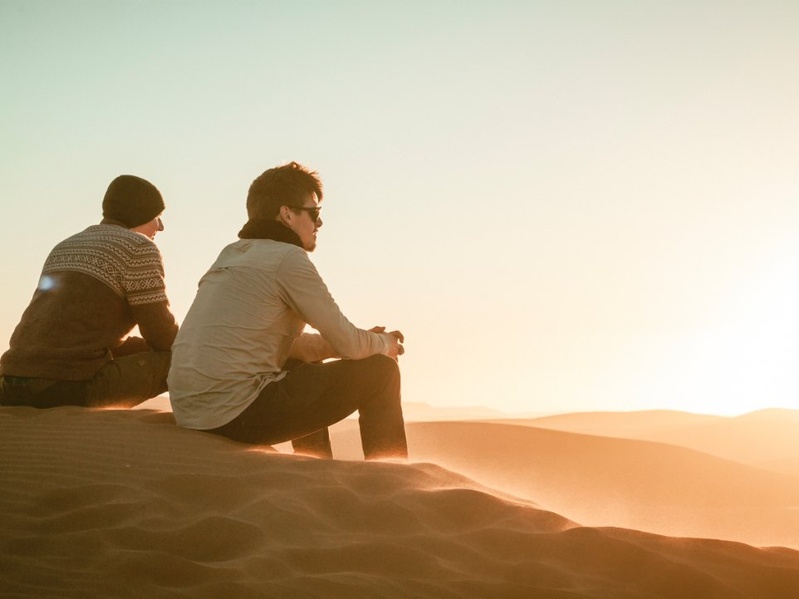
Leading together
Everyone takes a role: navigator, weather, camp, first aid or mechanic.
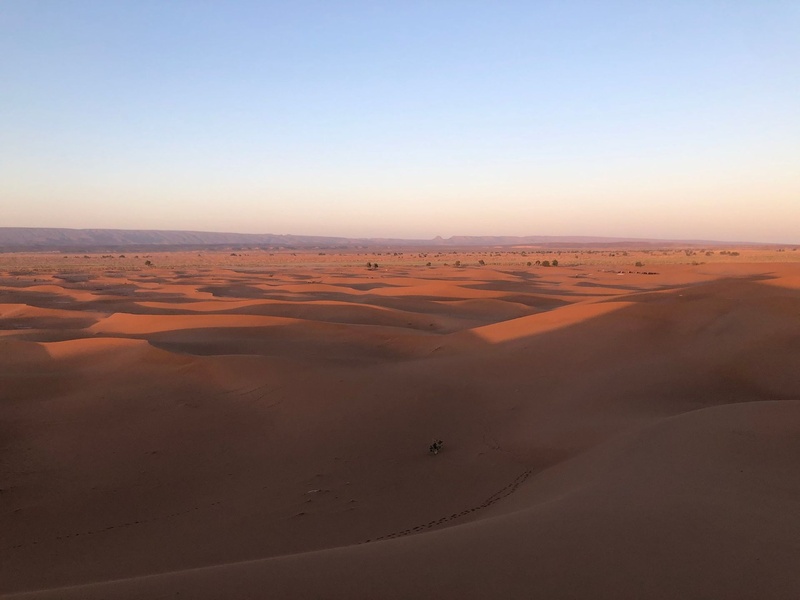
Nights without a roof
Sleeping in a bivvy bag under the stars, far from any light.
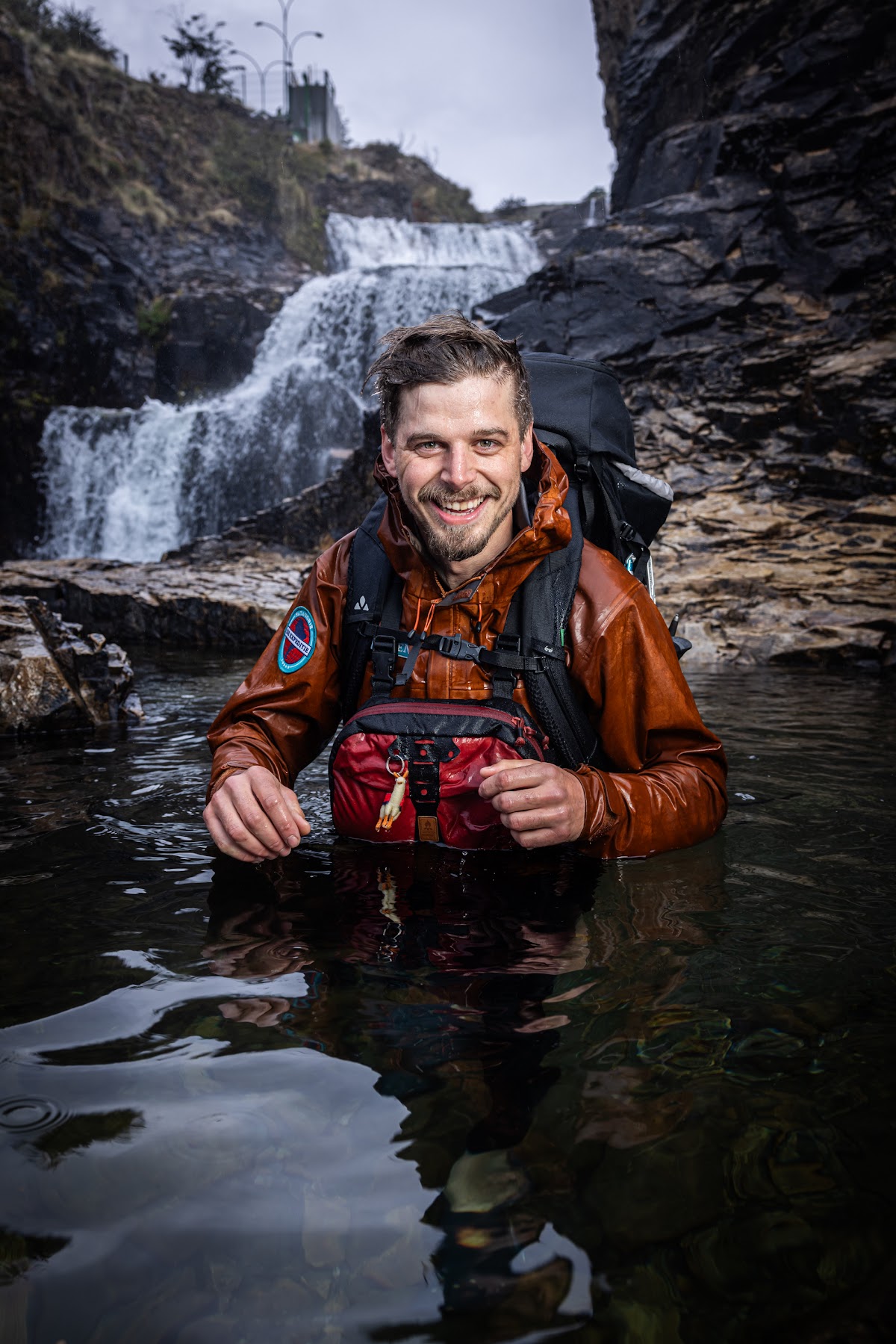
In the desert, water and pace decide everything. Set off too fast and you pay for it in the afternoon; wait until you are thirsty and you are already too late. So we walk at a steady rhythm and drink at fixed moments. We practise that during the preparation, so you don't have to learn it out there.Koen De LeeuwFounder and expedition leader, known from De Expeditie on PlayParacommando · Wilderness First Responder Meet Koen
 De Expeditie
 De Tijd
 Humo
 Play Media
How we
work
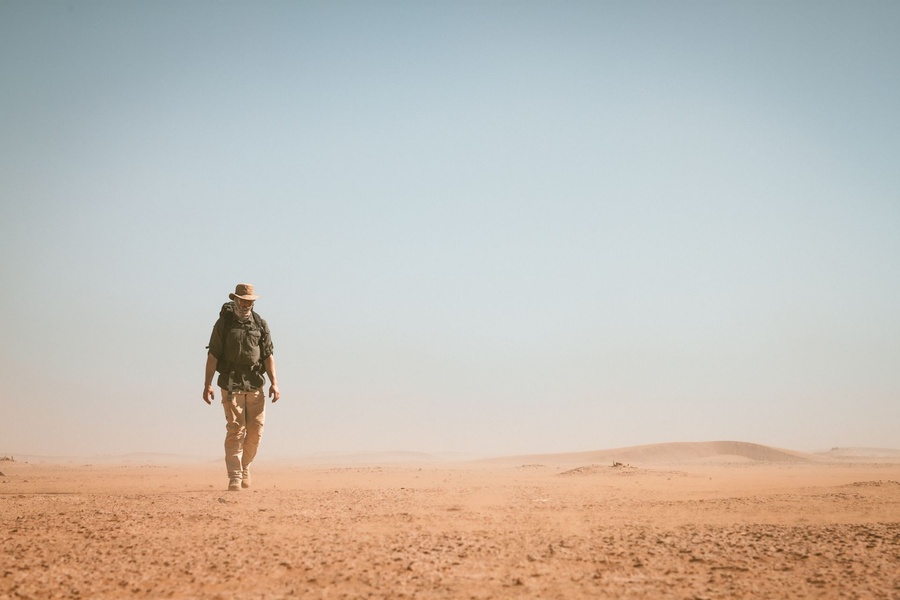
Self-sufficient,
never alone
Once the 4x4 drives off, we are off grid. All our water is in the desert carts, we cook our own expedition food on the stove and sleep outside in a bivvy bag, wherever the wind allows.
You learn to navigate with map and compass, to ration your water over the days and to repair a desert cart when a tyre gives out, alongside an experienced X Guide you will have met long before, during the preparation programme.
Safety and
guidance
You step into the wild, away from the beaten track, but always with experienced leadership and safety first.
Safety is our top priority. Our X Guides are professionally trained, hold a Wilderness First Responder certificate and have years of experience in extreme conditions.
We carry satellite communication and first aid, work with an evacuation plan and fixed safety procedures, and a local partner with a 4x4 stands by in Morocco.
Before departure we carry out a thorough risk assessment: heat, sun, sandstorms, orientation, snakes and scorpions. We go through it together at the kick off.
Preparation
of 3 to 6 months
The programme starts after you sign up with a kick off. Monthly group training sessions and a technical training follow, with a final check two weeks before departure.
Everything
at a glance
All prices are per person and exclude flights. We book flights together with you during the preparation programme.
- Departure
- 11/11 to 17/11/2028
- Duration
- 7 days
- Level
- Adventure3/5
- Group
- 6 to 12 participants
- Price
- €4,200 ppIncl. preparation programme
Included
- Full 3 to 6 month preparation programme
- Professional X Guides
- Desert carts and drinking water for the whole expedition
- 4x4 drop and pick up in the desert
- Rucksack, sleeping bag, mat and bivvy bag
- Navigation, stoves, satellite communication and first aid
- Scarf and sand goggles
- All overnight stays
- All meals during the expedition
- All local transport
- All local tips
Not included
- Flights
- Transport to and from the airport
- Personal clothing (top, bottom, footwear)
- Insurance (cancellation + search and rescue)
Frequently asked questions
See all questionsWhere in the Sahara do we go, and how do I get there?
In southern Morocco, in the Sahara between Foum Zguid and M'Hamid El Ghizlane. You fly to Marrakesh and drive south over the Atlas with the group. A 4x4 drops us in the desert and picks us up again at the end of the expedition. Local transport is included. We book flights with you during the preparation programme; they are invoiced separately.
How hot is the Sahara in November, and at night?
During the day it is usually between 20 and 28 degrees, with strong sun and dry air. At night it cools down, usually to 5 to 15 degrees. That is why we go in November, once the summer heat is over. You get a packing list with layers for day and night, which we go through together at the kick off.
How hard is the expedition?
You are on the move for long days, on foot through loose sand and over stony plains, and together with the group you pull and push the desert carts with the water. You carry your own rucksack with clothes, sleeping kit, food and two litres of water. The level is Adventure (3/5): endurance matters more than technique. You don't need any desert experience: the preparation programme builds you up to this level.
Where do we sleep during the expedition?
Outside, without a tent: in a bivvy bag on a mat, in the lee of a dune. Element X provides your rucksack, sleeping bag, mat and bivvy bag, which you receive before departure. We carry tarps for nights with strong wind. Before and after the desert you stay in a hotel.
Do we walk with camels?
No. On this expedition no camel and no jeep carries your kit. The water for the whole group rides in desert carts that we pull together, and you carry your own things in your rucksack. That makes you truly independent, from the drop to the pick up.
What should I wear in the desert?
Light, long clothing that protects your skin from the sun, a warm layer for the evening, and sturdy but light shoes with gaiters against the sand. You get a long scarf for your head and sand goggles from us. At the kick off we go through the packing list: what Element X provides and what you bring yourself.
Is a Sahara expedition safe?
Safety is our top priority. Our X Guides hold a Wilderness First Responder certificate, we carry satellite communication and first aid, and we work with an evacuation plan and fixed safety procedures. A local partner with a 4x4 stands by. Heat, sun, sandstorms and orientation are the main risks; we prepare for them together during the preparation programme.
What is included and what is not?
Included: the 3 to 6 month preparation programme, professional X Guides, the desert carts and drinking water, the 4x4 drop and pick up, rucksack, sleeping bag, mat and bivvy bag, all overnight stays, all meals during the expedition and all local transport. Not included: flights, transport to and from the airport, personal clothing and insurance (cancellation and search and rescue).
Other expeditions
View all expeditions
Sign up for
expedition updates
Stay one step ahead of the adventure. Receive the latest news and exclusive information about our expeditions in the wilderness.
Unsubscribe whenever you like. Read our privacy policy.
Your expedition through the Sahara
starts with a conversation
Your preparation is included and starts 3 to 6 months before departure.