EXPEDITION NICARAGUA | FEBRUARY 2028
Sleeping on a volcano
Days on the slopes of volcanoes that still smoke, nights with lava beneath you, and a lake as big as a sea to cross.
The story of this expedition
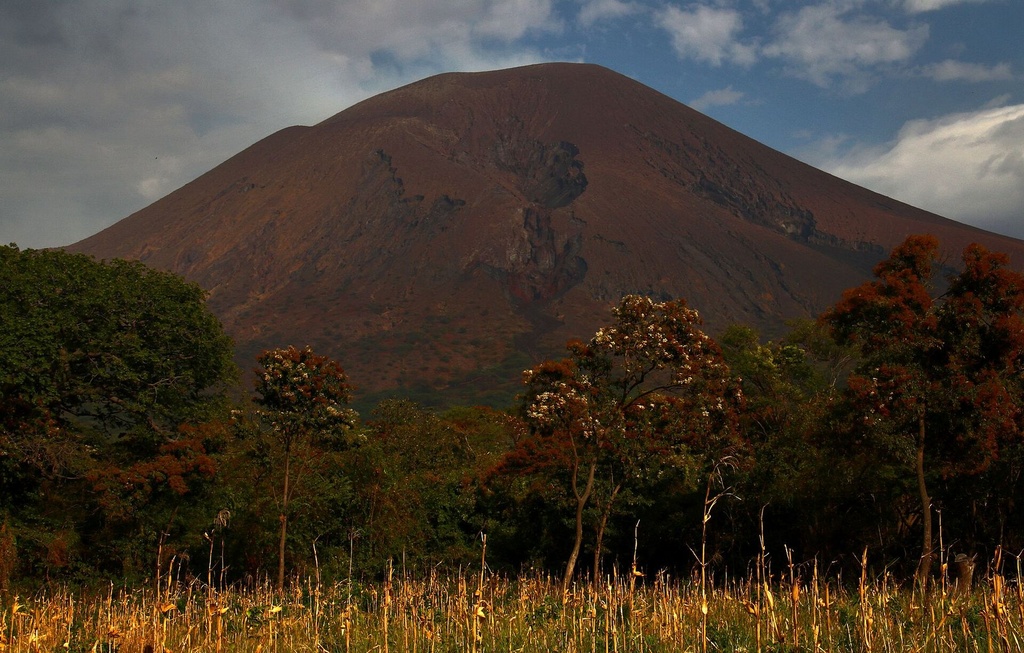
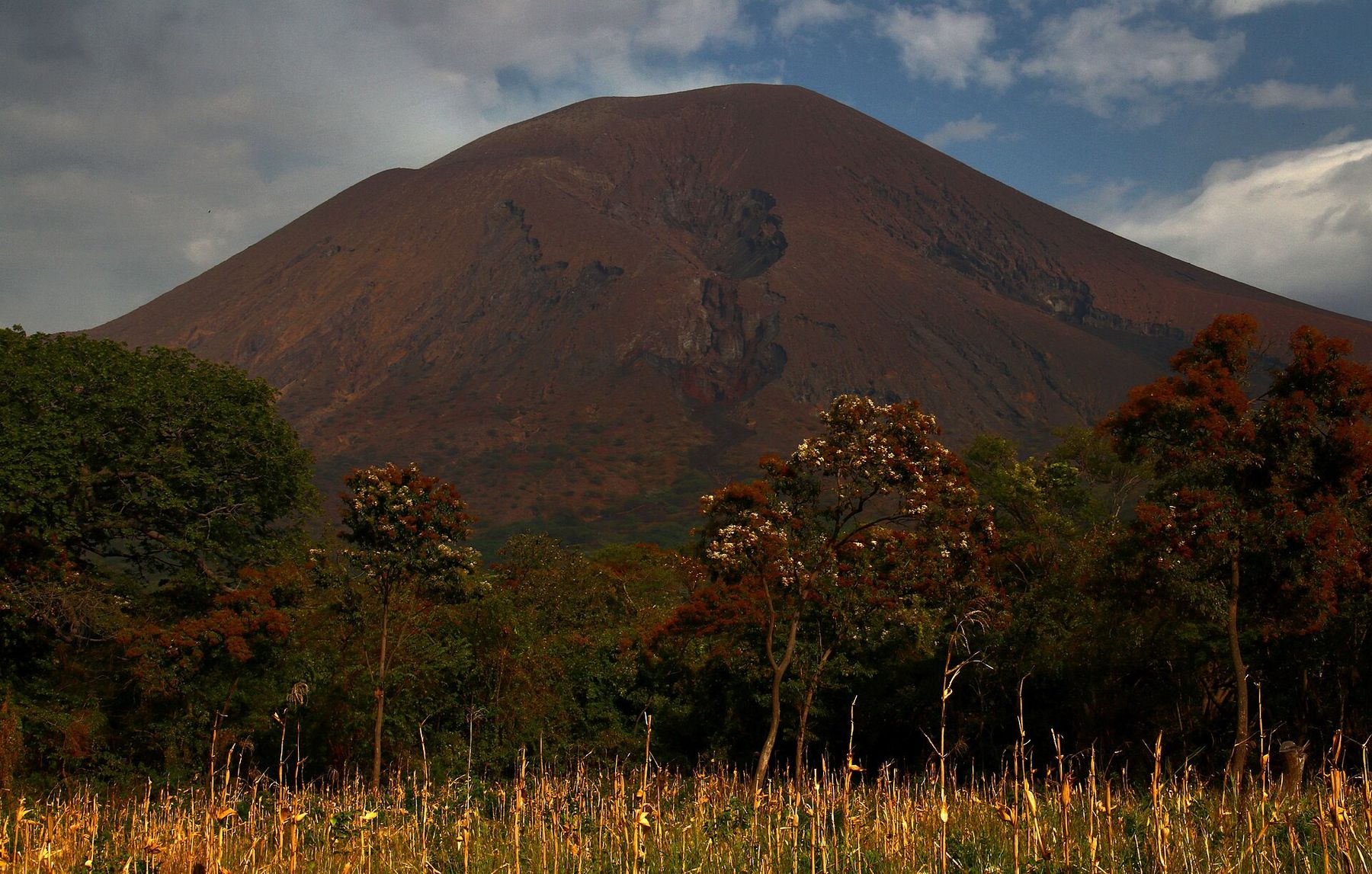
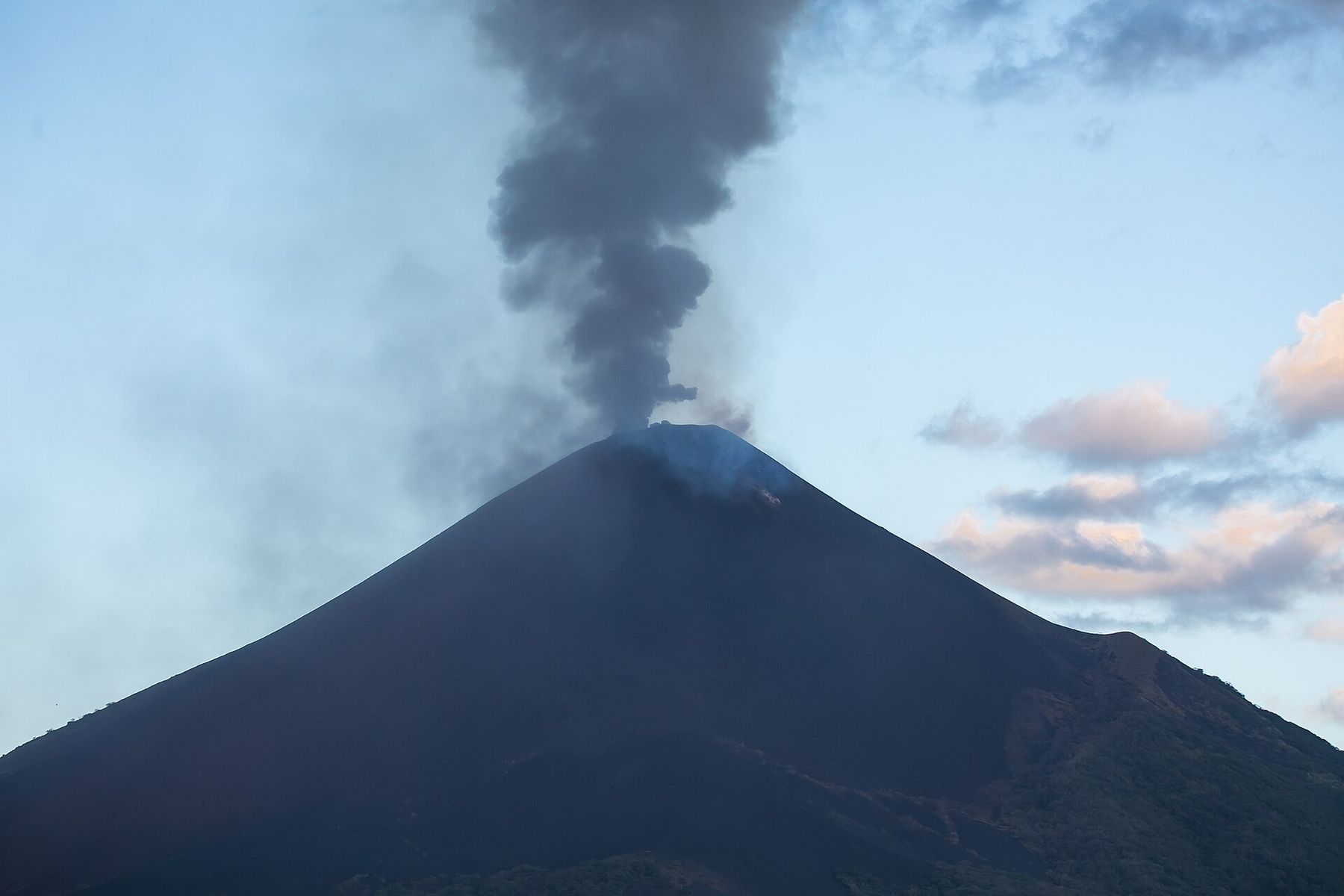
From Brussels you fly to Central America and drive on to the foot of the volcanic chain. There the asphalt ends and the dry forest begins. The first cone stands in front of you, the next one behind it, and so on all the way to the lake. From then on we move on our own strength: on foot over loose ash to crater rims that still smoke, by kayak across a lake with a swell like at sea, and one night on the slope with a lava lake beneath you.

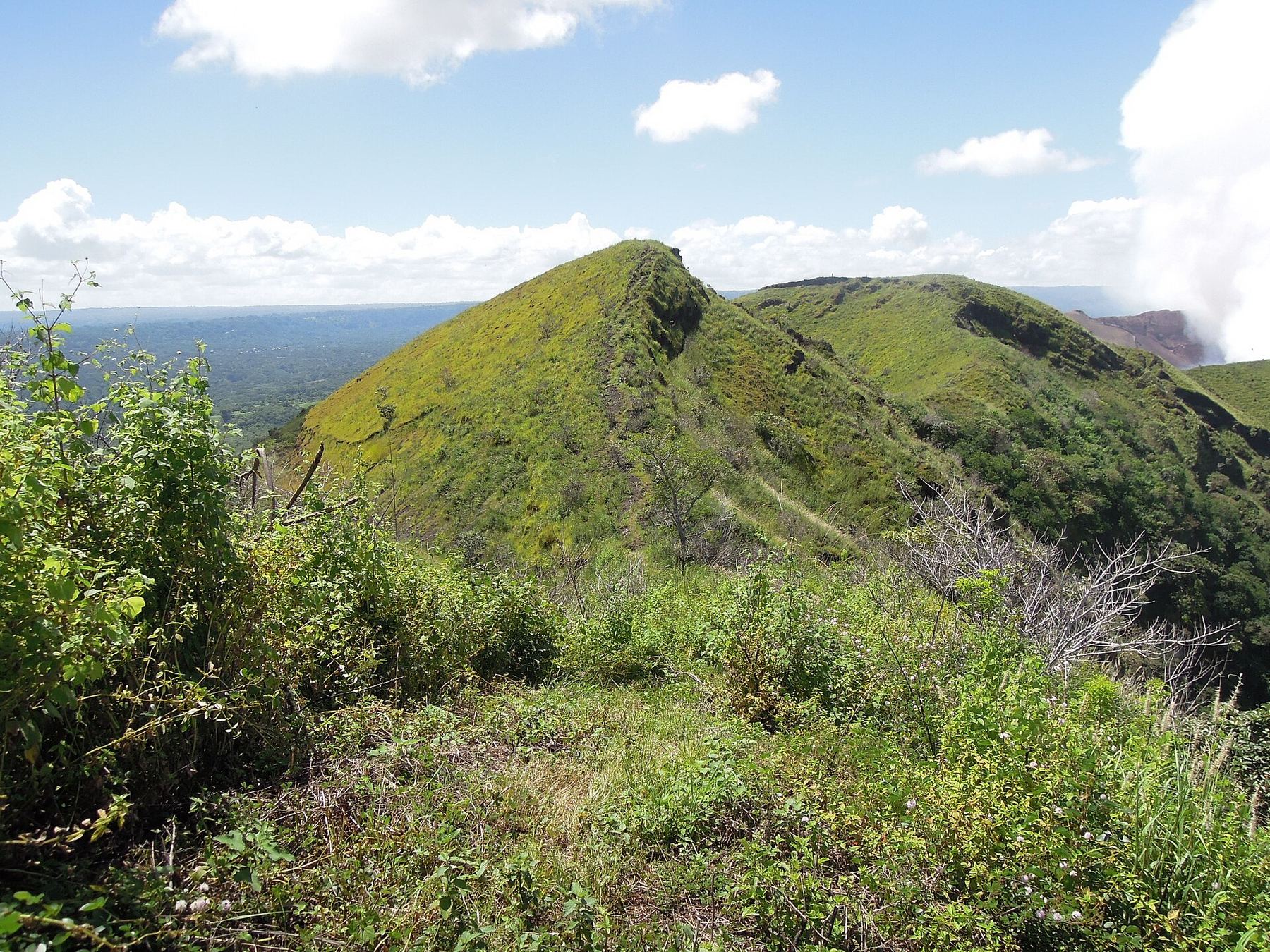
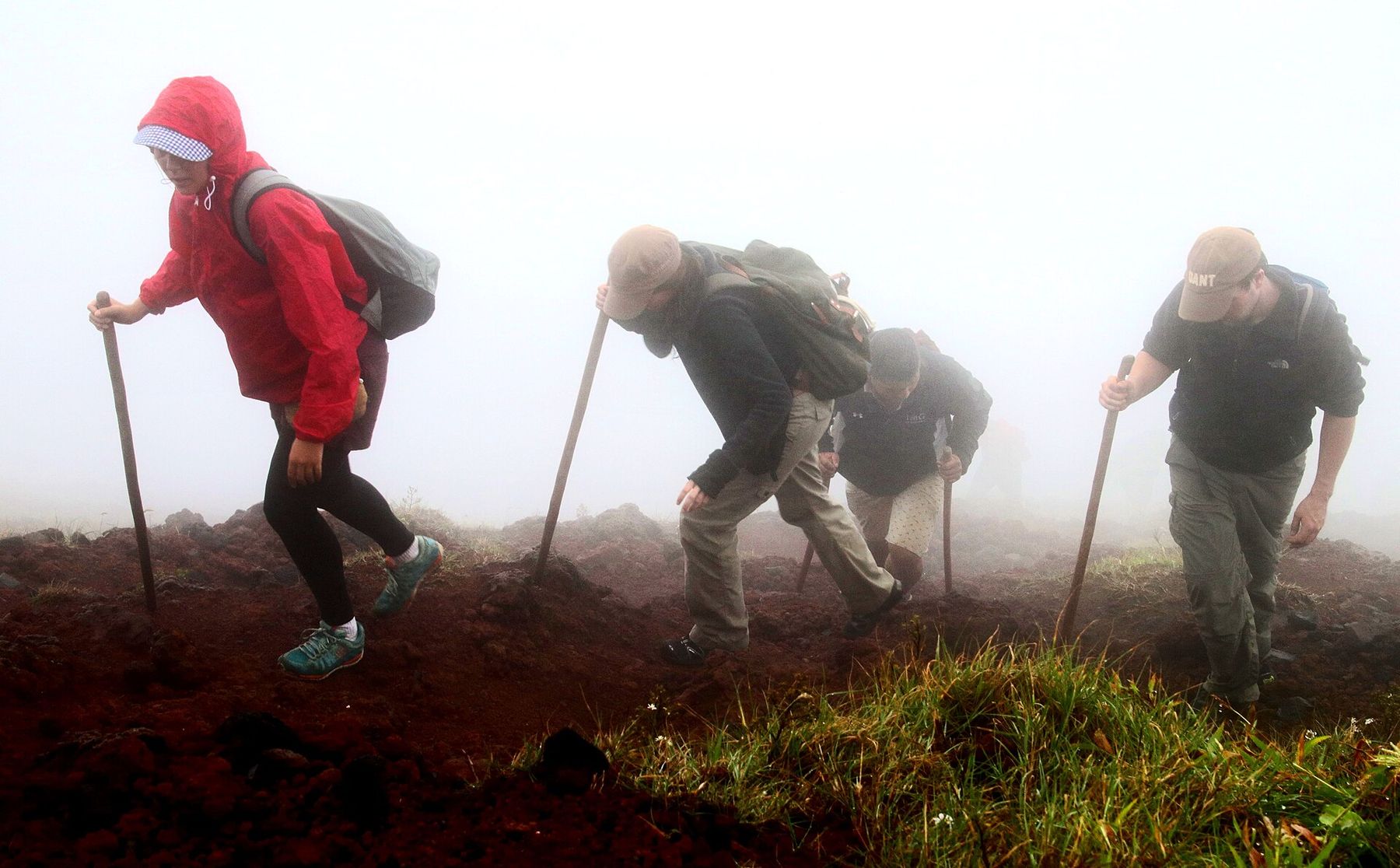
The volcanoes stand in a line here, like a spine along the Pacific coast. We climb them one by one: over loose ash where every step slides half a step back, over hard lava fields barely a few decades old, through dry forest where the trees have dropped their leaves by February. At the top you stand on the rim of a crater that smokes, with the smell of sulphur in your clothes and a view across the lake to the next cone. Six to eight hours a day, with a pack of fifteen to twenty kilos, because a day of water weighs the most here.
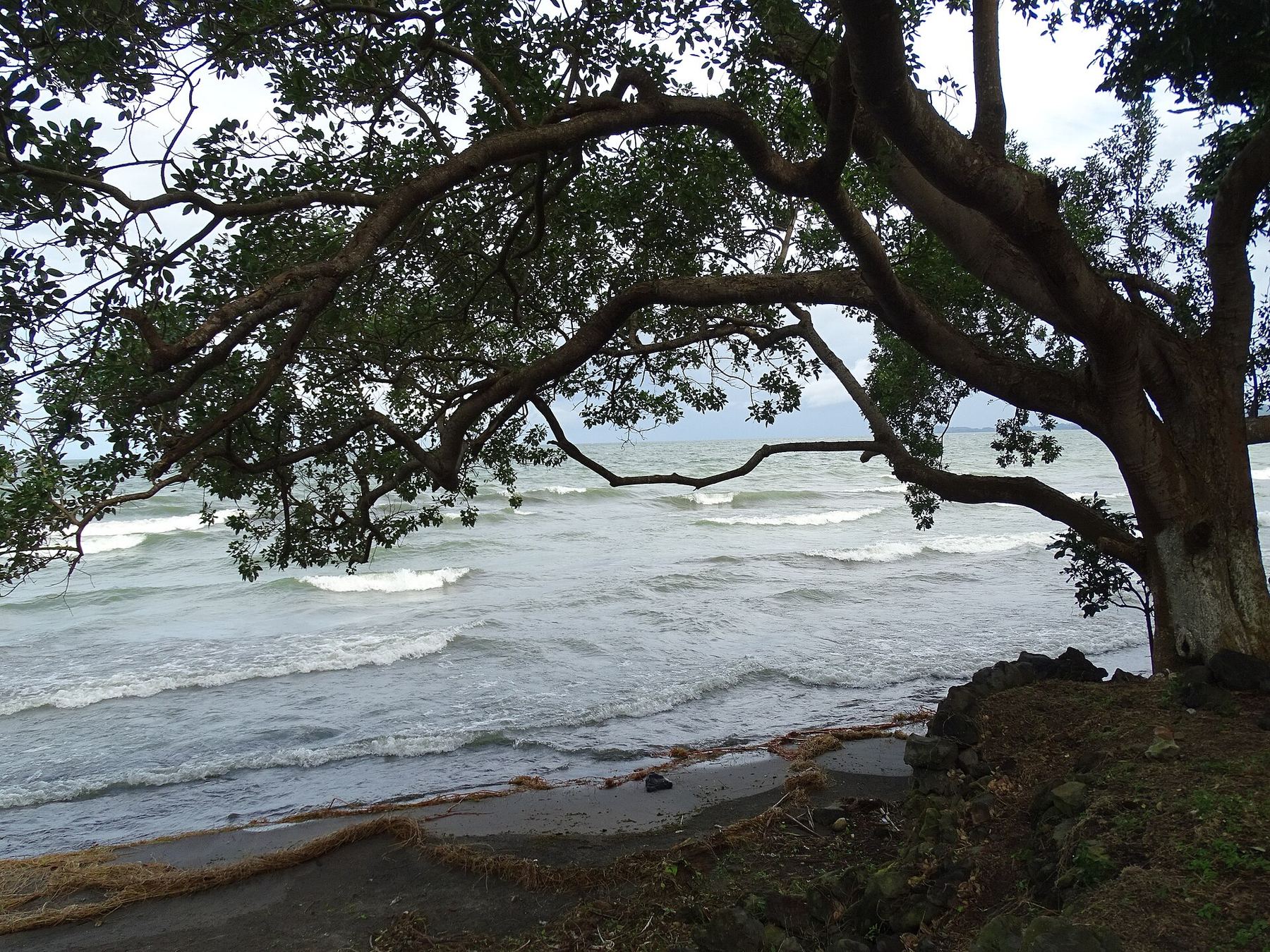
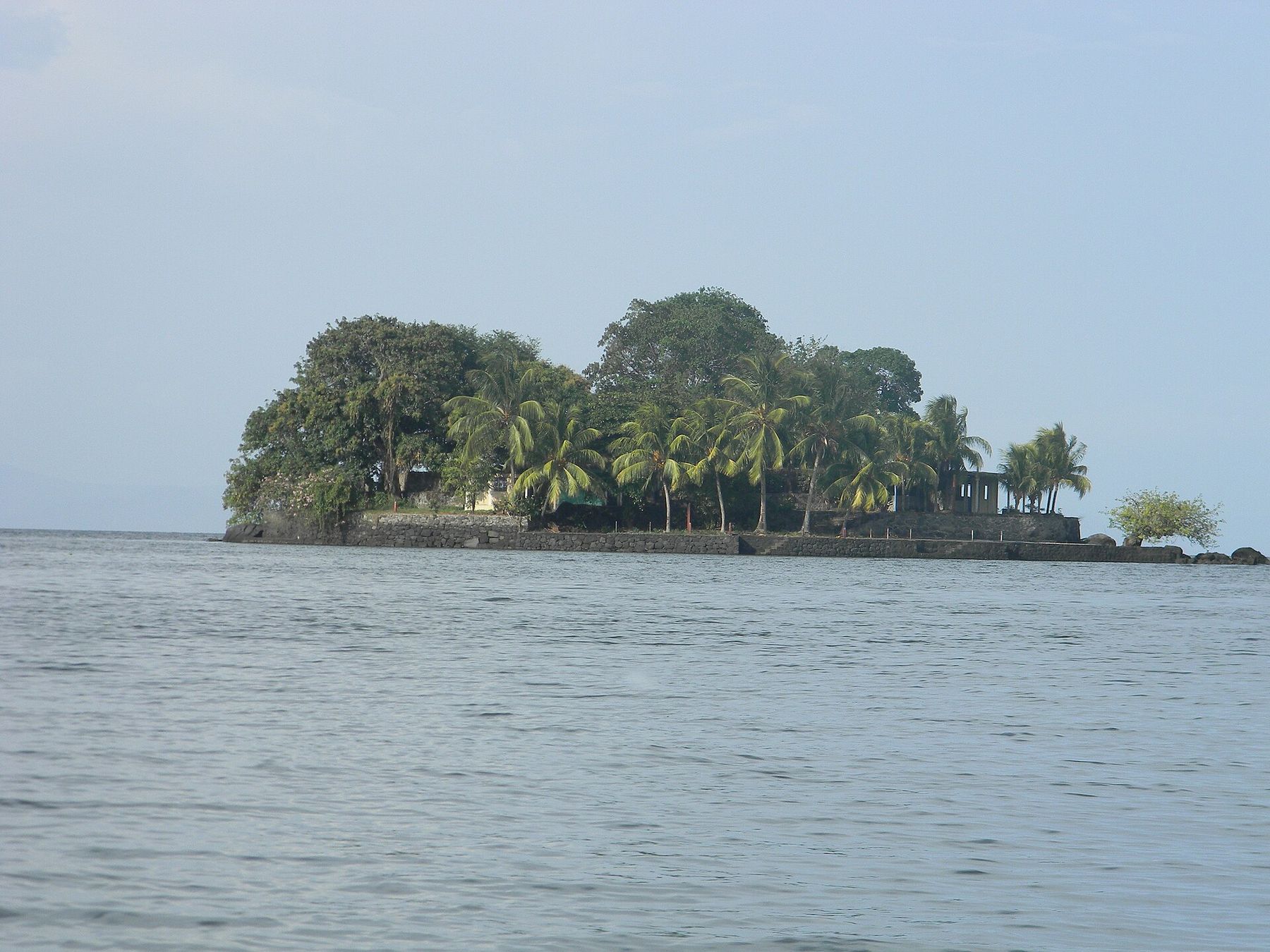
The lake is so big you cannot see the far shore and the swell is like at sea. We cross it by kayak and by boat, to an island that itself consists of two volcanoes: one dead and overgrown right into the crater, the other still active and bare. On the water you feel the wind that picks up every afternoon, so we leave early, while the lake still lies flat as a mirror. You learn to read the swell, judge the wind and decide when to stay ashore.
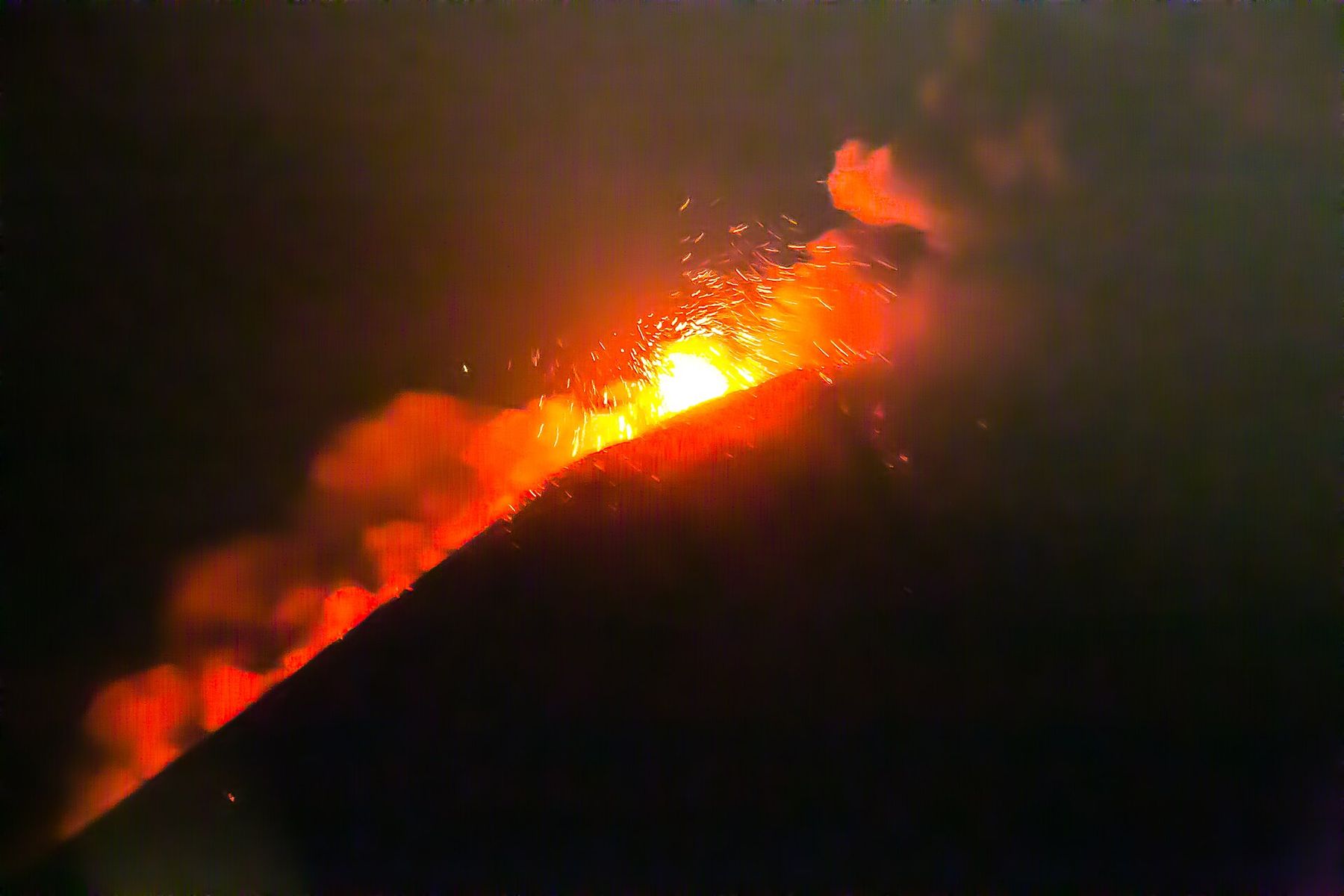
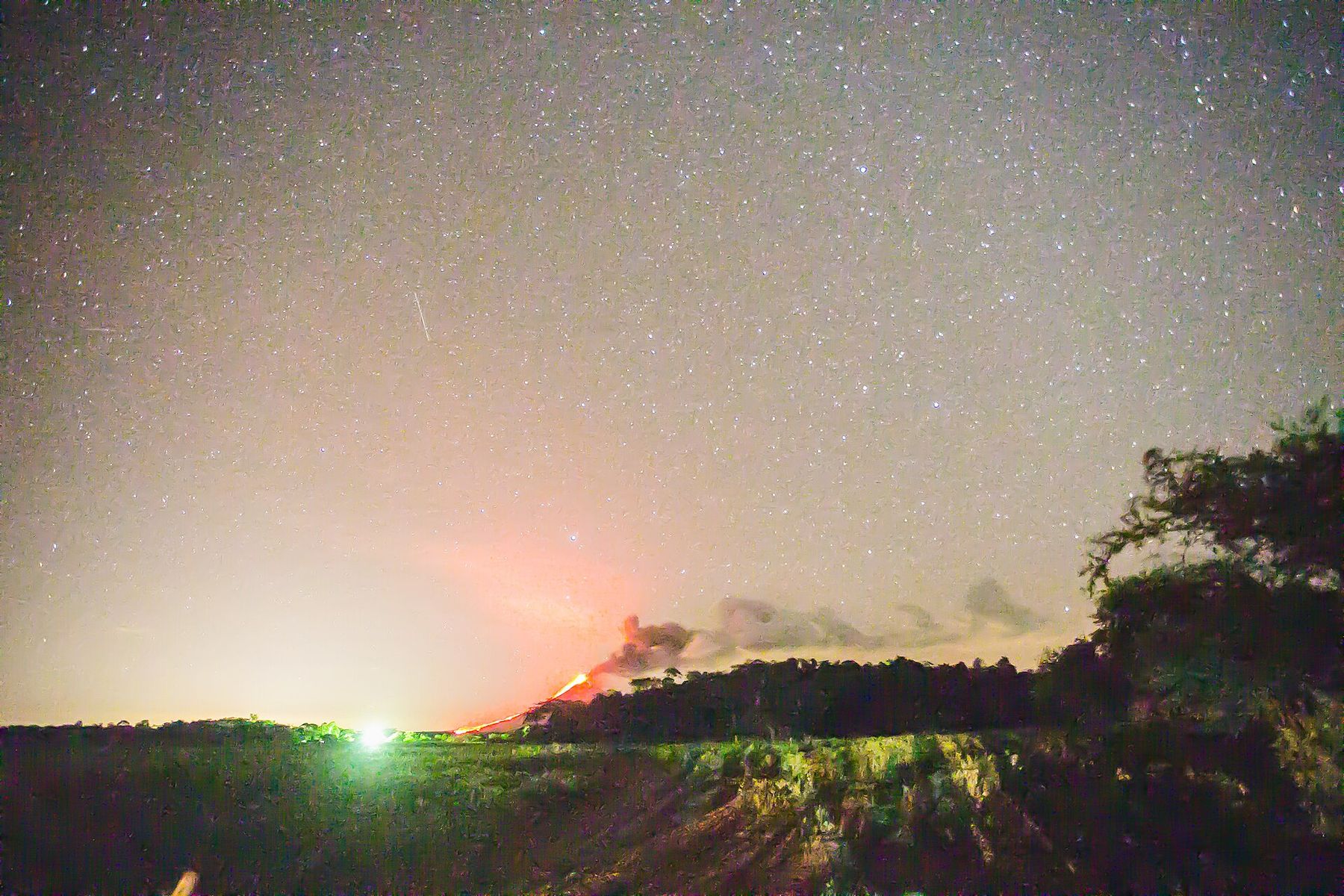
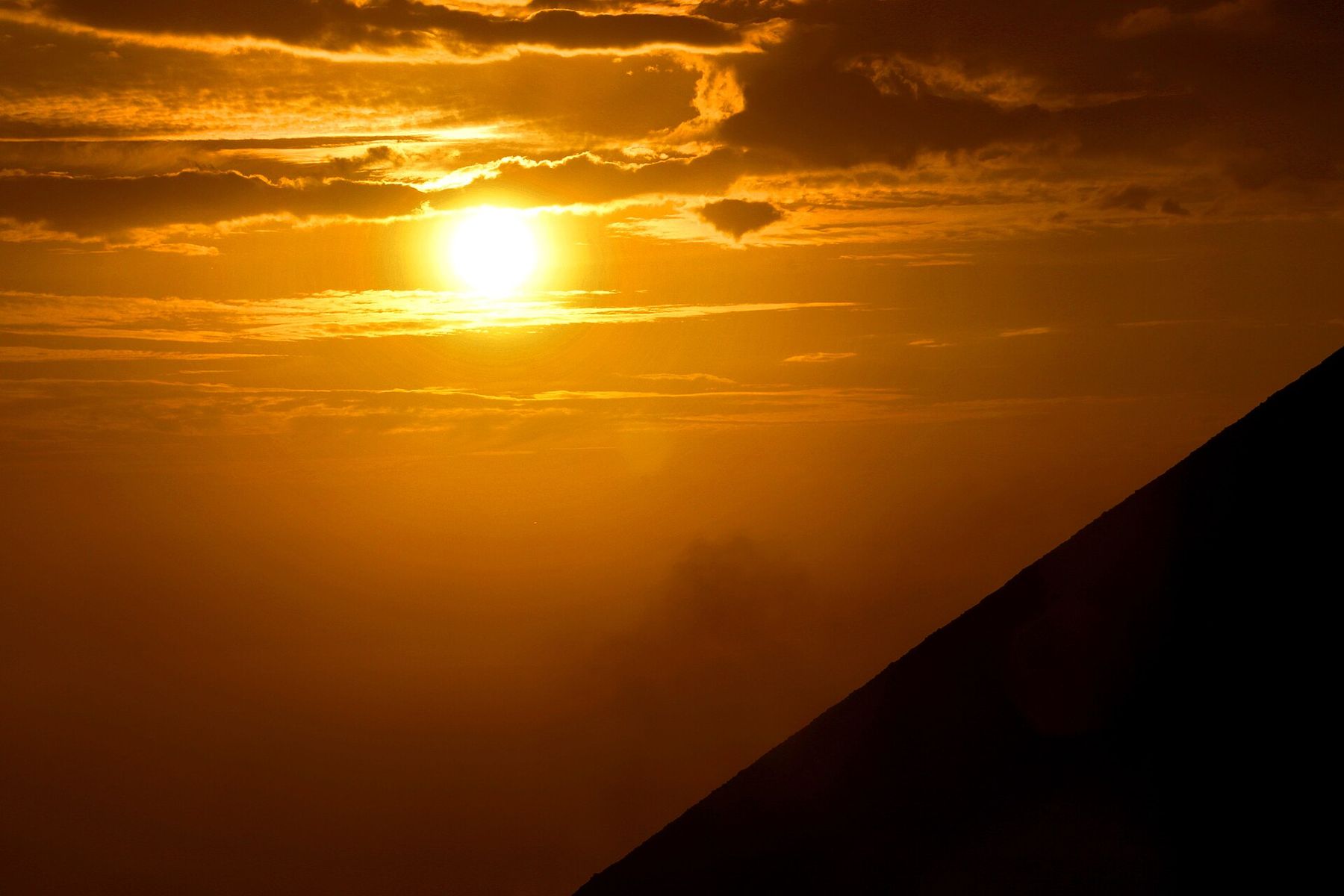
On one of the active volcanoes we pitch camp on the rim of the crater. When it gets dark, the smoke turns red from below: a lava lake, tens of metres beneath you, that you hear bubbling before you see it. You sleep with that sound, wake up to the smell of sulphur and watch the sun rise over a row of cones in the distance. It is the night everyone talks about afterwards.
We deliberately choose February: the heart of the dry season. The trails are dry, the air is clear enough to see the next crater rim from the one you are standing on, and the nights cool down to around fifteen degrees, just enough to sleep well on the slope. By day the mercury climbs above thirty.
The story of
this expedition
From Brussels you fly to Central America and drive on to the foot of the volcanic chain. There the asphalt ends and the dry forest begins. The first cone stands in front of you, the next one behind it, and so on all the way to the lake. From then on we move on our own strength: on foot over loose ash to crater rims that still smoke, by kayak across a lake with a swell like at sea, and one night on the slope with a lava lake beneath you.
The volcanoes stand in a line here, like a spine along the Pacific coast. We climb them one by one: over loose ash where every step slides half a step back, over hard lava fields barely a few decades old, through dry forest where the trees have dropped their leaves by February. At the top you stand on the rim of a crater that smokes, with the smell of sulphur in your clothes and a view across the lake to the next cone. Six to eight hours a day, with a pack of fifteen to twenty kilos, because a day of water weighs the most here.
The lake is so big you cannot see the far shore and the swell is like at sea. We cross it by kayak and by boat, to an island that itself consists of two volcanoes: one dead and overgrown right into the crater, the other still active and bare. On the water you feel the wind that picks up every afternoon, so we leave early, while the lake still lies flat as a mirror. You learn to read the swell, judge the wind and decide when to stay ashore.
On one of the active volcanoes we pitch camp on the rim of the crater. When it gets dark, the smoke turns red from below: a lava lake, tens of metres beneath you, that you hear bubbling before you see it. You sleep with that sound, wake up to the smell of sulphur and watch the sun rise over a row of cones in the distance. It is the night everyone talks about afterwards.
We deliberately choose February: the heart of the dry season. The trails are dry, the air is clear enough to see the next crater rim from the one you are standing on, and the nights cool down to around fifteen degrees, just enough to sleep well on the slope. By day the mercury climbs above thirty.
Self-sufficient,
but never alone
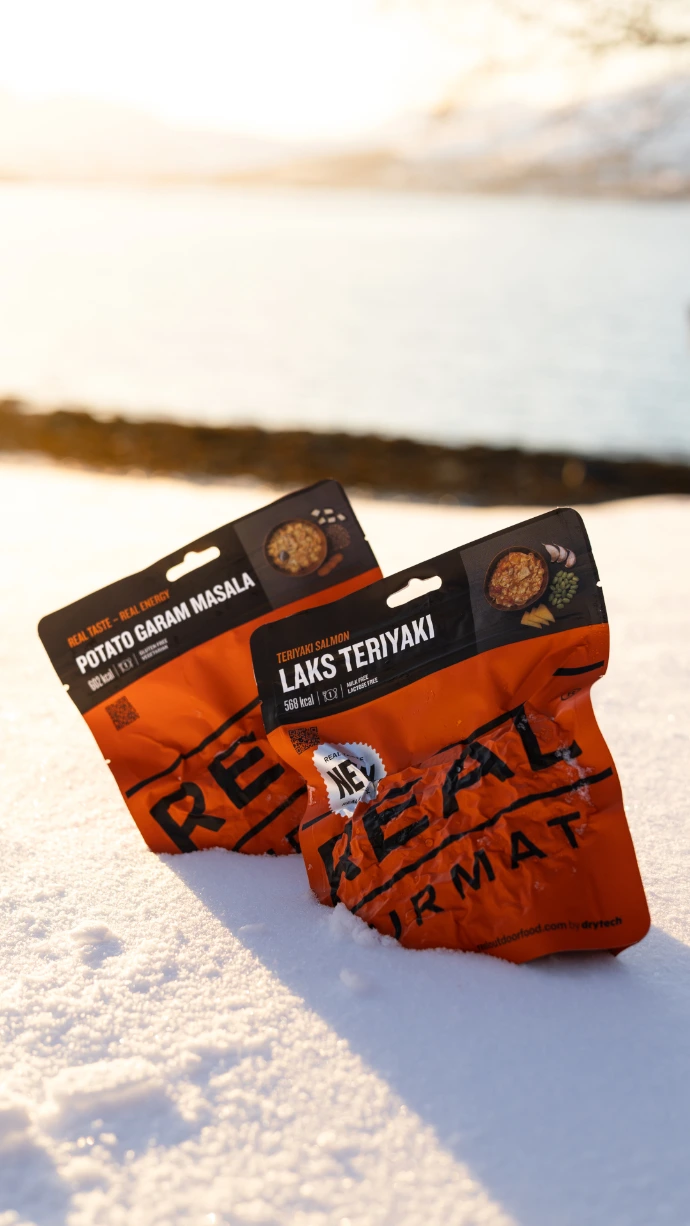
As soon as we leave the last road behind, we are off grid. We filter water from streams and springs, cook our own expedition food on the stove and sleep in tents where the terrain allows it: on the slope, on the shore of the lake, on the rim of a crater.
You learn to climb a volcano slope in the heat, steer a kayak on a lake with a swell and choose a camp on warm ground, guided by an experienced X Guide you meet long before departure, during the preparation programme.
Safety & guidance
Safety is the foundation of every Element X expedition. Our X Guides are professionally trained, hold WFR certificates and have years of experience in extreme conditions.
Elke expeditie beschikt over satelliettelefoons, GPS-tracking, veiligheidsprocedures, evacuatieplan en lokale support in Nicaragua.
Before departure we also carry out a thorough risk analysis and prepare everything down to the last detail.
Guided by real expedition leaders.
You step into nature, away from the
beaten track, but always with the certainty of experienced guidance
and safety first.
Safety & guidance
Safety is the foundation of every Element X expedition. Our X Guides are professionally trained, hold
WFR certificates and have
years of experience in extreme conditions.
Elke expeditie beschikt over satelliettelefoons, GPS-tracking, duidelijke veiligheidsprocedures, een uitgewerkt evacuatieplan en lokale support in Nicaragua.
Before departure we also carry out a thorough risk analysis and prepare everything down to the last detail.
Self-sufficient,
but never alone
As soon as we leave the last road behind, we are off grid. We filter water from streams and springs, cook our own expedition food on the stove and sleep in tents where the terrain allows it: on the slope, on the shore of the lake, on the rim of a crater.
You learn to climb a volcano slope in the heat, steer a kayak on a lake with a swell and choose a camp on warm ground, guided by an experienced X Guide you meet long before departure, during the preparation programme.
We let no one step into the unknown unprepared.
An expedition of this calibre starts months in advance. The preparation programme consists of an individual phase and a group phase.
Individual phase
Starts immediately after registration. You receive an inspiration pack with practical tips, insights and exercises to start moving like an expedition member. You gather your expedition gear using the packing list (do not buy anything yet: bring what you already have to the kick off). And you share your medical information, because the best preparation is a plan for when things go wrong.
Group phase
Starts 3 to 6 months before departure with the kick off: a full day on which you meet your team, taste the expedition atmosphere and take the first steps as a group. There we plan the follow-up moments together and the WhatsApp group starts. Training includes, among other things: getting to know the group and roles, physical screening and analysis, a personalised training schedule, technical and resilience training, gear, nutrition and sleep setup, and a final check.
Accredited service provider for the KMO-portefeuille
To help entrepreneurs and KMO leaders grow as much as possible, a leadership programme/training is linked to this expedition, which closely aligns with the adventure. This programme falls under the theme Business strategy and is eligible for subsidy via the KMO-portefeuille.
As an entrepreneur, you can receive up to 30% subsidy on the training costs of this programme. Important (!): only the training itself is eligible. Travel, accommodation, and expedition costs are not covered by the subsidy.
Accredited service provider for the KMO-portefeuille
To help entrepreneurs and KMO leaders grow as much as possible, a leadership programme/training is linked to this expedition, which closely aligns with the adventure. This programme falls under the theme Business strategy and is eligible for subsidy via the KMO-portefeuille.
As an entrepreneur, you can receive up to 30% subsidy on the training costs of this programme. Important (!): only the training itself is eligible. Travel, accommodation, and expedition costs are not covered by the subsidy.
As seen in


Imagine: a crater rim where the ground is warm beneath your tent, a lava lake that turns the whole camp red at night, an island of two volcanoes rising out of the lake as you paddle towards it. Thirty degrees and dust by day, fifteen degrees and stars to the horizon in the evening.
During Expedition Nicaragua you enter a world where the earth still moves: smoke from the ground, ash under your boots, a lake that behaves like a sea. Days on end without signal do something to your head. You come back with less noise, with a group you know inside out and with a sharper picture of what you can handle when it gets hot, steep and dusty.
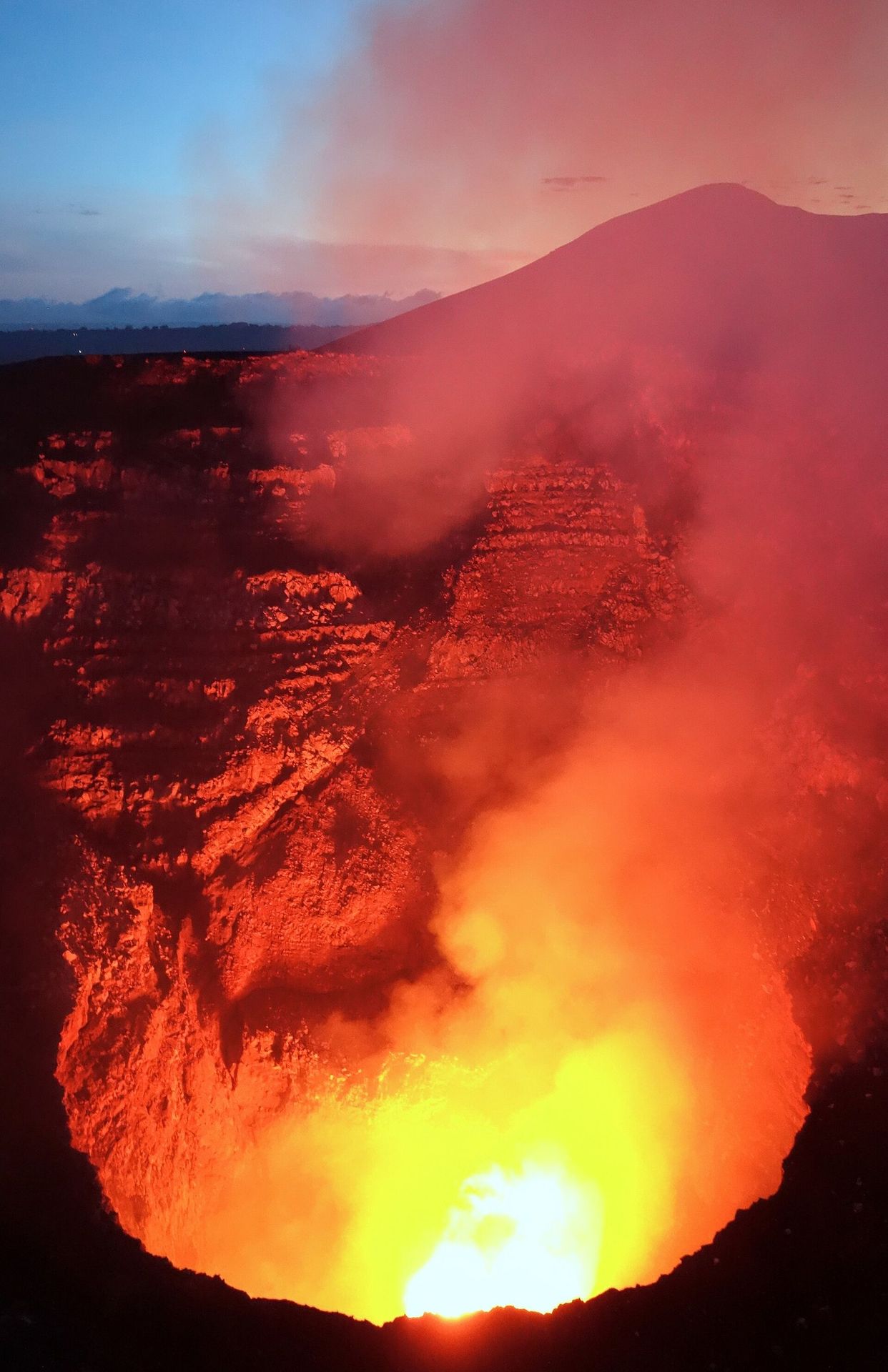
Imagine: a crater rim where the ground is warm beneath your tent, a lava lake that turns the whole camp red at night, an island of two volcanoes rising out of the lake as you paddle towards it. Thirty degrees and dust by day, fifteen degrees and stars to the horizon in the evening.
During Expedition Nicaragua you enter a world where the earth still moves: smoke from the ground, ash under your boots, a lake that behaves like a sea. Days on end without signal do something to your head. You come back with less noise, with a group you know inside out and with a sharper picture of what you can handle when it gets hot, steep and dusty.
Frequently asked questions
No. You do not need to be a top athlete. Through our preparation programme (screening, training schedule and targeted training) we build your level up to expedition level in 3 to 6 months.
Very safe. We work with WFR-certified expedition leaders, satellite communication, evacuation plans and clearly outlined safety protocols.
The full expedition programme, gear, workshops, guidance, all local costs and meals are included, plus the full 3 to 6 month preparation programme. Flights, personal clothing and insurance are not included.
Frequently asked questions
No. You do not need to be a top athlete. Through our preparation programme (screening, training schedule and targeted training) we build your level up to expedition level in 3 to 6 months.
Very safe. We work with WFR-certified expedition leaders, satellite communication, evacuation plans and clearly outlined safety protocols.
The full expedition programme, gear, workshops, guidance, all local costs and meals are included, plus the full 3 to 6 month preparation programme. Flights, personal clothing and insurance are not included.
Ready to sleep on a volcano?
Taking an option is free and without obligation; your spot is only confirmed after the intake.
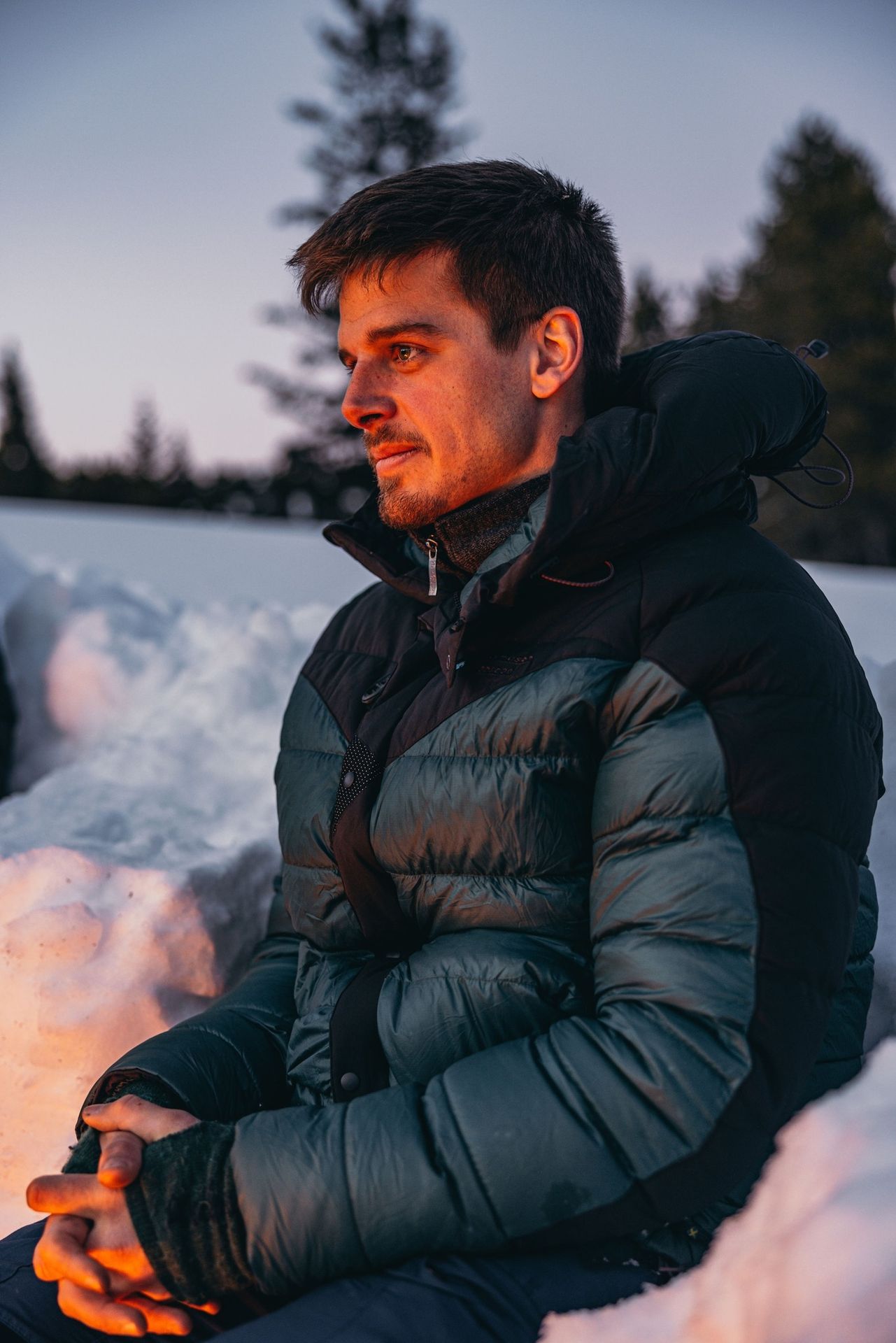
Koen De Leeuw
Expedition leader | Element X
“This is the most alive terrain I know. You smell it, you hear it, the ground is warm. Whoever sleeps on a crater rim here and crosses a lake with a sea swell the next morning knows afterwards how small they are and how much they can still handle.”
SIGN UP FOR
EXPEDITION UPDATES!
Stay one step ahead of the adventure! Sign up
for our updates and receive the latest news and exclusive information about our transformative expeditions in the wilderness.
SIGN UP FOR
EXPEDITION UPDATES!
Stay one step ahead of the adventure! Sign up for our updates and receive the latest news and exclusive information about our transformative expeditions in the wilderness.