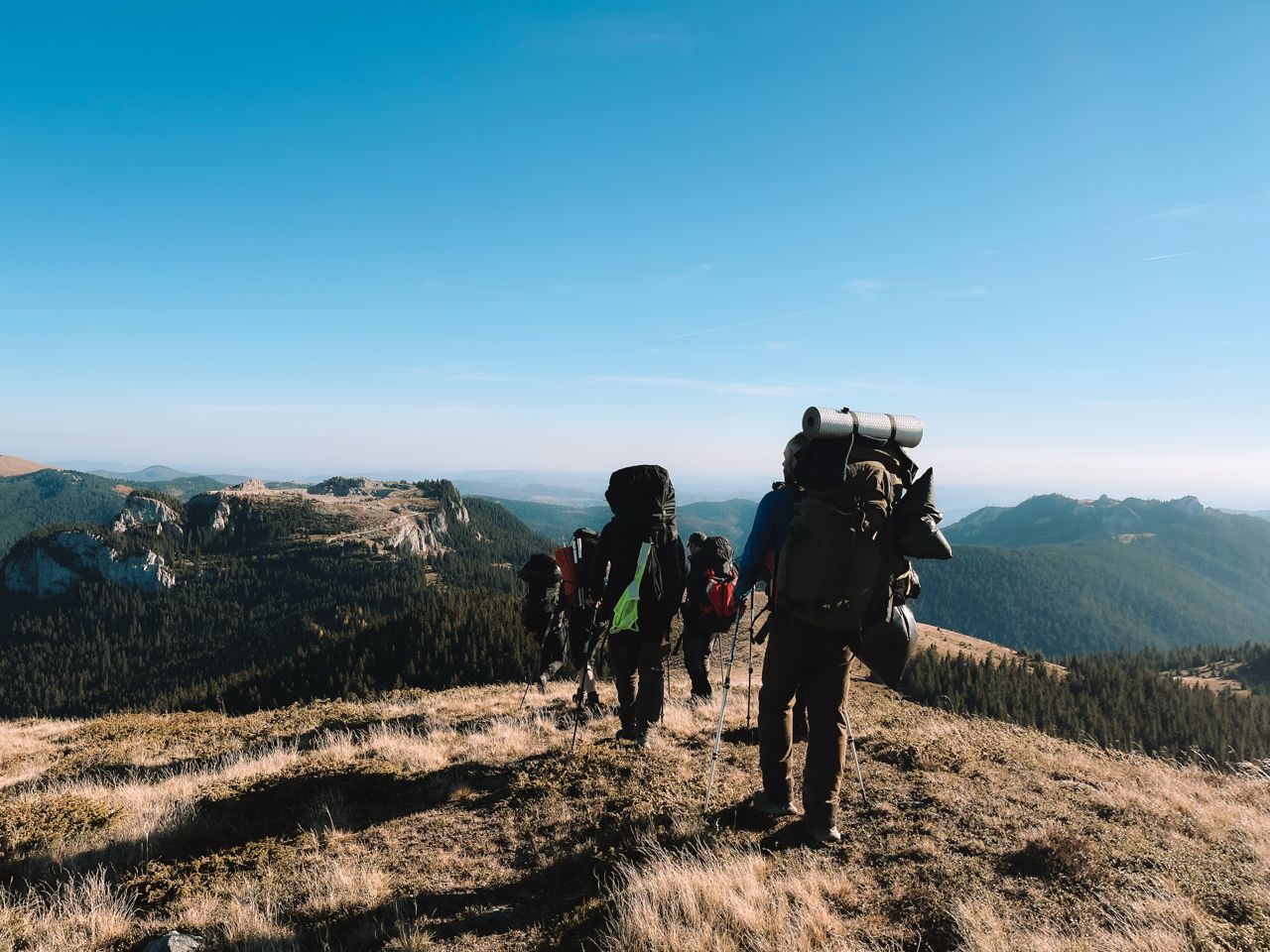

An outdoor leadership training works when you end up in conditions where you really have to lead: deciding with incomplete information, carrying responsibility for a group and bringing people along when everyone is tired. On an expedition in the wilderness that happens day after day, and that is how you see how you lead when things get hard.
This article is about what such an expedition makes visible, how you learn from it along the way, how the programme runs and who it suits.
Why a classic leadership training often stops at insight
Most leadership trainings take place in a meeting room. You get models, do exercises and learn something about your own style. That insight is valuable, but it often stays in your notes. Back at the office you react to a difficult moment the same way as before.
Behaviour only changes when you experience it at the moment it happens. That is hard to organise in a meeting room, because nothing is at stake and everyone knows the exercise ends at five.
What an expedition makes visible
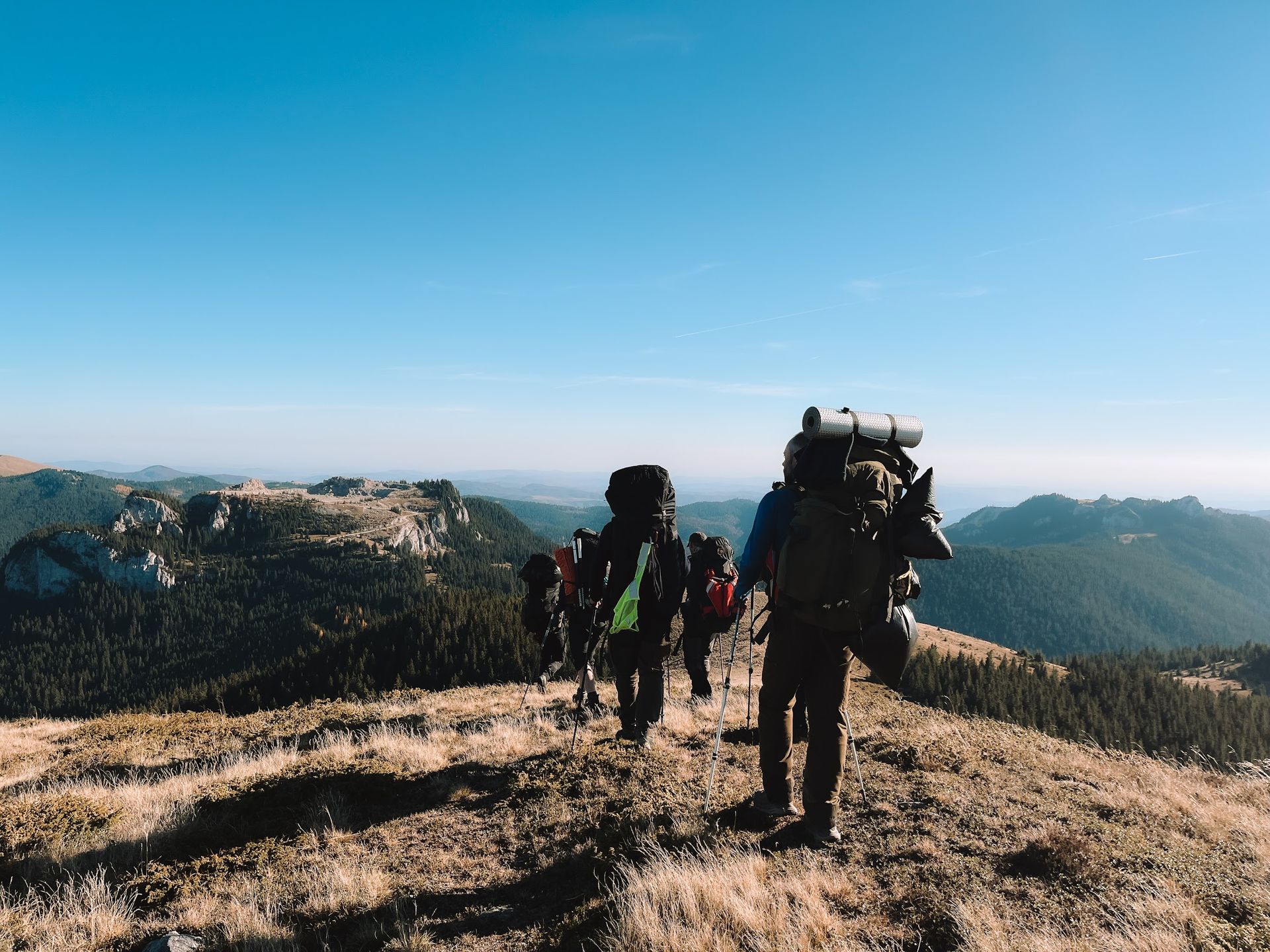
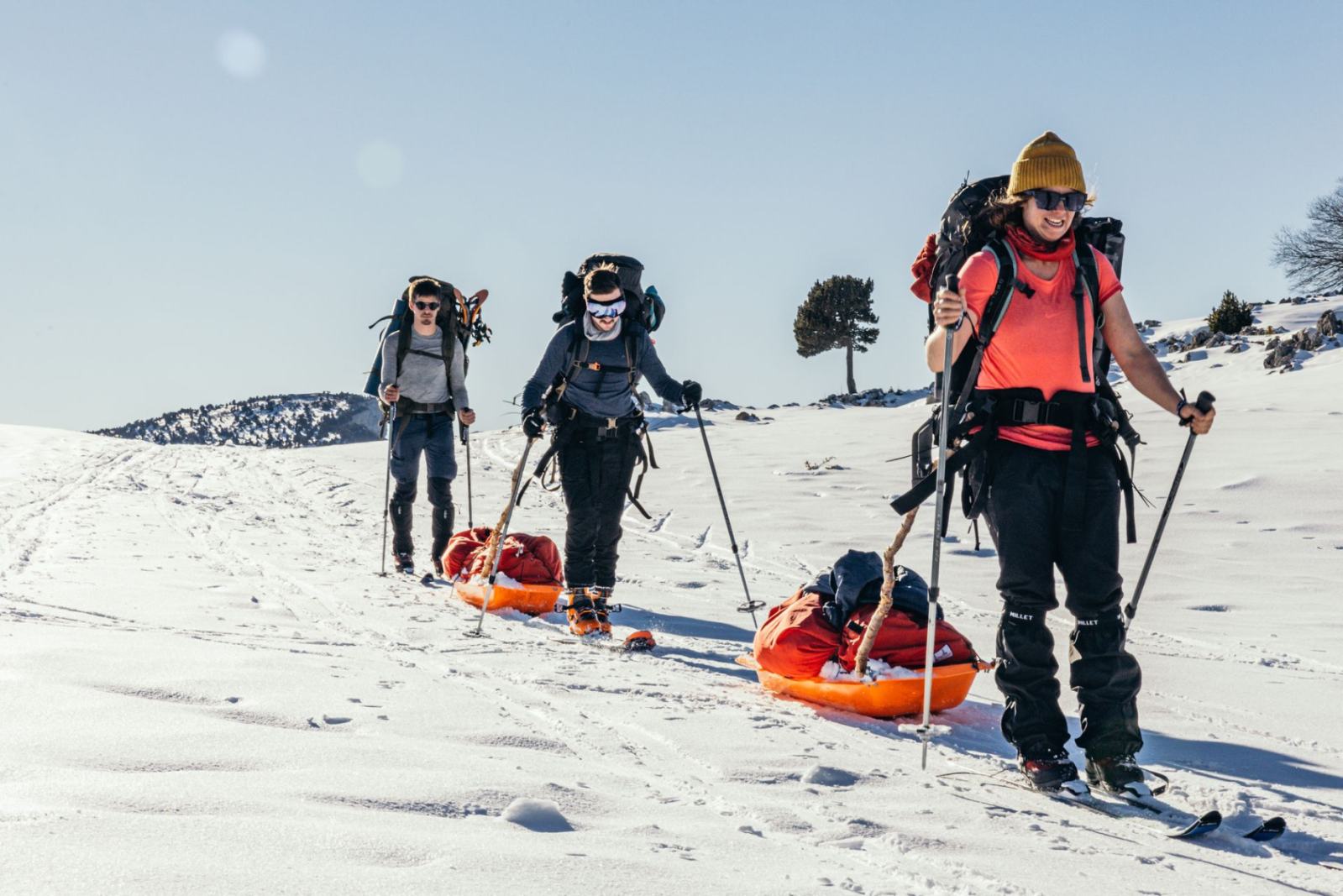
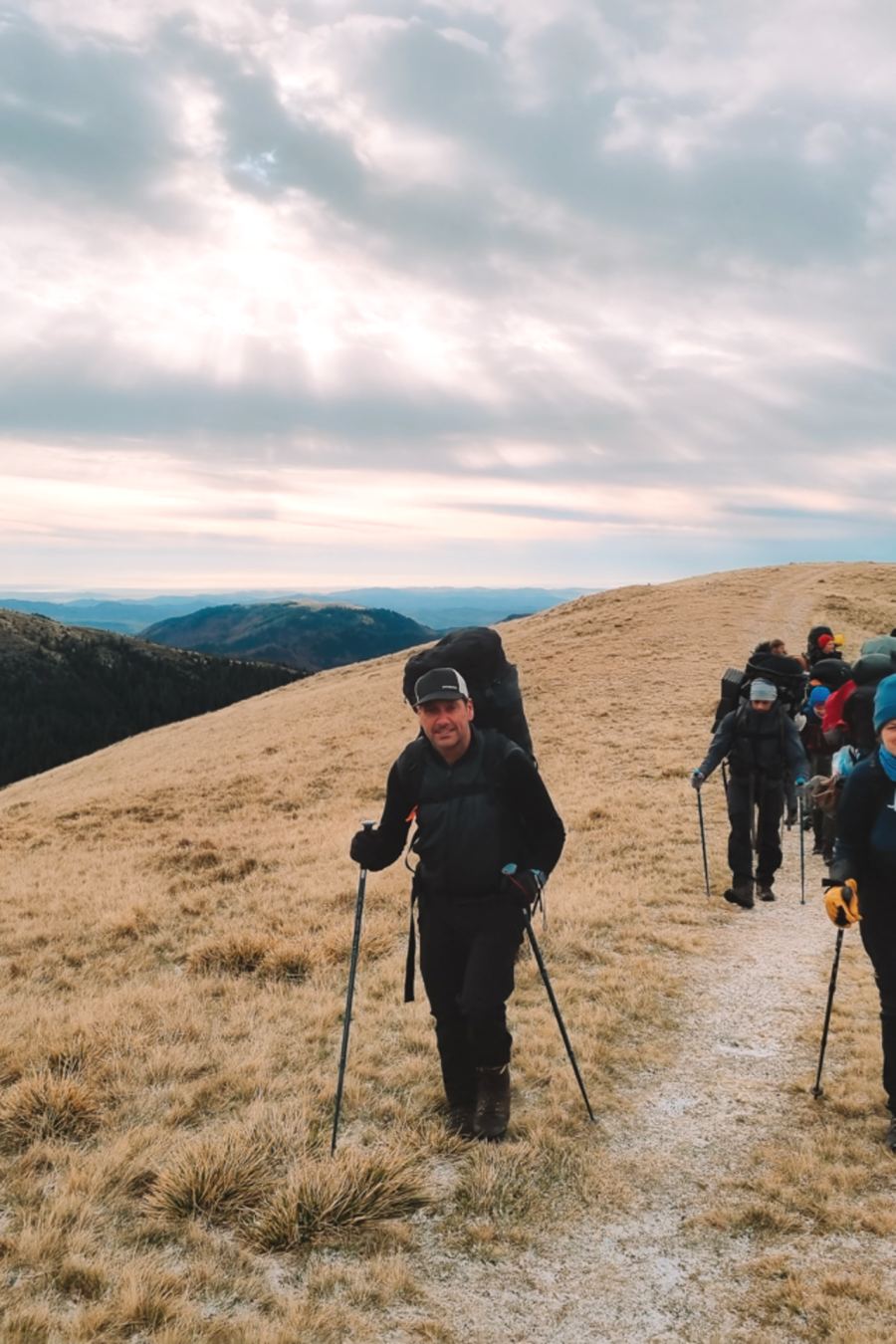
On expedition the things you rely on at the office disappear. There is no title, no agenda and no team that takes over the work. Everyone carries their own rucksack, helps cook and helps set up camp.
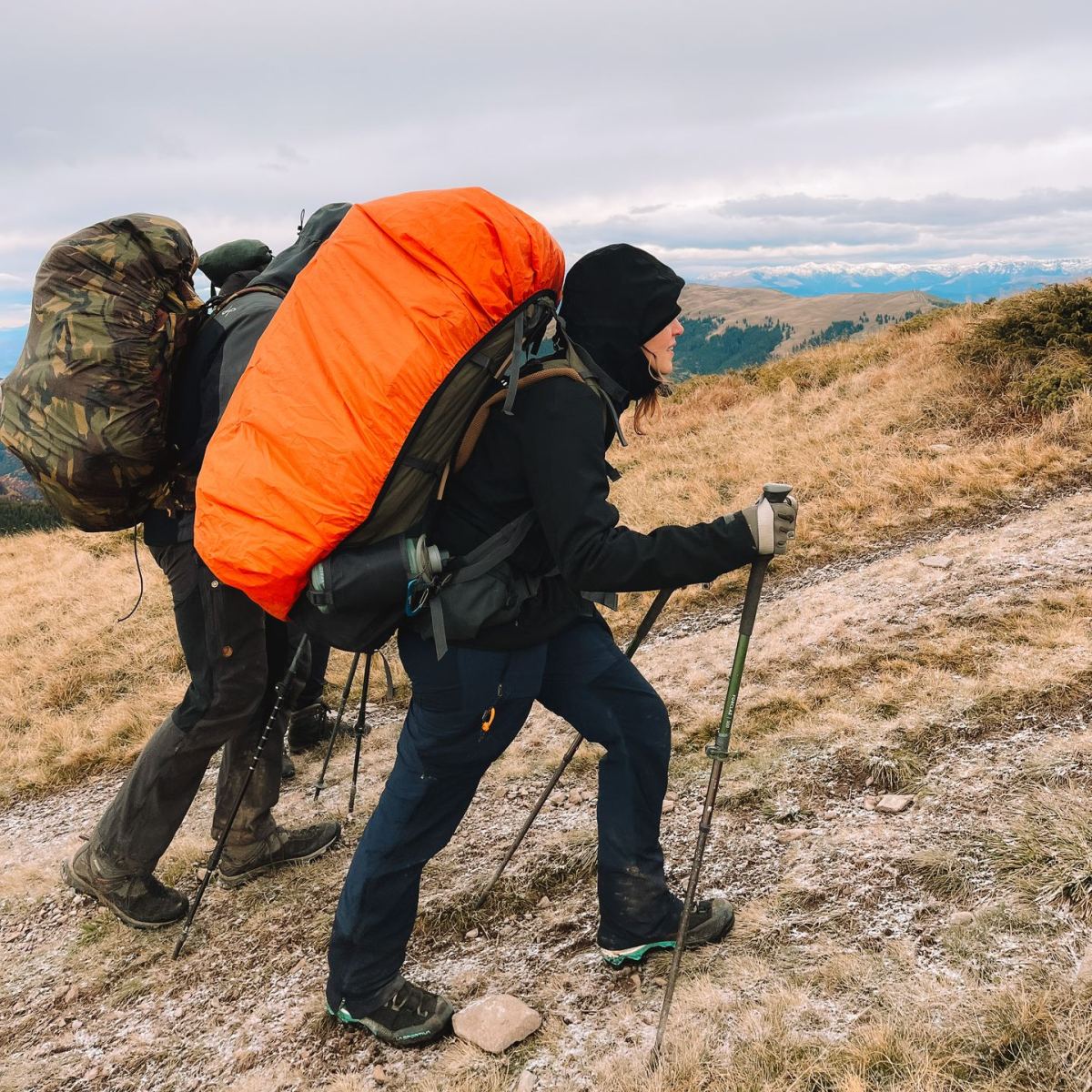
After a few days terrain, fatigue and uncertainty start to play a part. Then you see how you react yourself:
- how you decide when the weather turns and the route proves longer than planned
- whether you force the pace or adjust it to whoever is struggling
- whether you take responsibility or wait until someone else does
- how you bring others along when nobody feels like it anymore
Those are the same reflexes you have at the office. Outside you just see them much faster and much more clearly.
Learning in the moment
An expedition alone does not make a leadership training. The difference lies in the guidance. Along the way the coach and the expedition leaders observe how the group decides and works together, and after a difficult moment you look back together. What happened, who took which role, and what would you do differently next time?
Because that conversation takes place while the experience is still fresh, it sticks. You do not have to derive it from a theory, because you have just lived it yourself.
Leadership coach Fred Van de Walle guides that process. He is a certified Management Drives trainer and founder of ArrowHead Leadership in Switzerland, with 25 years of international experience in leadership development. Expedition leader Koen De Leeuw, paratrooper and Wilderness First Responder, leads the group in the field.
A decision in the field has immediate consequences. Choose the wrong ridge and you walk an hour back with the whole group. You feel that in your legs, and that is why you remember it.
Koen De Leeuw, expedition leader
How a leadership programme runs
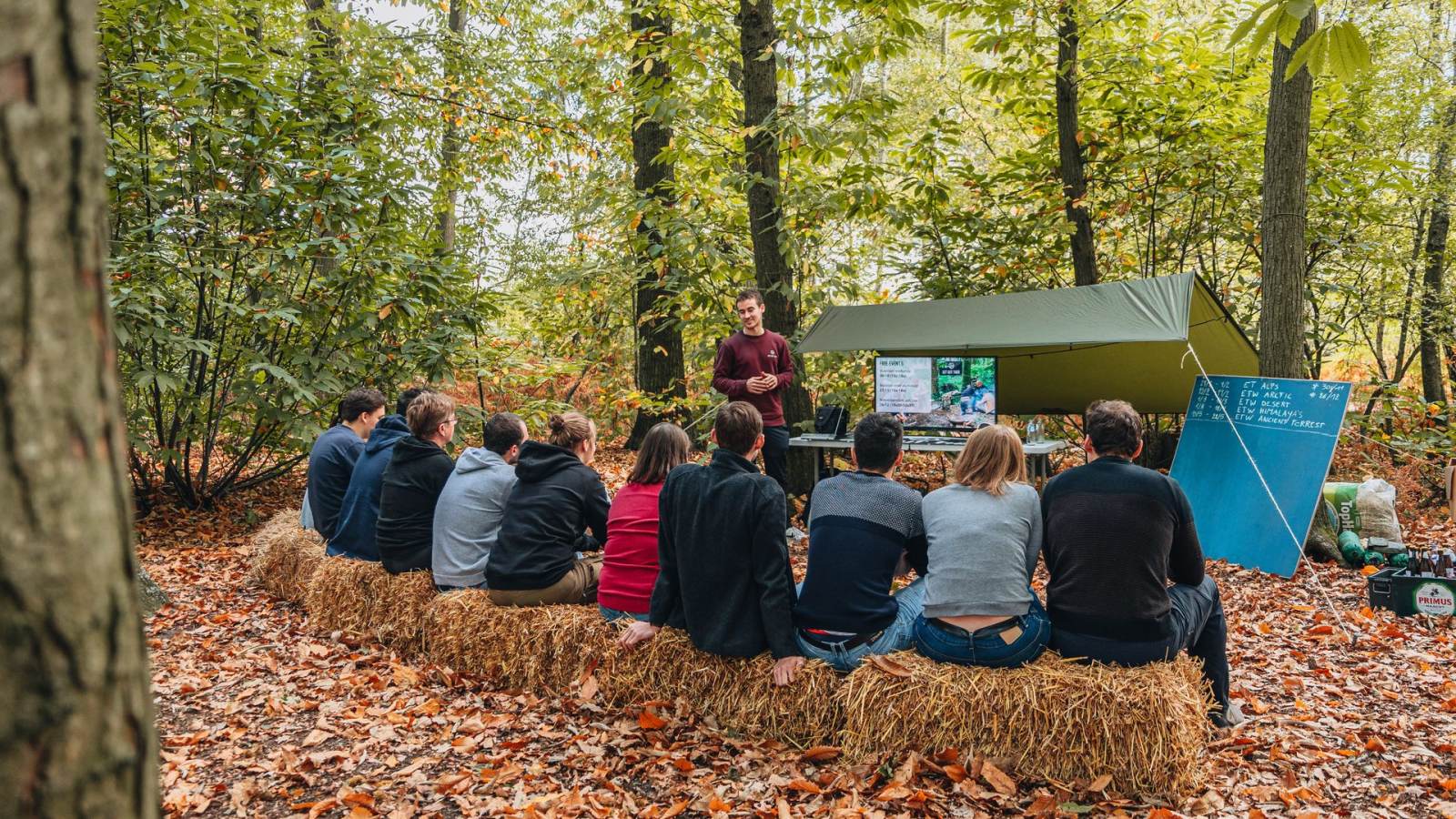
The programme has five steps. The expedition is the core, the steps before and after make sure what you learn also lasts.
- Introduction. A conversation about you or your team, your goals and where things are stuck today.
- Team analysis. Mapping how you decide and work together today, and what drives each team member.
- Kick off. At Kasteel Borgwal in Gavere the group meets each other and the expedition leaders, with a first team assignment.
- The expedition. Off grid, in a small group, with moments to look back along the way.
- Integration. Back home you translate what you saw to your own work and your team.
Who is an outdoor leadership training for?
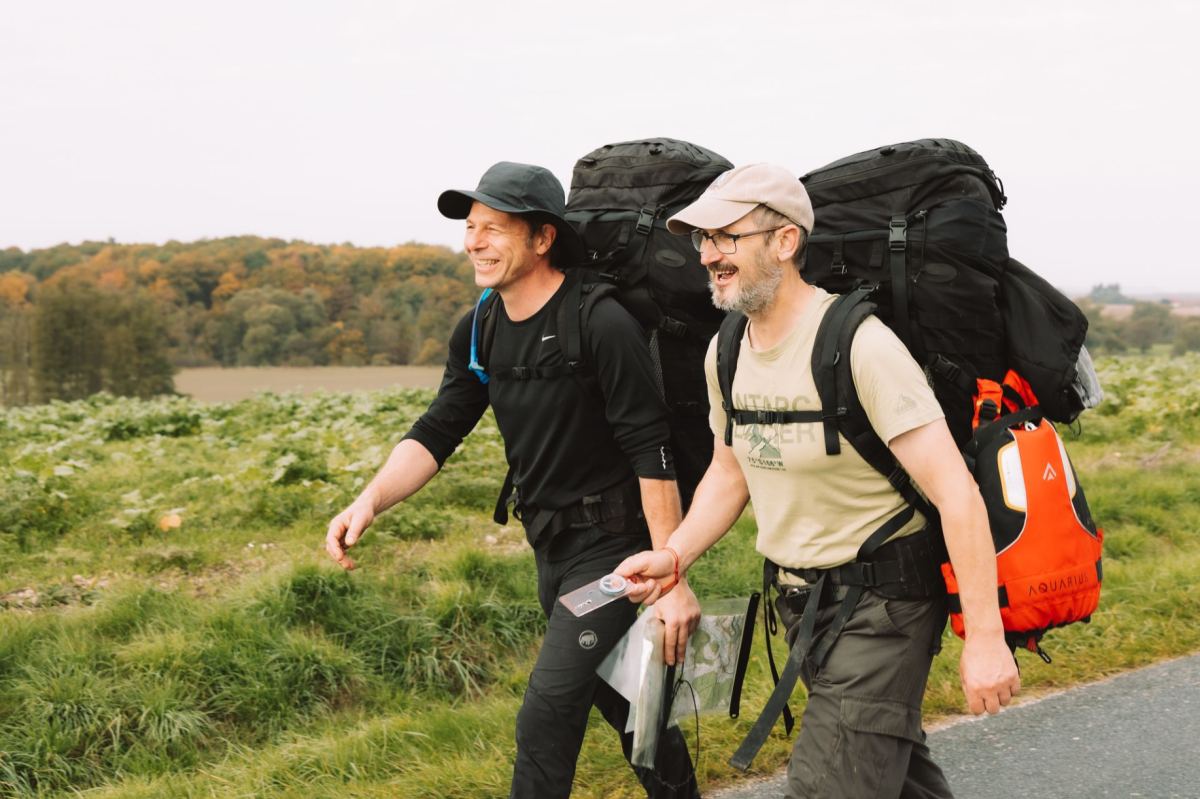
There are three forms, depending on where you stand.
- As an entrepreneur you head into the wilderness with a small group of entrepreneurs looking for the same thing. You join an open expedition, such as Kyrgyzstan, Iceland or Chimborazo.
- As an executive or manager you lead teams in an environment that changes fast, and you want to get sharper at how you do that.
- With your leadership team you want to decide better together. Then you leave together, as a team. You can read more about that in team building for a management team.
How hard is such an expedition?
That depends on the expedition. Element X works with five levels, from Experience to Xtreme. The Untamed Adventure Weekend in the French Ardennes is at level Explore (2 out of 5) and lasts three days. Kyrgyzstan and Iceland range from Adventure to Challenge (3 to 4 out of 5) and last ten days. You do not need to be a top athlete, but you do need to be motivated.
Every participant goes through the preparation programme, which starts three to six months before departure. At the kick off you do physical tests and receive training advice. After that there are monthly group trainings and a technical training for your destination.
What participants take home
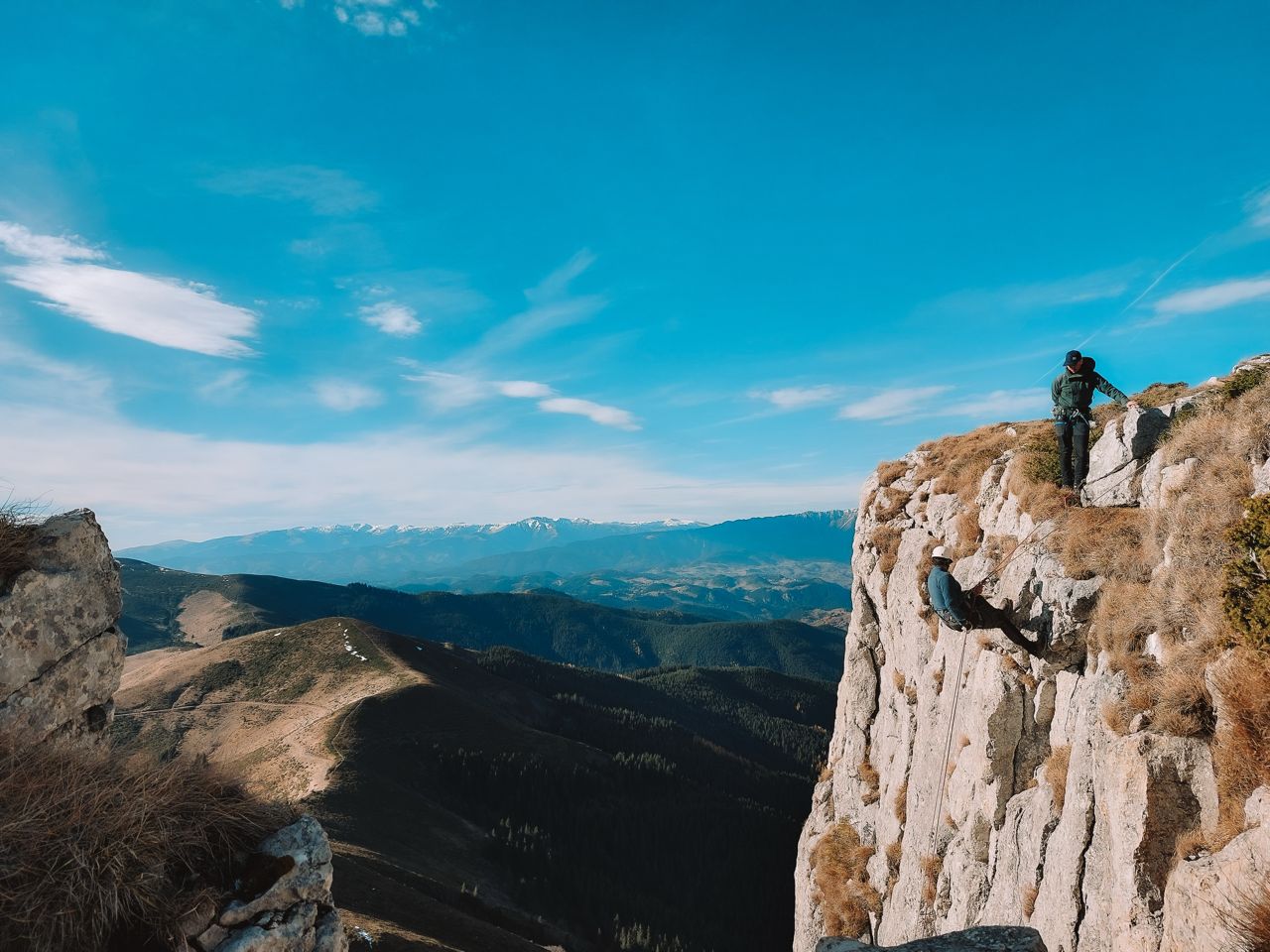
What leaders notice after an expedition is usually very concrete: clearer decisions, more calm and focus under pressure, a better sense of how you react yourself and an easier time bringing others along.
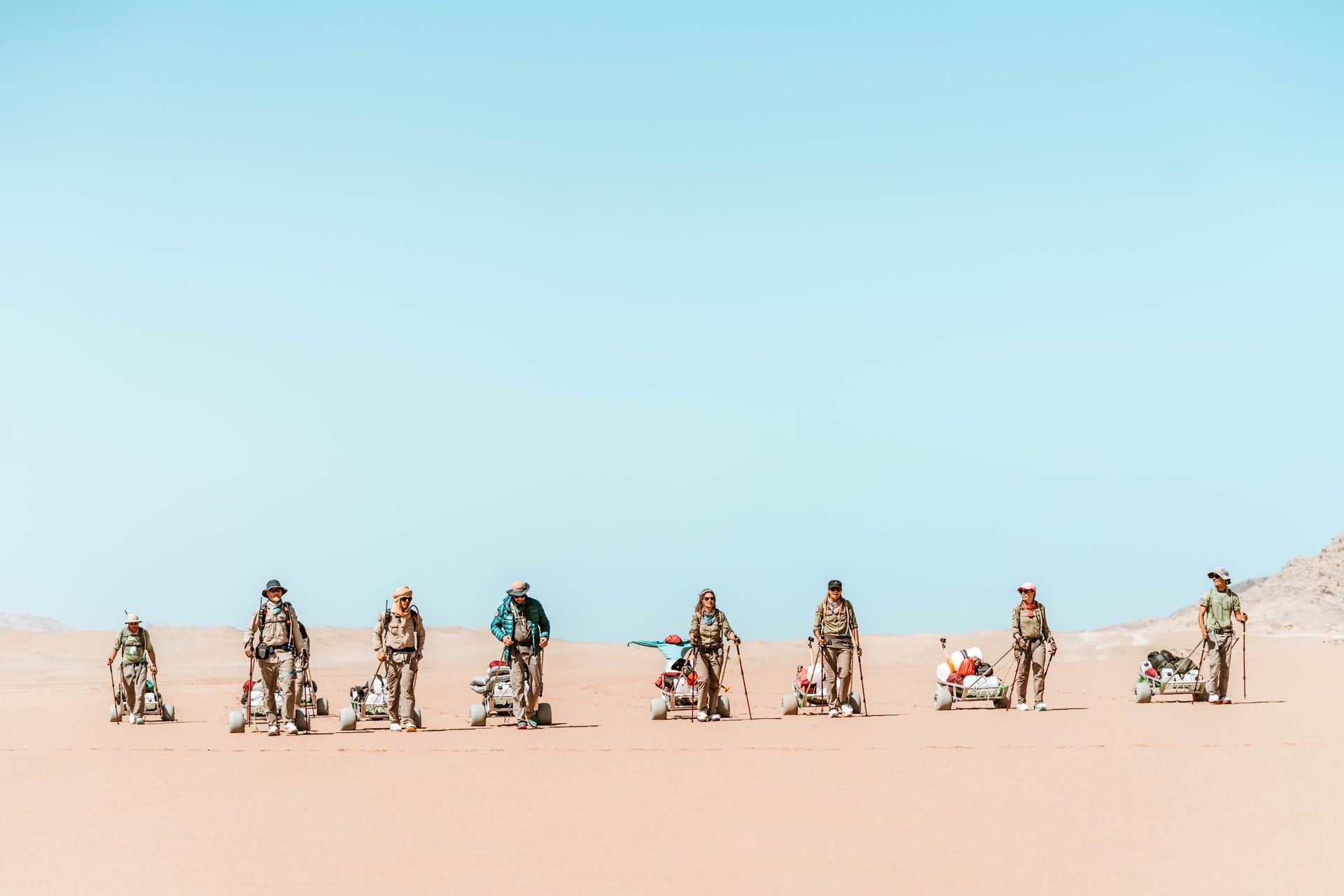
Frederik Taleman, founder and CEO of Hive CPQ, joined the Sahara crossing:
In the past ten years there was not a single day I did not think about my company. During the demanding Sahara crossing I could finally switch my head off completely. I learned to put things in perspective again. Back home I felt the impact right away: more clarity, better sleep and more calm.
Frederik Taleman, Founder and CEO, Hive CPQ
Frequently asked questions
What is an outdoor leadership training?
A leadership training that takes place outdoors instead of in a meeting room. At Element X that is an expedition of several days in the wilderness, with a team analysis beforehand, guidance and moments to look back along the way, and an integration after you return.
Why does an expedition work better than a training in a meeting room?
In nature, routines, titles and hierarchy disappear. Terrain, fatigue and uncertainty show how you decide, carry responsibility and bring others along. Because you look back along the way, you learn at the moment it happens.
Do I need to be very fit?
No, but you do need to be motivated. The level differs per expedition, and through the preparation programme you build your fitness up to what is needed.
Learn more
The approach, the guidance and the expeditions are on the page leadership development in the wilderness. If you want to compare providers of leadership programmes, read which leadership training fits you.